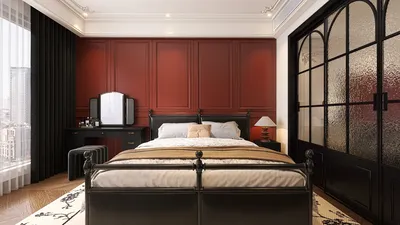


In the last ten years of my career as an interior designer, I’ve observed that the living room has transformed into a versatile gathering place. One recurring trend in contemporary interior design is the daybed. As small spaces require innovative solutions, I find that a daybed can effortlessly convert a living area into a lounge, a guest room, or even a cozy reading corner. In this article, I’ll present 10 of my top daybed ideas for living rooms, combining my personal insights with expert advice and practical recommendations.
1. Streamlined Linen Upholstery
My Perspective: I styled a compact Scandinavian-inspired apartment for a client who desired a peaceful retreat. A linen-covered daybed fit impeccably, enhancing rather than overwhelming the space.
Advantages: Neutral linen fabric harmonizes with virtually any color scheme, maintaining an airy feel; it aligns beautifully with the trends for small living rooms as highlighted by Elle Decor.
Disadvantages: Linen is prone to wrinkling, and lighter shades may need more frequent cleaning to look their best.
Suggestion: Combine it with textured throw pillows in warm neutrals to add depth and interest.
2. Custom Built-In Daybed with Storage
My Perspective: In a narrow townhouse project, we created a wall niche and constructed a daybed equipped with deep drawers beneath, providing essential storage for bedding and games.
Advantages: Serves as hidden storage and optimizes space in smaller apartments while eliminating clutter.
Disadvantages: Built-in options are less mobile and typically require skilled craftsmanship and an upfront investment.
Example: One client paired this design with a minimalist storage solution in their living room to achieve a unified aesthetic.
3. Rattan Frame for a Bohemian Feel
My Perspective: Rattan daybeds bring to mind the airy coastal homes I’ve worked on. They evoke a relaxed, travel-inspired atmosphere even in an urban setting.
Advantages: Lightweight and easy to relocate; it adds natural texture and warmth to the living area; complements plants and woven rugs perfectly.
Disadvantages: Less sturdy than solid wood; cushions may be necessary for prolonged comfort.
4. Daybed Positioned Under a Bay Window
My Perspective: In a renovation, placing a daybed beneath a bay window turned an overlooked corner into a beloved reading spot.
Advantages: Maximizes natural sunlight; perfect for a cozy nook; makes excellent use of unconventional spaces.
Disadvantages: Direct sunlight may fade fabrics; UV-blocking window treatments might be necessary.
5. Sleek Leather Finish
My Perspective: For a downtown loft project, a cognac leather daybed added a touch of sophistication while providing versatile seating.
Advantages: Durable and easy to maintain; develops a lovely patina over time, making it ideal for busy living rooms.
Disadvantages: Can feel cold in winter; noticeable scratches may appear over time.
6. Convertible Daybed with Trundle
My Perspective: This type of setup has been a lifesaver in family playrooms, easily accommodating spontaneous sleepovers with a trundle that rolls out effortlessly.
Advantages: Increases sleeping capacity; perfect for hosting overnight guests without the need for a dedicated guest room.
Disadvantages: Trundle mattresses are generally thinner, making them suitable for occasional rather than daily use.
Case Study: This design integrated seamlessly with an L-shaped living room layout for optimal flow.
7. Modern Metal Frame
My Perspective: Metal-framed daybeds have become popular in my urban projects as their slim silhouettes minimize visual bulk.
Advantages: Sturdy, low maintenance, and ideal for industrial or minimalist themes.
Disadvantages: May feel cold or impersonal without soft furnishings; can squeak with time.
8. Upholstered Sides for Enhanced Comfort
My Perspective: By adding upholstered side panels, I transformed a simple daybed in my client’s condo into the ultimate Netflix lounge.
Advantages: Boosts lounging comfort; visually delineates the seating area.
Disadvantages: Occupies slightly more space; might restrict placement options due to its bulk.
9. Floating Daybed Concept
My Perspective: In one striking design, we suspended a daybed using sturdy, concealed brackets, achieving a floating appearance that’s both minimal and eye-catching.
Advantages: Offers a light, open feel; simplifies cleaning underneath; serves as a great conversation starter.
Disadvantages: Needs solid wall support and professional installation to ensure safety.
Design Note: This approach worked harmoniously with a client’s glass-backed living room wall concept, enhancing spatial openness.
10. Layered Cushions for a Relaxed Atmosphere
My Perspective: I enjoy stacking oversized cushions with varied textures — a simple way to style a daybed that feels inviting and casual.
Advantages: Ideal for lounging and casual gatherings; easily updated with seasonal fabrics.
Disadvantages: Requires regular fluffing; may appear messy if not arranged carefully.
Conclusion
A small living room doesn’t necessitate compromising on style; it’s about making informed design choices. A daybed seamlessly combines functionality with character. According to Architectural Digest, multi-functional furniture is the future of compact living. Which of these ten daybed ideas are you most eager to try in your own space?
Frequently Asked Questions
1. What is the ideal daybed size for a living room? Most designers suggest a twin or slightly smaller option to avoid overwhelming the space, but it ultimately depends on your room's dimensions.
2. Can a daybed substitute for a sofa? Certainly, it’s a great solution, especially in smaller apartments, as it serves both as seating and a sleeping area.
3. How can I style a daybed in a compact living room? Use neutral shades, layered textiles, and maintain a minimal approach with surrounding furniture to preserve an open feel.
4. What type of mattress is best suited for a daybed? A medium-firm twin mattress strikes a good balance between comfort for sitting and occasional sleeping.
5. Are daybeds suitable for nightly sleeping? While they’re fine for short-term guests, standard beds are preferable for everyday sleep, as per the Sleep Foundation's mattress support guidelines.
6. Is it feasible to position a daybed under a window? Absolutely — just remember to protect the fabrics from UV exposure using shades or curtains.
7. What distinguishes a daybed from a chaise lounge? A daybed typically includes a mattress and serves for both seating and sleeping, while a chaise is intended solely for reclining and lounging.
8. Where can I find inspiration for living room layouts featuring daybeds? Explore professional designs, such as open-concept living rooms that incorporate daybeds for innovative ideas.
Discover Homestyler, the ultimate online home design platform! With its user-friendly design tool, stunning 3D renderings, and a wealth of DIY video tutorials, you can effortlessly transform your home. Explore various design projects and unleash your creativity today—no experience necessary!
Дизайн сейчас бесплатно
































