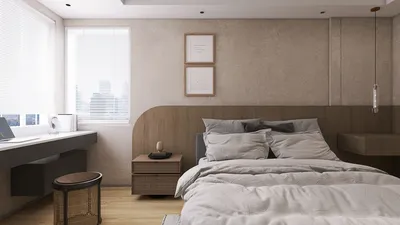


Having transformed interiors for more than a decade, I believe the blue, black, and white color scheme stands out as one of the most classic combinations available. This year's design trends strongly favor bold contrasts, textured elements, and eye-catching pieces. Especially in compact areas, this palette can unleash incredible creativity. In this article, I will present 10 design ideas derived from my real project experiences and expert insights. Whether you are aiming for a serene coastal ambiance or a chic modern loft, you will find valuable inspiration here, including innovations you can explore with tools like Homestyler.
1. Navy Accent Wall with Minimalist Furnishings
In a downtown apartment renovation, I introduced a striking navy accent wall that transformed the entire vibe of the space. When paired with simple white furniture and black metallic touches, the area appeared larger and more inviting.
Advantages: The deep navy hue acts as a neutral backdrop that beautifully complements both vibrant color pops and understated textures, making it ideal for a blue, black, and white living room without overwhelming smaller areas. Furthermore, painting is relatively budget-friendly, making it a feasible first step.
Disadvantages: If not handled properly with lighting, dark walls can make a dimly lit room feel even more confined—something I’ve learned through experience.
Tip: Opt for a matte navy finish for a refined view, and incorporate metallic frames to bounce light around the room.
2. Black Framed Glass Partitions
For one loft client, we needed a separation between the living area and the home office while maintaining natural light flow. We opted for black steel-framed glass partitions, creating a modern and airy ambiance instantly.
Advantages: This setup allows light to permeate while establishing clear zones, which is ideal for open-plan living according to the guidelines from the American Society of Interior Designers. The striking black frames contrast beautifully against white walls and blue decor.
Disadvantages: Custom framing can be quite costly, and managing fingerprints can be a constant hassle.
You can observe similar visual effects in designs showcasing how glass partitions can add structure without enclosing the space.
3. Layered Blue Textiles
For a coastal-themed project, I combined various shades and textures—indigo velvet cushions, light sky-blue linens, and a navy rug set against black and white furniture, evoking a refreshing ocean breeze indoors.
Advantages: This technique introduces depth and warmth; colors of blue are recognized in environmental psychology to promote relaxation and communication.
Disadvantages: Overloading on textures can create a chaotic atmosphere—your living room may resemble a textile store.
4. Monochrome Gallery Wall with Blue Highlights
I designed a gallery wall of black and white photographs but incorporated several pieces accentuated with vibrant blue tones. Visitors always commented on those standout details.
Advantages: This approach is a cost-effective way to infuse character without the need for repainting. It's also a renter-friendly option for installation.
Disadvantages: If not arranged thoughtfully, it can look overly cluttered; I’ve witnessed it turn into a visual disarray in some homes.
5. Statement Blue Sofa
In a compact city apartment, we centered the entire space around a plush royal blue sofa, complemented by black side tables and a white area rug to create balance.
Advantages: It provides an immediate focal point, and using durable upholstery helps maintain the beautiful color over time. As noted by Elle Decor, colored sofas are becoming popular as functional art pieces.
Disadvantages: It can restrict flexibility; if you tire of the blue, recovering the sofa is an added investment.
See how a standout furniture piece can shape the entire arrangement of a living area.
6. Black and White Geometric Rug
Rugs are my go-to method for tying a space together. A bold black-and-white geometric rug anchors the color palette, allowing blue accents to shine vibrantly.
Advantages: This choice helps visually organize the furniture layout; it can also conceal minor floor imperfections. It is particularly effective in a blue, black, and white living room as a consistent design element.
Disadvantages: Intricate patterns can overwhelm smaller areas, so it's important to measure correctly.
7. Blue-Tinted Ambient Lighting
I once experimented with soft blue LED strips behind shelves in a project. At night, the inviting glow transformed the entire room into a cozy sanctuary.
Advantages: This lighting creates an inviting ambiance and highlights architectural elements; LEDs are energy-efficient and adaptable.
Disadvantages: Low-quality lighting can appear unattractive—always test out your options beforehand.
8. Matte Black Shelving
For a modern-industrial accent, matte black open shelving showcasing white ceramics and blue glass objects creates a stunning visual.
Advantages: It serves both display and storage purposes; the black background allows accent colors to pop visually. It’s perfect for maximizing vertical space in smaller areas.
Disadvantages: These surfaces require regular dusting, and any clutter is more noticeable against dark colors.
9. Blue and White Striped Accent Chairs
Stripes provide movement and vibrancy. In one redesign, I included a pair of blue and white bucket chairs that effectively contrasted with a dominant black leather sectional.
Advantages: They offer a playful yet structured look; stripes are a classic pattern that can fit various styles.
Disadvantages: Mixing patterns requires careful consideration—too much variety can lead to clashes.
See how integrating patterned accent seating can rejuvenate a mainly neutral color scheme.
10. Minimalist Blue Art on White Walls
Large-scale abstract art in shades of blue on crisp white walls brings a sense of calm yet makes a bold statement in contemporary settings.
Advantages: It enhances personality and a stylish look; seasonal art swaps can refresh the atmosphere.
Disadvantages: Original artwork can come with a high price; prints are often a more budget-friendly alternative.
Conclusion
Creating a blue, black, and white living room is about making savvy and cohesive choices rather than imposing limits. From color-blocking walls to layering textures, each of these concepts can be tailored for any space, large or small. According to the International Interior Design Association, contrast-rich palettes like this can elevate the perception of sophistication when balanced appropriately. Which of these innovative ideas would you like to implement in your own home, perhaps with the help of Homestyler?
FAQ
1. Why choose a blue, black and white palette for a living room?
This combination is timeless, versatile across various styles, and strikes a balance between tranquility and boldness. It is effective in both spacious and compact settings.
2. Does a dark navy wall make a room feel smaller?
Potentially, if lighting isn't adequate. Pair it with strategic lighting or reflective accents to maintain a sense of spaciousness.
3. How can warmth be added to a blue, black, and white living room?
Introduce warm materials like wood or brass, or softer textiles such as wool throws to create a balance with the cooler tones.
4. Are black framed glass partitions costly?
Custom versions can be, but ready-made options are often less expensive. ASID suggests that glass partitions can also enhance the feeling of space.
5. Is investing in a statement blue sofa worthwhile?
If selected in a durable fabric and classic design, definitely. It serves as a focal point capable of lasting for years.
6. Can patterns be mixed within this color scheme?
Certainly, just keep the scale and harmony in mind. For instance, pair a large patterned rug with smaller print cushions.
7. What’s the most effective way to light a room utilizing this palette?
Utilize layered lighting—ambient, task, and accent—to ensure the strong contrasts feel balanced and inviting.
8. Do I need to stick strictly to these three colors?
No, accents such as metallics or natural wood can be incorporated. Just ensure the primary palette remains dominant for a cohesive look.
Homestyler is your go-to online home design platform! With its user-friendly design tool, stunning 3D renderings, and a wealth of DIY video tutorials, you can effortlessly transform your home ideas into reality. Start creating your dream space today with Homestyler!
Дизайн сейчас бесплатно
































