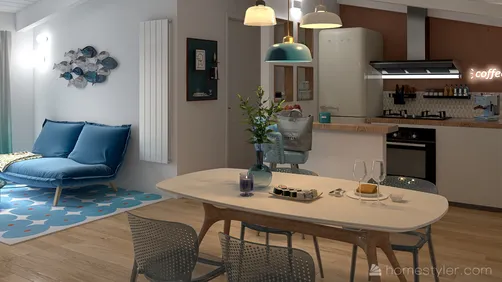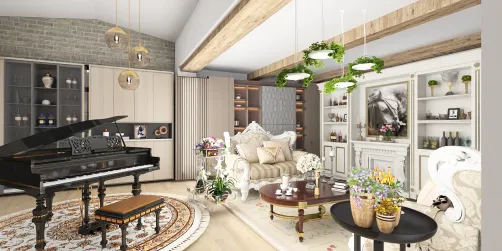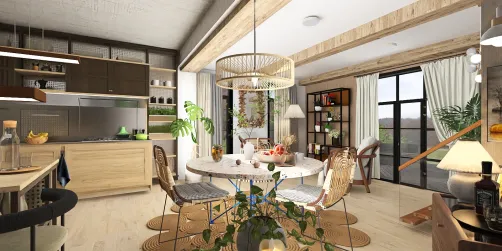
I once attempted to cleverly conceal a treadmill behind a bookshelf for a client residing in a tiny apartment. Spoiler alert: the bookshelf collapsed, and we learned a valuable lesson about the true meaning of 'just fits.' After mending the situation and keeping my client amused, I embraced a crucial principle I live by: small living spaces can ignite significant creativity. If you're looking to create a tidy little gym that doesn't resemble an equipment dump, begin by designating a specific small workout area and then select machines that complement each other seamlessly.
1. Foldable Treadmills: Cardio that vanishes
Foldable treadmills are perfect for apartment dwellers because they can transition from a bulky piece to a bedside table in mere minutes. The benefits are obvious — you can enjoy a good run without permanently sacrificing floor space. However, keep in mind the importance of ventilation and cushioning, so I suggest adding a slim mat and ensuring there's airflow around it.
save pin
2. Under-Desk Treadmills & Compact Steppers: Hidden daily cardio
For those who dislike 'carving out time’ for workouts, under-desk treadmills and compact steppers allow you to incorporate cardio during your workday. While they may not be suitable for sprint training, they excel in promoting regular activity. My advice is to pair them with a stool and a noise-dampening pad to minimize disturbances, especially if your neighbor has thin floors.
save pin
3. Vertical Rowers and Upright Storage: Opt for height over width
Rowers designed to stand upright are revolutionary — they are durable for workouts yet slender for storage. I frequently use quick layout mockups to assess door swings and storage spaces before making purchases. This has saved me from potential headaches, especially when a client’s hallway turned out to be narrower than anticipated. Although securing them can present a slight challenge, it’s just a one-time setup.
save pin
4. Compact Air Bikes & Foldable Spin Bikes: High intensity, minimal space requirement
Both air bikes and sleek foldable spin bikes provide an intense HIIT workout without overtaking the room. While they do create some noise and sweat, treat them akin to kitchen appliances — positioning them near a window or using an absorbent mat can help. In one recent renovation, I advised placing an acoustic panel behind the bike; it not only added a touch of elegance but also proved effective in sound absorption.
save pin
5. Multi-use Furniture + Smart Displays: Make technology do double duty
By combining a slim storage bench, vertical shelves, and a smart display (or mirror), you can transform any corner into a mini-gym that appears intentional. Store dumbbells inside benches and install hooks for resistance bands. To help clients visualize the setup, I often utilize a 3D walkthrough, allowing them to see how each machine will fit in their actual space — this minimizes uncertainty and regrets after purchase. The downside? Multi-functional items may come at a slightly higher price, but they offer both style and tranquility.
save pin
FAQ
1. What cardio machines are ideal for very small apartments?
I typically advise using foldable treadmills, under-desk walkers, vertical rowers, and compact air or spin bikes as they balance high performance with efficient storage. Always consider noise levels, airflow, and how often you plan to utilize the equipment.
2. How much space is required for a foldable treadmill?
Make sure to allocate enough space for the treadmill when it’s unfolded, plus an additional 30–60 cm around the back for safety. When folded, they generally take up less than 0.5 m2, but it's important to verify the specific model's measurements against your doorway.
3. Are under-desk treadmills effective?
They are excellent for boosting daily activity levels and burning extra calories, but are less suited for high-intensity runs. For achieving significant cardio improvement, consider pairing them with focused HIIT workouts using a compact bike or rower.
4. How can I minimize noise and vibrations?
Utilize a dense anti-vibration mat, place the machines away from shared walls, and think about installing acoustic panels if you intend to train intensely. Machines on concrete surfaces usually operate more quietly than those on wooden floors.
5. What is the budget estimate for space-efficient cardio equipment?
Expect prices for under-desk walkers and compact steppers to be in the low hundreds, while foldable treadmills and mid-range bikes typically range from mid-hundreds to low thousands. Think of these as investments in comfort and motivation.
6. Can smaller cardio machines deliver significant fitness benefits?
Absolutely. Short, frequent workouts and interval training on compact machines can enhance aerobic fitness and metabolic health. Consistency in usage tends to outweigh the overall duration of each session for most individuals.
7. Where can I find advice on how much cardio is necessary?
The CDC recommends engaging in at least 150 minutes of moderate-intensity or 75 minutes of vigorous-intensity aerobic exercise weekly. More details can be found on the CDC's physical activity basics webpage: https://www.cdc.gov/physicalactivity/basics/index.htm.
8. How do I determine the best choice between a rower, bike, or treadmill for small spaces?
Align the machine selection with your fitness objectives: treadmills for running, rowers for comprehensive conditioning, and air bikes for intense interval training. Consider factors like noise, storage methods, and how the equipment will integrate into your daily life.
save pin
Looking to transform your space? Homestyler is the ideal online platform for you! With its user-friendly design tool, stunning 3D renderings, and a wealth of DIY video tutorials, you can effortlessly create and visualize your dream home. Start designing today!