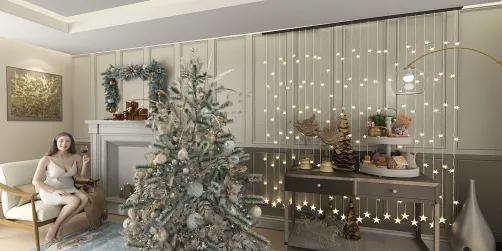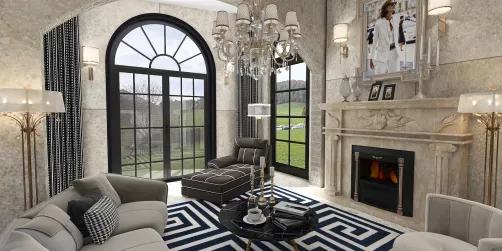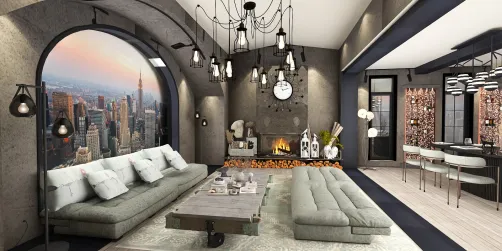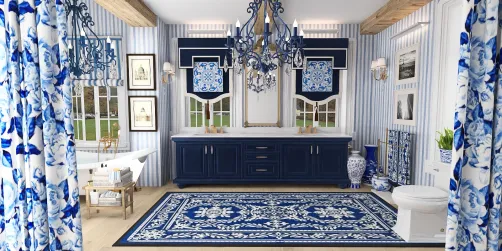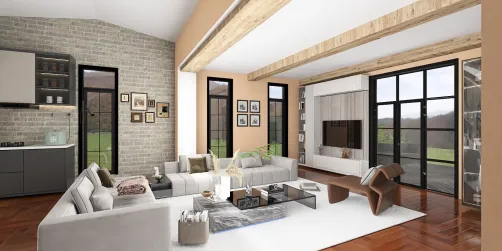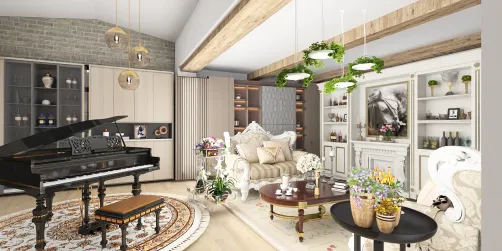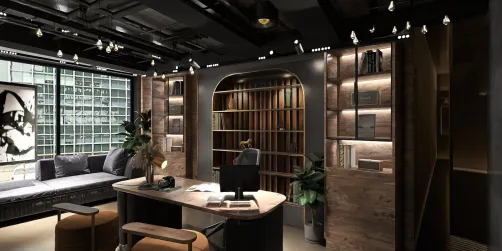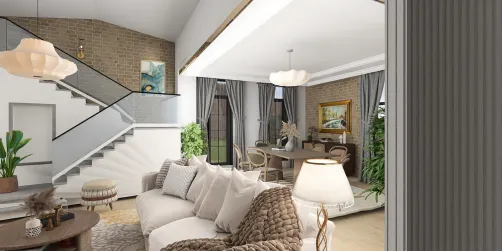
As we look to the future, many modern homes still struggle with noisy corridors, rarely used landings, and lack of privacy. I focus my designs on anticipating future needs instead of just addressing current ones. According to the NAHB, features like secondary bedrooms and adaptable loft spaces remain a top priority for buyers, even as overall square footage plateaus. This illustrates that simplicity, when effectively incorporated into designs, often surpasses the mere consideration of size in contemporary second floor house plans. Using a tool like Homestyler allows homeowners to visualize these smart designs for tomorrow’s living needs seamlessly.
Split-Quiet Layout: Primary Suite on One Side, Kids/Guest Cluster on the Other
Design Logic: Distinct sleeping zones function as micro-systems, reducing noise transfer and catering to multi-generational living requirements.
Flow: The staircase leads to a central hub; one path directs to the primary suite, while the other leads to the children’s and guest area, anchored by a bathroom.
Sightlines: The curvature of the hall creates intentional occlusion, carefully revealing doors as part of a layered aesthetic; borrowed light brightens the hub without exposing bedrooms directly.
Storage: Two linen storage areas are conveniently located near the bath and primary suite, with shallow wall niches serving as quick-access storage for daily needs.
Furniture Fit: Wall dimensions for beds accommodate queen and king sizes, ensuring circulation channels of 30–36 inches; desk areas are designed to align with electrical outlets and natural light.
Verdict: Over five years, this split-layout design minimizes morning disputes and maintains a sense of privacy as household dynamics evolve.
save pinOpen in 3D Planner Processing...
Loft Spine Layout: Central Flexible Loft with Rooms Arranged Around It
Design Logic: A communal loft acts as a versatile space—functioning as a study area today and a wellness zone tomorrow—while individual rooms are connected like modular units.
Flow: The staircase opens into the loft area; movements radiate like light threads toward sleeping quarters, ensuring low traffic disruption.
Sightlines: Diagonal lines from the loft to window walls create a clear visual hierarchy, making public spaces inviting and private areas subdued without direct sightlines to beds.
Storage: Built-in shelves along the perimeter serve as storage for books and linens, while an attic hatch under the stairs provides space for seasonal items.
Furniture Fit: The loft can accommodate a 72-inch sofa and a 60-inch dining table; bedrooms are designed for full or queen beds with generous clearance for easy movement.
Verdict: The adaptable loft acts as a core living space that requires minimal adjustments, remaining useful as children grow or remote work demands increase.
save pinOpen in 3D Planner Processing...
Short-Hall Efficiency: Compact Corridor Featuring Shared Bath and Laundry Pocket
Design Logic: Efficiently designed hallways minimize wasted space, returning square footage to livable areas while ensuring maintenance access points remain accessible.
Flow: The layout from the stairs through the short hall leads into different rooms, with the shared bath and laundry conveniently positioned to streamline daily activities.
Sightlines: The end of the hall opens to natural light; staggered side doors help avoid clutter, keeping the design visually calming and organized.
Storage: Vertical storage units above the laundry area and 12–16-inch deep cabinetry in the hall provide easy access to essentials; room closets can be customized based on need.
Furniture Fit: Bedrooms are designed to fit queen or full beds with dressers positioned for easy access; hallways maintain a minimum of 36 inches to ensure smooth movement.
Verdict: This design converts small spaces into highly functional living areas, capable of adapting to busy schedules and updates in appliances.
save pinOpen in 3D Planner Processing...
Final Takeaway
Simple second floor house plans are not a compromise; they are precise configurations for ensuring privacy, efficient workflow, and natural light incorporation. Variations like compact corridors, split suites, and loft designs demonstrate how a home can function efficiently, akin to well-written code with minimal delays. From my observations, the homes of the future will not necessarily be larger but instead designed with intention—and utilizing a tool like Homestyler will help transform the subtle spatial decisions that redefine the way people live.

Homestyler is your go-to online home design platform that brings your creative visions to life! With an easy-to-use design tool, stunning 3D renderings, an array of inspiring design projects, and helpful video tutorials, you can effortlessly transform your space into a beautiful home.