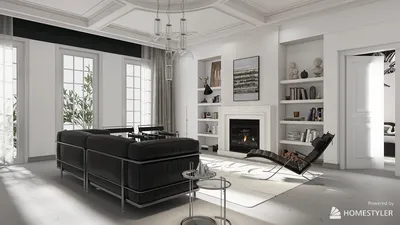


During my time in Ortonville, I encountered a client who insisted on using the same vibrant color for every wall, including the small bathroom. After applying a test patch, we quickly realized that the color overwhelmed the space like a black hole. That experience highlighted for me the importance of intelligent painting choices in transforming a tiny room; often, just a single color swatch can alter everything. To enhance small areas, I frequently combine painting techniques with layout alterations inspired by room design ideas, maximizing every square inch.
Inspiration 1 – Embrace Reflective Light Shades
In smaller homes in Ortonville, I prefer using soft, warm neutrals as they enhance natural light and give the illusion of wider walls. This choice creates a serene backdrop for furnishings; however, opting for lower-quality paints can result in a dull appearance, so I advise investing a little extra in quality pigments to prevent any patchiness.
save pin
Inspiration 2 – Create Depth with Two-Tone Walls
Dividing a wall with a darker tone on the bottom can make ceilings appear taller while concealing scuffs, making it ideal for hallways and playrooms. This approach is straightforward and suitable for a DIY project, but it does require meticulous painter's tape and some patience to achieve a clean line; I’ve found that dedicating an extra ten minutes to preparation can save countless hours in touch-ups later.
save pin
Inspiration 3 – Enhance Kitchens with Accent Tricks
In slim kitchen spaces, I often paint the far wall in a slightly bolder color or a vertical stripe to extend the visual length of the room; these subtle tricks help lessen the cramped feeling of a galley kitchen. If you're also reconsidering the layout, blending your paint choices with practical kitchen design tips can create a small kitchen that is not only aesthetically pleasing but also functional, though integrating cabinetry might increase expenses.
save pin
Inspiration 4 – Storage Solutions with Camouflage
My technique for seamless storage involves painting built-in shelves the same color as the walls, effectively making them vanish and creating the perception of a larger room. The catch is that this may reduce contrast for displayed items, so I often incorporate textured handles or subtle trim details to maintain visual interest without disrupting the overall flow.
save pin
Inspiration 5 – Experiment with Digital Tools and Mood Boards
I always test various paint tones and observe them in different lighting for a few days; it's an economical practice that prevents future regrets. For clients in need of a rapid visual preview, I now utilize digital design mock-ups and explore innovative design solutions like Homestyler, which are surprisingly useful, but they can’t replicate the hands-on experience of choosing real paint.
save pin
FAQ
Q1: What paint finish should I select for compact spaces?
A: I typically suggest using eggshell or satin finishes for small living areas, as they reflect adequate light to enhance depth while minimizing visibility of imperfections. High-gloss is better suited for trim but may highlight flaws on larger wall surfaces.
Q2: Are lighter shades universally better for smaller spaces?
A: While lighter colors generally create an illusion of spaciousness, strategically placed darker accents can introduce depth and character. It's essential to consider contrast and placement rather than focusing solely on lightness.
Q3: How many paint samples should I try before making a decision?
A: I recommend testing at least three shades—your primary choice plus one lighter and one darker variant—and reviewing them throughout the day. I always remind clients that these small swatches are the most cost-effective insurance against a regrettable repaint later on.
Q4: Can paint alone effectively enlarge a compact kitchen?
A: Paint can significantly enhance perception, particularly when complemented by layout adjustments and reflective surfaces. Combining a lighter color scheme with practical layout designs significantly improves both aesthetics and functionality.
Q5: How can I manage my budget when repainting a small home?
A: Focus on high-impact areas like living rooms and kitchens, select mid-range paint for durability, and consider leaving trim or accent walls for a later date. I frequently redirect savings from DIY preparation towards higher-quality paint.
Q6: Are low-VOC paints safer for indoor air quality?
A: Indeed—low-VOC and zero-VOC paints diminish harmful emissions and are recommended, especially in areas with poor ventilation. For further details about health impacts, you can refer to the EPA's guidance on volatile organic compounds at https://www.epa.gov/indoor-air-quality-iaq/volatile-organic-compounds.
Q7: What are the best preparation steps to avoid patchy results?
A: Start with cleaning surfaces, filling any holes, lightly sanding, and priming when transitioning from darker to lighter colors or when dealing with uneven textures. Proper preparation greatly enhances the visual benefits of even budget-friendly paints.
Q8: When is it advisable to hire a professional painter in Ortonville?
A: It’s best to hire professionals for high ceilings, intricate trim, or if you need an impeccable finish swiftly. Professionals often save time on preparation and cleanup, which can be invaluable for busy households.
save pin
Homestyler is your go-to online home design platform! With its user-friendly design tool, stunning 3D renderings, and a wealth of design projects and DIY video tutorials, you can effortlessly transform your space and unleash your creativity—perfect for both novices and seasoned designers!
Дизайн сейчас бесплатно
































