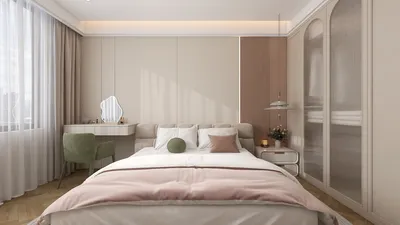
The evolving lifestyle demands innovative solutions to persistent housing challenges, such as limited time, insufficient storage, and disjointed daily routines. In my design approach, I tackle these issues with ground floor plans that function like adaptive systems. According to the National Association of Home Builders (NAHB), the typical new single-family home is becoming more efficient in its layout, focusing on multifunctional spaces. This trend greatly influences my treatment of a 720 sq ft ground floor, where strategic spatial reasoning combines with urban life rhythms. Within this compact area, limitations translate into clarity, and new habits establish their place, enhanced by tools like Homestyler.
In modern living, we engage with our surroundings through integrated spaces rather than mere rooms. Our actions—entering, cooking, resting, and managing belongings (or data)—demand a coherent structure. Insights from Zillow reveal a consistent buyer inclination toward versatile living spaces instead of enclosed rooms, prompting me to design movement flows akin to software systems. Sightlines act as layers of information while furniture defines spatial boundaries. Consequently, this ground floor becomes more than just its dimensions, effectively supporting daily activities.
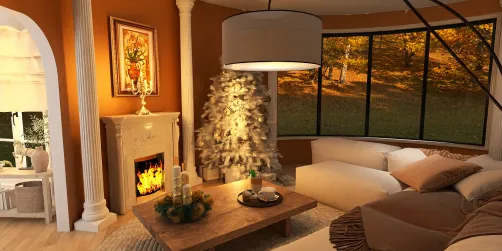
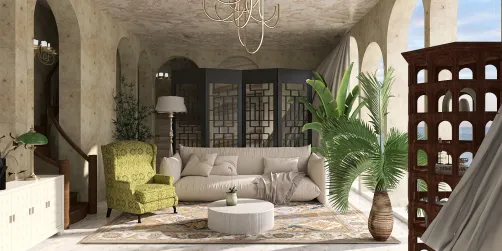
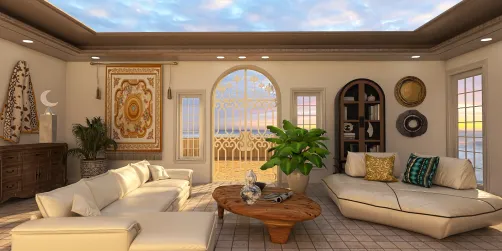
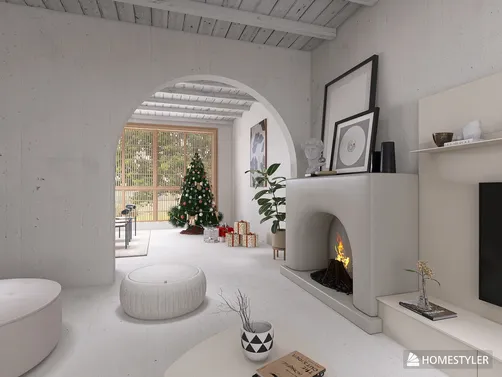
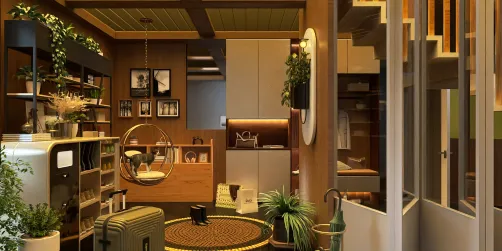
Open-Core Living with Pocket Entry
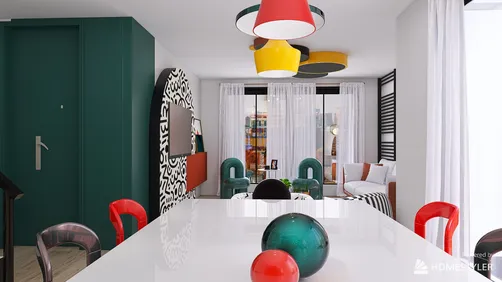
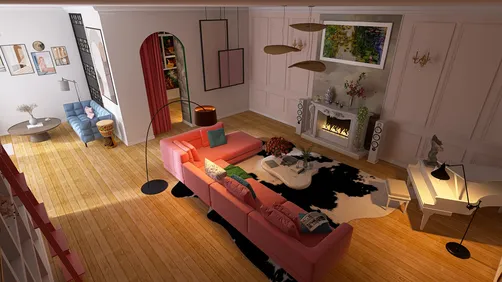
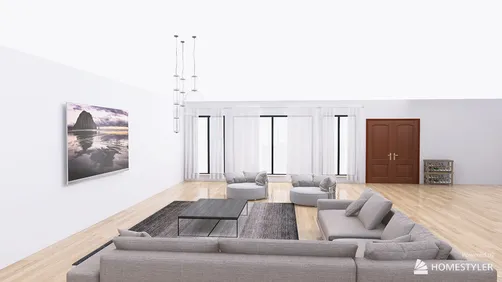
Designing a concise foyer creates a transition that opens up into a spacious core for living and dining. Modern routines favor adaptable zones over rigid partitions, promoting an open layout.
Flow: Entry → drop zone → kitchen edge → dining area → lounge; a streamlined sequence of movement minimizes congestion.
Sightlines: The axis from door to window forms a long visual connection; low-profile kitchen appliances simplify the user interface, drawing attention effectively.
Storage: A narrow coat nook, a bench with concealed storage, and wall-mounted shelves function as vertical space solutions; pantry slides resemble organized drawers for easy access.
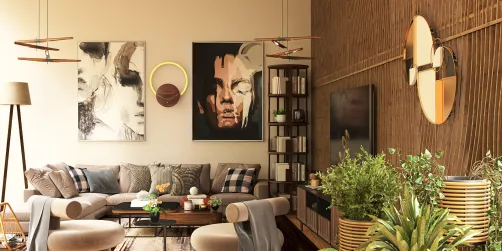
Furniture Fit: A 72-78" sofa, a 36" round table, and two stackable chairs provide efficient seating options; a 9' x 11' living area respects walking space requirements of 30-36".
Verdict: This central area operates like a scalable server—designed for efficiency now but capable of adapting to future demands, including potential work-from-home scenarios and relaxed evening routines.
save pin
Galley Kitchen with Utility Spine
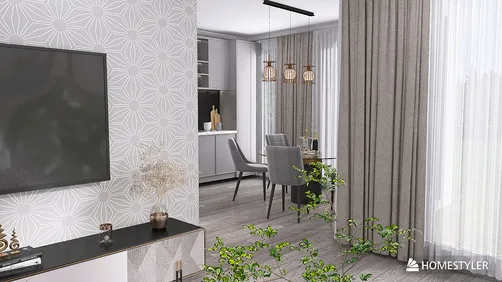
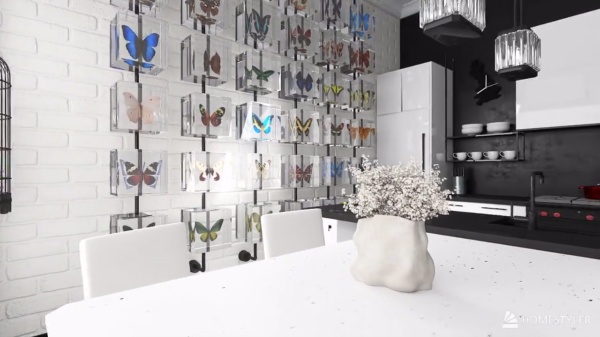
The design concept features a 10-12' galley that aligns appliances along a single data track. Short distances and high efficiency are prioritized for future living patterns.
Flow: Preparation → cooking → plating → dining, with an easy access route to the utility closet; each step is part of a predictable cycle.
Sightlines: Low cabinets create an unobstructed view; a pass-through window connects dining visually, enhancing the flow of the day.
Storage: 24" deep base cabinets, pull-out trays ensure quick accessibility, and a tall broom closet provide functional storage without sacrificing aesthetics.
Furniture Fit: 24" counter stools slide neatly beneath a 12" overhang; a portable cart adds flexibility for weekend use.
Verdict: This utility spine is both precise and adaptable—evolving effortlessly alongside lifestyle changes, much like future software updates.
save pin
Flex Room with Sleep Niche
The design includes a sliding partition that transforms the space into either a private sleeping area or a multifunctional studio. Contemporary homes require spaces that can easily adapt to varied needs.
Flow: Hallway → flexible space → closet area → bathroom; the nighttime path is designed for seamless navigation, while the daytime setup fosters openness and connectivity.
Sightlines: A semi-transparent partition keeps the environment engaging; the bed’s headboard provides a sense of privacy from public areas.
Storage: A 6' reach-in closet equipped with dual rails and organizational bins, combined with under-bed drawers for infrequently used items, offers efficient storage solutions.
Furniture Fit: A queen-size platform bed (60" x 80") with 24" of side clearance fits comfortably; a 48" desk integrates without obstructing movement.
Verdict: This flexible area anticipates the merging of work and rest, ensuring privacy while allowing the space to operate in multiple capacities.
save pin
Final Thoughts
A thoughtfully designed 720 sq ft ground floor plan represents more than a sacrifice in size; it functions as a refined operating system where spaces serve as malleable interfaces. Innovations such as open-core living, a galley kitchen spine, and adaptable sleeping arrangements enable the layout to evolve alongside shifting routines and needs. In my designs, even small spatial choices can yield significant improvements to day-to-day living. I am confident that the most intelligent future homes will be compact, precise, and deeply intentional, making the best use of resources with tools such as Homestyler to aid in visualization and functionality.


Looking to transform your home? Try Homestyler! This exceptional online platform offers an easy-to-use design tool, stunning 3D renderings, and a wealth of DIY video tutorials. Whether you're starting a project from scratch or seeking inspiration, Homestyler makes home design effortless and enjoyable!



















![Design [4]](https://hs-designs.homestyler.com/production/design/images/07c2de3a-88ec-4be8-8910-ff255b795bc2/1731419398293/7841697.jpg?x-oss-process=image/resize,w_502,m_mfit/format,webp)