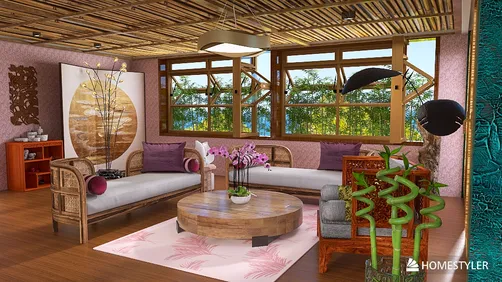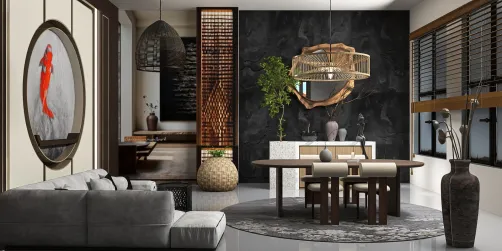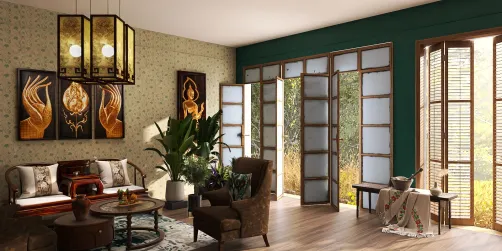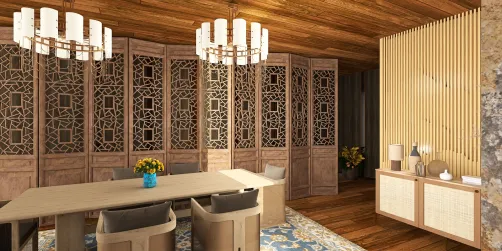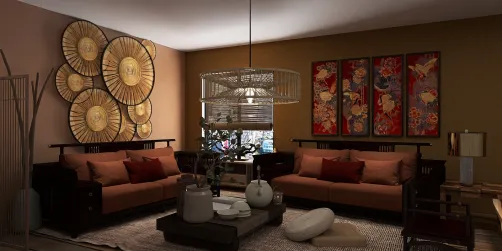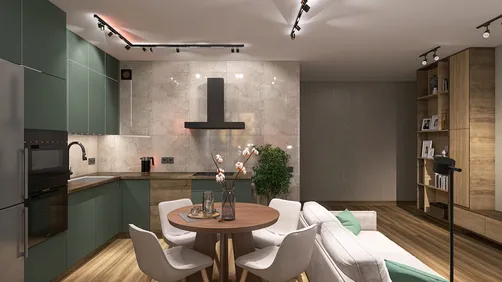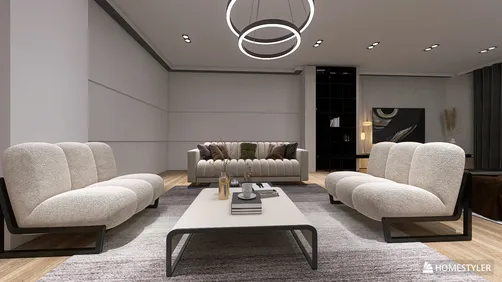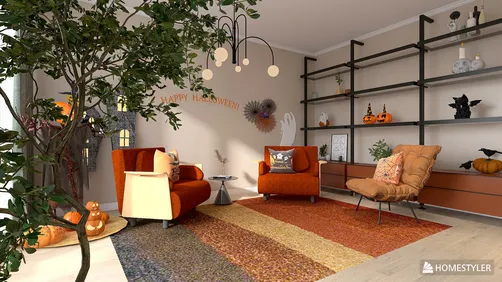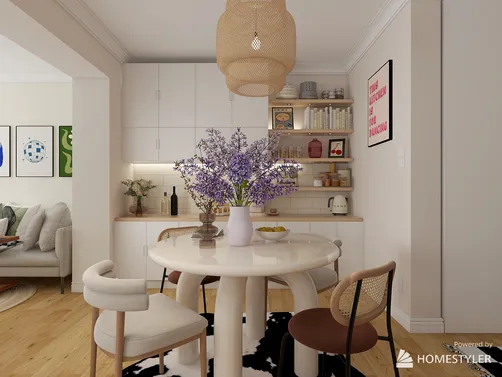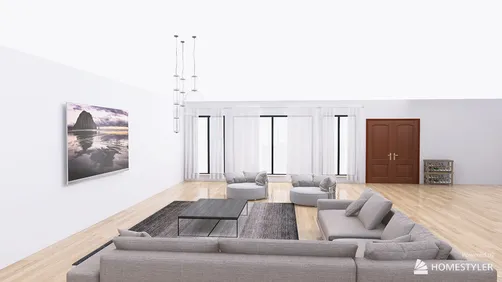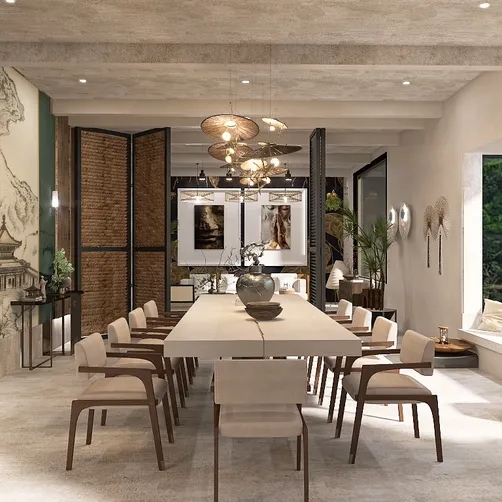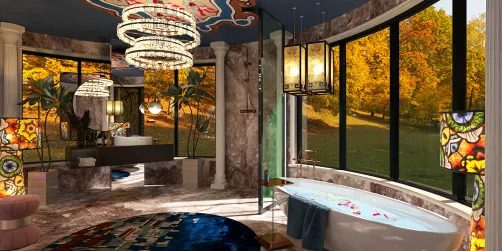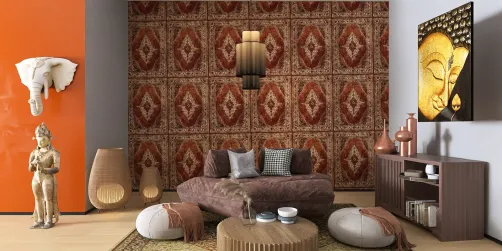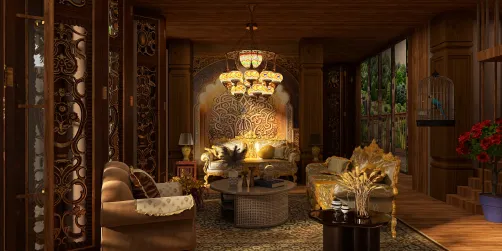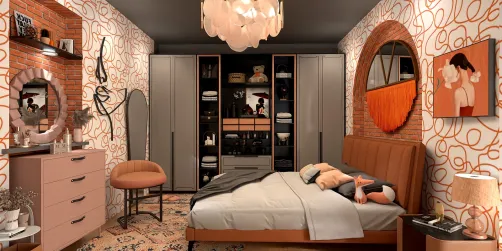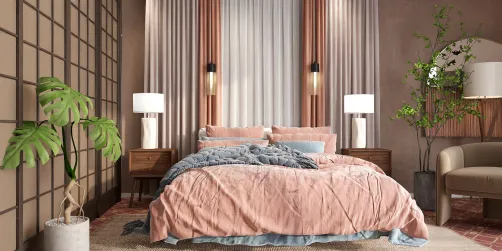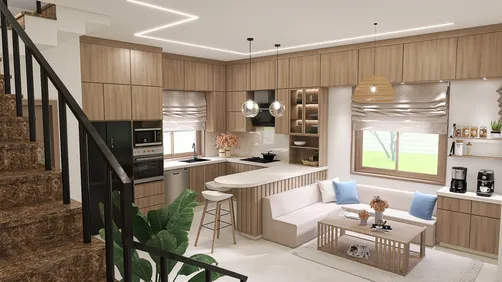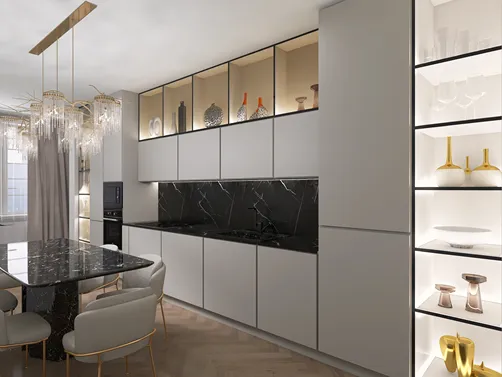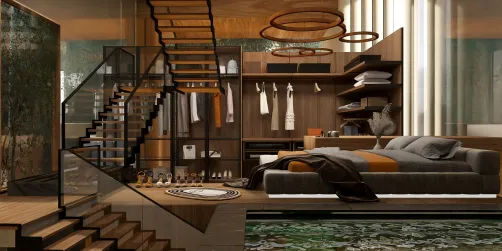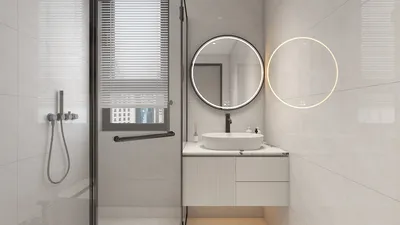
As we look towards the future, my clients face a variety of challenges—balancing privacy with openness, storage needs with tranquil spaces, and flexibility with compliance to regulations. Recent trends in the industry, particularly highlighted by data from Zillow, indicate that smaller, thoughtfully designed homes are becoming more desirable. This notion perfectly aligns with the idea of a 2 BHK ground floor plan, which exemplifies smart design over sheer size. I view the layout as a foundational blueprint for a future lifestyle, with the ground floor serving as its core operating system, ideally suited for utilization with tools like Homestyler.
Axis Core + Split Private Wings
Design Logic: The primary and secondary bedrooms are strategically placed at opposite ends, with a kitchen-dining area acting as the central hub, ensuring adaptability for multi-generational living and versatile workspaces.
Flow: Start at the entry → through a foyer buffer → into the central living hub → along the kitchen spine → then branch left to the primary suite and right to the secondary room and bathroom; this pattern mimics a refined instruction set that minimizes disruptions.
Sightlines: The design incorporates layered visibility: compressing near doorways, with living areas that open up to controlled views, kitchen areas framed aesthetically, and off-axis bedrooms that soften exposure, establishing a priority for tranquility over distraction—much like how UI tiers work.
Storage: Features include an operable wall near the dining space (serving as pantry and utility), under-bench storage in the living room, and a linen tower within the corridor; all designed to enhance efficiency and minimize congestion.
Furniture Fit: Ensuring compatibility and comfort, we have an 84-90 inch sofa with 36 inch aisles, a queen bed measuring 60x80 with a clearance of 30 inches, and a table size of 72x36; every detail checked meticulously to avert functional collisions.
Verdict: This split-wing configuration is built to last; the design maintains high privacy even as lifestyle dynamics evolve, ensuring optimal functionality for years to come.
Save pin
Courtyard Node + Perimeter Rooms
Design Logic: A small internal courtyard acts as a social and thermal center, interlinking living, dining, and bedroom areas, ensuring airflow and comfort for warmer climates ahead.
Flow: From the entry → along the living edge → pivoting to the courtyard → into the dining/kitchen area → extending to perimeter bedrooms and bathrooms; this layout creates a seamless circular flow with elegant exits.
Sightlines: Opaque edges frame a transparent center; the glass walls bring in daylight while solid walls serve as background elements, creating a comforting environment for focus and relaxation.
Storage: Built-in perimeter features such as floor-to-ceiling wardrobes, kitchen wall pantries, and bench drawers near the courtyard ensure accessibility and reduced movement costs.
Furniture Fit: A modular sectional of 95 inches in length, a round table with a diameter of 48 inches to facilitate circulation, and beds equipped with integrated headboard storage represent compact solutions that accommodate hybrid activities.
Verdict: This layout remains clear and legible, with daylight serving as a functional interface and privacy acting like protective encryption; it promises to maintain comfort as climatic demands increase.
Save pin
Front Public Bar + Rear Quiet Stack
Design Logic: An inviting street-facing living and dining area functions as a public space, while the bedrooms and study are nestled towards the rear, forming a secluded cluster—ideal for remote work and tranquil evenings.
Flow: Transitioning from the porch → through an airlock foyer → into the vibrant living/dining area → through the galley kitchen → down the rear corridor → leading to bedrooms, bathrooms, and a compact study; a sequence that eliminates branching errors.
Sightlines: There’s an open front-to-middle vision, while the rear remains deliberately opaque; this visual hierarchy directs focus where communal engagement is vital.
Storage: Wall-mounted coat and gear racks at the front, a pull-out pantry in the galley kitchen, a utility closet in the corridor, and wardrobe spaces along the bed wall; all strategically positioned to align with daily routines—morning and night.
Furniture Fit: A pair of conversation chairs, a 60-inch dining bench against a wall, twin or queen beds with 28-30 inches clearance, and a tucked-away desk measuring 48x24 are implemented with precision to ensure seamless flow.
Verdict: This design pattern effectively reduces noise overlap with work activities; five years down the line, it will continue to balance hospitality with deep focus.
Save pin
Final Takeaway
Ultimately, a 2 BHK ground floor plan emphasizes not merely on square footage but on the capacity of the design to adapt to future demands—incorporating work-live flexibility, responding to climate challenges, and accommodating multigenerational living. Variations, including split wings, courtyard nodes, and rear quiet stacks, enhance functionality without inflating the structure. In my perspective, the future’s smartest homes will prioritize intentionality over size, and tools like Homestyler can help visualize these innovative layouts effectively.

Homestyler is your go-to online home design platform that transforms your vision into reality. With its user-friendly design tool, stunning 3D renderings, diverse design projects, and engaging video tutorials, creating your dream space has never been easier or more enjoyable. Dive in and get inspired!