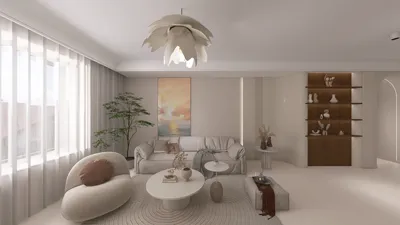


I once had a client who insisted that a new bunk bed must accommodate three adults, a desk, and still offer enough space for yoga — I nearly suggested using a tent instead. This experience taught me that clever stacking and thoughtful zoning triumph over brute force every time; it's essential to begin by planning for circulation and storage to ensure that the layout works seamlessly before any purchases are made. For a quick visual aid in determining the placement of beds, desks, and closets, I often utilize an optimal room zoning strategy, which allows me to prevent awkward pathways.
1. Loft-style bunk featuring built-in storage
Loft bunks are fantastic because they transform vertical space into drawers, shelves, and even an under-bed wardrobe. While custom building can be a bit more expensive, the significant storage gained helps keep the floor clear of clutter. However, keep in mind that a loft may reduce headroom beneath the upper bunk if your ceiling is on the lower side. Utilizing tools like Homestyler can help visualize this layout effectively.
save pin
2. Twin-over-trundle design for versatile sleeping arrangements
For compact spaces that occasionally host guests, a twin-over-trundle provides two beds within the footprint of a single unit. This option is affordable and suits both children and infrequent visitors, although cleaning beneath the trundle can be tricky, and thinner mattresses are necessary to fit the compact frames.
save pin
3. Study-bunk combination equipped with an integrated desk
Incorporating a desk beneath the upper bunk allows for distinct study and sleeping areas without consuming extra floor space. I once designed a similar setup that included pinboards and a lamp in the child’s homework nook — very practical indeed! However, it’s crucial to plan for adequate ventilation and lighting to ensure the lower area maintains an open feel. Before finalizing your design, try a few quick sketches to assess desk clearance and chair movement.
save pin
4. Corner L-shaped bunks to maximize central space
Positioning an L-shaped bunk in a corner frees up the center of the room for play or a small dresser. This arrangement fosters private sleeping spaces and can include corner shelving, although it's important to ensure that mattresses can match the frame angles, which makes styling bedding slightly more complex.
save pin
5. Fold-down wall bunks for multifunctional spaces
Wall-mounted, fold-down bunks are invaluable when a room also functions as a home gym or office. By day, you reclaim floor space; by night, you add a bed. Installation requires precise wall anchoring and some ongoing maintenance, so be sure to account for that in your budget. Utilizing tools like Homestyler can assist in creating a visual mock-up for the final appearance.
save pin
FAQ
Q1: Are bunk beds safe for kids?
I suggest bunks for children over 6 for safety, along with guardrails and sturdy ladders. For authoritative safety guidelines, visit the U.S. Consumer Product Safety Commission regarding bunk beds: https://www.cpsc.gov/Safety-Education/Safety-Education-Centers/Bunk-Beds.
Q2: What thickness of mattress is ideal for bunk beds?
Use a thinner mattress (typically 6–8 inches) for the top bunk to maintain the safe height of guardrails, while the bottom can be thicker if space allows. Be sure to measure frame depth and mattress clearance before making a purchase.
Q3: Can adults use bunk beds?
Absolutely, but it's important to select models that are rated for adult weight and made with higher-quality slats or metal frames. Opting for full-size or twin-over-full configurations can enhance comfort significantly.
Q4: How can I maximize storage with a bunk bed?
Consider incorporating drawers into the stair treads, utilizing open shelves along the sides, or selecting loft beds that leave ample space underneath for a wardrobe. Although built-ins can be more expensive, they effectively save space and minimize the need for additional furniture.
Q5: Is a loft bed superior to a traditional bunk?
Lofts free up essential floor space for desks or seating, making them optimal for single occupants who require a workspace. On the other hand, traditional bunks are preferable when you need two full beds without compromising on ceiling height.
Q6: What ceiling height is necessary for a loft or bunk?
A safe guideline is a minimum of 8 feet for standard bunks; lofts will require additional clearance above the top bunk for comfortable sitting and ladder access. Always measure from the top of the mattress to the ceiling to prevent any bumps.
Q7: Is it possible to DIY a bunk bed?
Experienced DIYers can construct their own bunks to save on costs, but maintaining structural strength and proper fastenings is crucial. If unsure, it's wise to consult a professional or follow tested plans to ensure safety.
Q8: How can I choose the right layout for a small room?
Consider placing furniture in corners, opting for vertical storage, and using multifunctional pieces to keep the central area open. Creating simple sketches or mockups can be quite helpful; mark walking paths and outline furniture footprints prior to making any purchases.
save pin
Homestyler is your go-to online home design platform! With its user-friendly design tool, stunning 3D renderings, and a wealth of DIY video tutorials, you can effortlessly create and visualize your dream spaces. Transform your home with ease and inspiration today!
Дизайн сейчас бесплатно
































