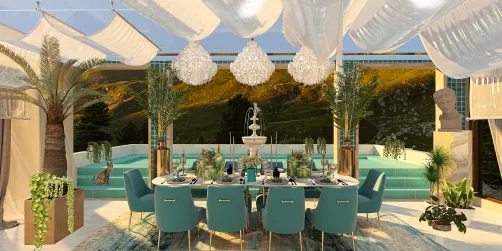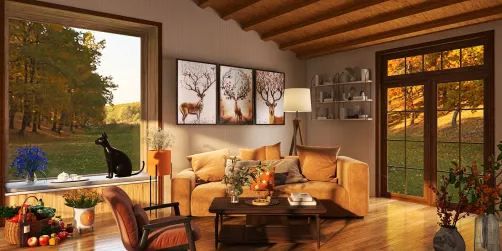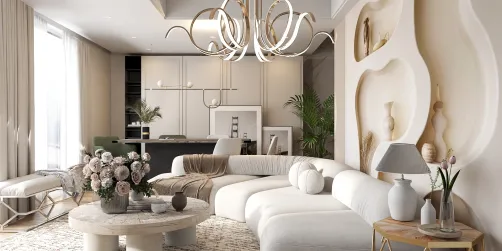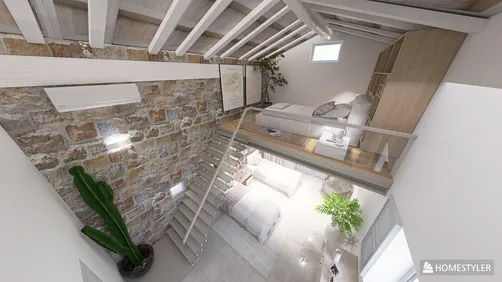
In designing small kitchens, I apply the same meticulous approach as I do for larger projects, ensuring that each square inch serves its purpose. A thoughtfully arranged modular layout, marked by clean lines and multifunctionality, can create a sense of spaciousness, efficiency, and aesthetic appeal. According to Gensler’s workplace research, well-organized spaces enhance perceived productivity and satisfaction; similarly, effective spatial planning in small kitchens often results in quicker meal prep and minimized clutter. Furthermore, Steelcase’s findings indicate that environments that promote task clarity can ease cognitive strain, directly impacting cooking processes in compact areas. Using tools like Homestyler can help visualize these layouts effectively.
Lighting acts as a vital yet often overlooked element in kitchen design. The Illuminating Engineering Society suggests a range of 300–500 lux for overall kitchen ambiance, and 500–1000 lux for specific work areas such as countertops, ensuring safe preparation and accurate color display. WELL v2 guidelines also emphasize the importance of managing glare, aligning lighting with our natural rhythms, and utilizing high CRI fixtures—effective lighting makes smaller kitchens appear larger and more approachable. For evening relaxation, I choose dimmable, warm-to-neutral LEDs (2700–3500K) alongside brighter under-cabinet strips (3500–4000K) for cooking tasks.
Strategically Designing the Work Triangle
A well-defined work triangle—comprising the fridge, sink, and cooktop—should ideally total between 12 to 22 feet for optimal circulation in limited spaces. I recommend having at least 40 to 48 inches of aisle space for solo cooks; this increases to 48 to 54 inches if two people will be using the kitchen. For confined studio settings, a combination of single-wall and island layouts simplifies movement and reduces congestion. Utilizing a layout tool such as Homestyler can assist in checking clearances and ensuring functionality in these compact designs.
Identifying Zoning in Kitchen Images: Key Features
When looking through images of small modular kitchens, I pay attention to the presence of clear task zones, uncluttered vertical spaces, and organized storage elements. Key visual indicators include a cohesive line for wall cabinets, continuous illumination under cabinets, and a tidy arrangement of appliances. The most effective designs typically feature tall integrated units on one side, complemented by low, wide drawers below—drawers are preferable in tight kitchens due to their ease of accessibility.
Creating a Systematic Approach to Storage
I consider storage to be akin to choreography in kitchen design. Including tall pantry pull-outs, 600mm-wide deep drawers, and corner carousels minimizes unnecessary movement. Position vertical dividers close to the oven for items like trays and cutting boards, while reserving a shallow drawer at the top for knives and prep tools. Each appliance should have its dedicated space, like a slide-out shelf for a mixer, a ventilated spot for the toaster, and a hidden drawer for charging devices.
Choosing Surfaces and Materials: Practical Yet Elegant
The best small kitchens benefit from finishes that are both durable and understated. Opting for matte or low-sheen fronts reduces visual distraction while quartz and sintered stone countertops endure wear without issue. I prefer textured laminates on taller units to resist smudges, and lighter shades on lower cabinets to enhance the room’s brightness. Sustainable selections—like FSC-certified plywood and low-VOC finishes—are excellent to lessen environmental impact while ensuring easy maintenance.
Understanding Color Psychology in Compact Areas
Colors can influence both mood and spatial perception. Soft neutrals tend to recede visually, which can help create a feeling of enhanced space, while warm tones encourage comfort. Insights from Verywell Mind on color psychology suggest that shades of blue foster calm and concentration, ideal for work-heavy areas, while yellows can invigorate but should be used judiciously to prevent fatigue. I prefer to use vivid colors sparingly—for instance, on stools, a splash of backsplash, or even an appliance—to accent the overall design without constraining the area.
Layering Light: A Triad of Functionality
Effective lighting can be broken into three essential layers: ambient lighting from ceiling fixtures for overall luminescence; under-cabinet task lighting reaching 500 to 1000 lux for cooking preparation; and accent lighting for added depth, such as LED tape lights or illuminated niches. It’s crucial to maintain narrow beam angles over glossy surfaces to minimize glare. Should you choose to add pendant lighting above an island, ensure they hang 28 to 34 inches above the counter, and employ diffusers to create a soft glow.
Prioritizing Acoustic Comfort and Appliance Choices
In smaller kitchens, hard surfaces can amplify sound. I mitigate this by installing soft-close hardware, placing felt pads under stools, and utilizing area rugs with moisture-resistant backing near dining areas. When selecting appliances, choose dishwashers that operate below 44 dB, and opt for range hoods that offer effective filtration at moderate fan settings—efficient ducting can help eliminate the need for loud operation.
Ergonomics: Focus on Height, Reach, and Flow
Countertop heights of around 36 inches are appropriate for most cooks, while taller individuals might find 37 to 38 inches preferable for their workspaces. Position heavier items at a height of 24 to 54 inches from the floor to reduce bending and straining. I like to install microwaves at or slightly below eye level for safety and convenience, and include pull-out trays in cabinetry to facilitate easy access without needing to reach deep inside.
Layouts That Photograph Beautifully
Small kitchens that photograph well often showcase designs like a single-wall coupled with a slim island; a compact L-shape featuring a full-height pantry; or a galley style with mirrored drawers and consistent lighting. These arrangements create strong horizontal and vertical lines, lending an orderly feel and making the area appear larger. Utilizing an interior design tool like Homestyler can help in visualizing how all elements—from finishes to lighting—integrate harmoniously.
Selecting Smart Fixtures and Efficient Utilities
A deep single-bowl sink with an integrated ledge for accessories (like a colander or drying rack) is a great option. Consider a pull-down faucet with a reach of 15 to 20 inches to cover corners without creating splashes. Induction cooktops provide precise heating with minimal noise and smooth surfaces for effortless cleaning. Compact combination ovens are excellent for saving space while still allowing for a variety of cooking methods.
Ensuring Safety, Ventilation, and Compliance
It's essential to maintain proper clearances, such as a minimum of 15 inches from cooktops to surrounding walls, and 24 inches from gas appliances to combustible materials, along with proper ducting for the hood with back-draft dampers. Ensure that lighting adheres to recommended lux levels while minimizing glare according to IES guidelines. It's also crucial to have GFCI protection near wet areas and to ensure adequate make-up air is available in tight spaces.
Styling for Proportionality: Visual Enhancements
Utilize continuous lines for backsplashes to create the illusion of more space. Align the tops of upper cabinets or select open shelving with integrated rails to lessen visual heaviness. Adding mirrored panels on niche shelves can introduce depth without overwhelming the viewer. A color scheme that remains predominantly monochromatic with a singular contrasting material—such as light ash laminate paired with black quartz—creates a serene environment while enhancing visual sharpness.
Approach to Reviewing Small Kitchen Images
When examining small kitchen photographs, I look for a clear task structure, uninterrupted runs of counter space ranging from 48 to 72 inches for preparation, ample drawer space, and restrained color choices. Consistent lighting is non-negotiable—uneven illumination signals a poorly designed space. I assess the quality of edge details, outlet placements, and appliance integration; seamless joinery is key to making a small kitchen appear larger.
Frequently Asked Questions
For a single user, a 6 to 8 foot single-wall setup with a 24 to 30 inch deep countertop and a clear aisle of 36 to 42 inches can function effectively. When incorporating an island, aim for at least 40 to 48 inches of clearance around it.
Aim for ambient lighting levels around 300 to 500 lux and task areas at 500 to 1000 lux as per IES suggestions. Select 3500 to 4000K for workspaces and 2700 to 3500K for a warm evening atmosphere.
A single-wall layout with a narrow peninsula tends to outperform a bulky L-shape by preserving clear flow while offering defined prep areas and seating without sacrificing storage.
Absolutely, in moderation. Open shelves can lighten the visual burden and display frequently used items. Place them near prep areas and limit their depth to 10 to 12 inches to avoid overwhelming the space.
Prioritize wide drawers over cabinet doors, ensure seamless integration of appliances, and organize charging cables discreetly in a dedicated drawer. Stick to two main materials alongside one accent, and use continuous lighting to unify the broader design.
High-quality quartz or compact sintered stone offers outstanding durability and stain resistance. Well-finished laminates with tight edges also provide a premium image in photographs while aligning with budget considerations.
Opt for light neutrals on lower cabinetry, with soft contrasting upper cabinets and a singular bold color accent. Cooler shades tend to recede while warmer hues should be used sparingly to enliven the design.
Choose a quiet, effective hood with suitable ductwork and a back-draft damper. Induction cooktops minimize emissions, enabling lower fan speed operation. Ensure make-up air is accounted for in tight configurations.
Certainly. Task lighting provides precise illumination exactly where needed, reduces shadows, and enhances safety during preparation. Opt for high-CRI LED strips equipped with diffusers to avoid harsh lighting contrasts.
Homestyler is your go-to online design platform for creating stunning home interiors! With its user-friendly design tool, realistic 3D renderings, and a wealth of DIY video tutorials, you can unleash your creativity and transform your space effortlessly. Start your design journey today!