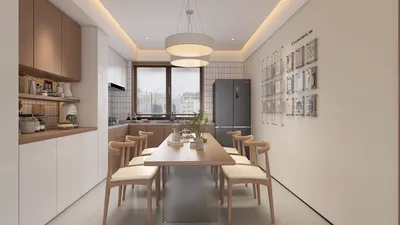


Selecting a 0.5-ton air conditioning unit, which provides approximately 6,000 BTUs, is ideal for very compact spaces like small bedrooms, cozy study areas, or micro apartments. It's crucial to consider the sizing: if the unit is too small, it will struggle to cool the area, and if it's oversized, you could face issues like short cycling, high humidity, and unnecessary energy consumption. Based on my experience, 0.5-ton systems show optimal performance in well-insulated rooms ranging between 80 to 120 square feet (7.5 to 11 m²), which can vary based on factors such as heat gain and the quality of the building. Research from Gensler indicates that thermal comfort significantly impacts workplace productivity and satisfaction, with control over ambient temperature being one of the principal factors that enhance focus and well-being; this reinforces the notion that appropriately sized cooling solutions in small spaces are essential for comfort and effective performance (source: gensler.com/research).
The importance of noise levels cannot be overlooked. According to research by Steelcase, noise disruptions frequently rank high among comfort concerns, directly affecting cognitive function and perceived fatigue (source: steelcase.com/research). A well-sized 0.5-ton unit generally operates at lower fan speeds for extended cycles, thereby stabilizing temperature and humidity in addition to maintaining sound levels conducive for sleep and study. In smaller environments, this consistent and quieter operation tends to outperform any oversized unit that excessively cools and frequently shuts off.
What is the Appropriate Room Size for a 0.5-Ton AC Unit?
In typical low-load residential scenarios, a 0.5-ton air conditioner is suited for areas from 80 to 120 square feet. This recommendation is based on standard ceiling heights (8 to 9 feet), average insulation levels, reasonable window sizes, and limited solar gain. Should you have a west-facing window, inadequate insulation, or substantial electronic devices, you may need to restrict the room size to around 80 to 90 square feet; conversely, if the room is well-shaded, insulated, and airtight, it can accommodate sizes nearing 120 square feet. The WELL Building Standard highlights the interdependence of thermal and acoustic comfort as vital for overall wellness; aligning room size with cooling capacity ensures these comfort standards are met during prolonged occupancy (reference: wellcertified.com).
Factors Influencing AC Sizing Beyond Just Square Footage
While square footage is merely a starting point, heat gain plays a pivotal role in determining the right sizing. Here’s my on-site evaluation approach:
Comfort Variables: Temperature, Humidity, and Ergonomics
For small rooms, I recommend maintaining temperatures between 74 to 78°F (23 to 26°C) with relative humidity levels held at 40 to 55%. Achieving this balance is key to minimizing fatigue and ensuring respiratory comfort. Steelcase's research associates stable thermal conditions with enhanced focus; thus, a 0.5-ton air conditioning unit equipped with an automatic fan and low-speed continuous operation can significantly reduce temperature drift. Ergonomically, the positioning of controls and airflow direction is crucial: unintentional cold drafts can impede comfort during work. Ideally, directing airflow across the ceiling or towards a wall promotes gentle mixing rather than direct cold air on occupants.
Airflow Management, Positioning, and Draft Prevention
In tiny spaces, even minor layout adjustments can eliminate persistent discomfort. Ensure the indoor air conditioning unit (or window unit) is positioned to discharge air into an open space instead of directly onto beds or seating. Maintain a clearance of 10 to 12 inches around intake areas to avoid drawing in warm air. If your room has a challenging layout—such as narrow configurations with alcoves—investing in a layout planner tool can assist you in visualizing air circulation and furniture arrangements effectively. The primary aim is to facilitate smooth air mixing, mitigate hotspots near windows, and prevent direct cold air blasts onto residents.
Impact of Noise on Sleep Quality
When it comes to sleep and study environments, noise is a critical concern. I typically seek units that operate at around 50 to 55 dB on low fan to promote tranquility while avoiding disruptive cycling patterns. Enhancing the acoustic environment by incorporating soft materials—like rugs, curtains, and upholstered furniture—will improve sound absorption and adapt the overall sound quality. This complements the quieter and longer operational cycles of a low-capacity unit, such as those offered in Homestyler's range.
Lighting and Color Dynamics
Bright sunlight increases heat gain, yet it can also enhance alertness. In small rooms, well-balanced artificial lighting proves beneficial: warm to neutral LED lighting (in the 2700 to 3500K range) minimizes glare, while adjustable task lighting helps manage heat and focus areas. Furthermore, color psychology suggests that cooler tones (soft blues, muted greens) create a fresher ambiance in compact environments, subtly enhancing the perception of coolness without altering the actual temperature (reference: verywellmind.com/color-psychology).
Energy Consumption and Moisture Control
A properly calibrated 0.5-ton system tends to be more energy-efficient compared to oversized alternatives in smaller spaces. Continuous low-speed functionality keeps coils at lower temperatures, allowing for consistent dehumidification which is essential in humid climates, as comfort relies heavily on moisture control. Look for inverter models that offer effective dry modes, and if humidity levels consistently exceed 60%, consider utilizing a dedicated dehumidifier alongside your air conditioning unit for optimal results.
When a 0.5 Ton Air Conditioner Falls Short
If your compact room is situated beneath a metal roof, features large single-pane windows, or experiences significant afternoon sunlight, it may be necessary to upgrade to a 0.75 to 1.0-ton unit or enhance the insulation first by adding shading, sealing drafts, and reducing heat-producing appliances. I often run a quick load assessment before finalizing my decision; in some cases, a simple addition of a $100 window film or blackout shades may render a smaller unit like the 0.5-ton option workable.
Installation Advice for Smaller Rooms
Frequently Asked Questions
Typically, a suitable room size for a 0.5-ton AC unit ranges between 80 and 120 square feet with standard ceiling heights and average insulation levels. However, if solar exposure or internal heat loads are high, aim closer to 80 to 90 square feet.
Yes, provided it can sustain longer operational cycles while maintaining appropriate coil temperatures. In humid regions, select inverter models with robust dehumidification capabilities, keeping relative humidity levels between 40 to 55%.
While a larger unit cools more rapidly, it often results in short cycles that create uneven temperatures, increased noise, and poor moisture control. Proper sizing fosters consistent comfort.
Aim for noise levels below 50 to 55 dB on low fan settings in sleeping areas. Additionally, strategic placement of units and soft furnishings can help further reduce perceived noise levels.
Large single-pane windows facing west or south may increase cooling demands. Implementing shading solutions or low-E window films can help maintain the viability of a 0.5-ton unit.
Yes, high-wattage lighting and glare can contribute to higher heat levels and discomfort. Use efficient LED lighting in the 2700 to 3500K range and dim where feasible for best results.
For balanced comfort in smaller rooms, strive for temperatures between 74 and 78°F and maintain relative humidity levels between 40 and 55%.
Certainly. To avoid cold drafts on occupants, ensure sufficient clearance around intakes, and tightly seal the unit to prevent warm air from intruding.
Adjust the AC unit's position away from direct discharge points, improve airflow, and consider increasing capacity or enhancing insulation if room conditions become borderline.
Generally, yes. Inverter systems adjust their output for longer, quieter cycles, resulting in better humidity management and reduced energy consumption.
Cool color palettes and matte finishes can diminish perceived heat and glare, establishing a sense of freshness, particularly in compact environments.
Absolutely. They significantly decrease solar heat gain, mitigate glare, and enhance acoustics—often enabling a 0.5-ton unit to maintain its set temperature more efficiently.
Looking to elevate your home design? Homestyler is your go-to platform! With its user-friendly online design tool, stunning 3D renderings, and an array of inspiring design projects and video tutorials, creating your dream space has never been easier. Unleash your creativity today!
Дизайн сейчас бесплатно
































