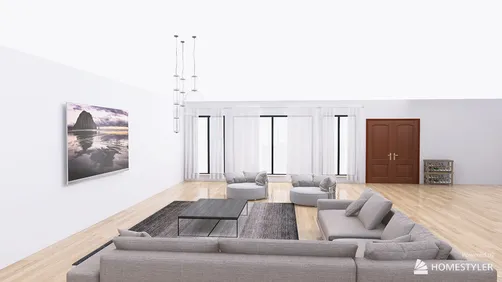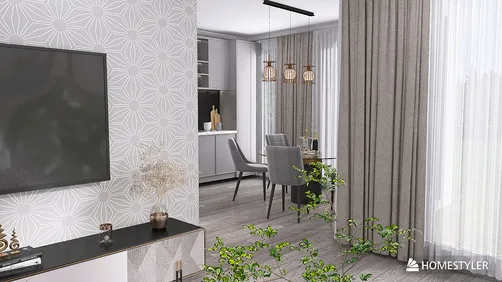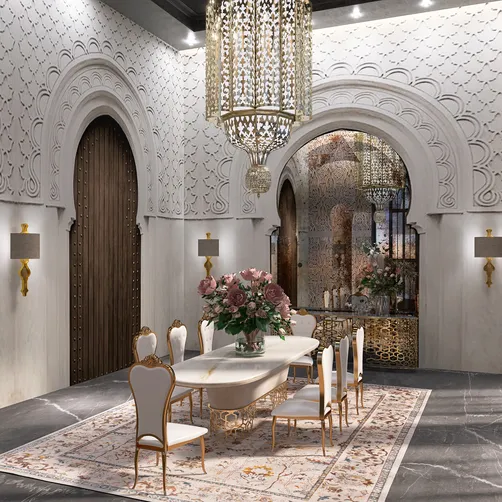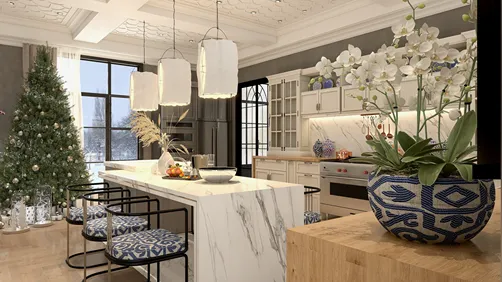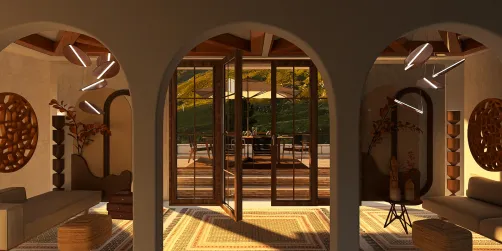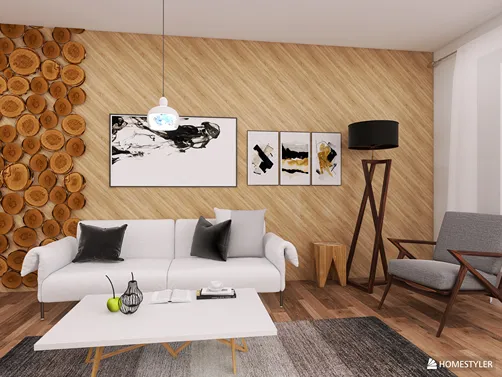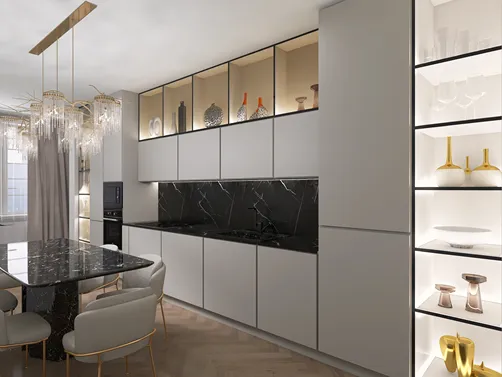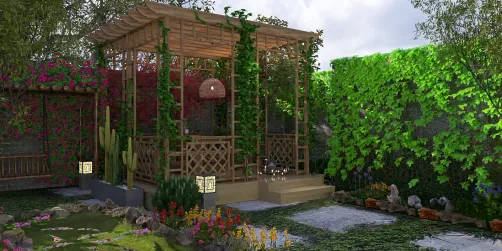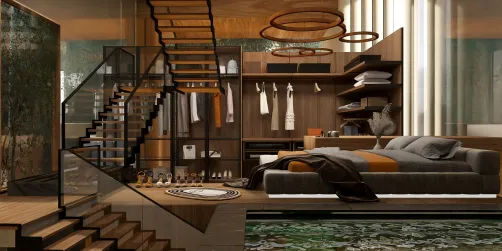
As we look toward the future, it's clear that our living spaces must adapt, particularly in how ground floors function. Currently, the issue many face is fragmentation—rooms that fail to seamlessly connect. Reports from the AIA indicate a growing preference for flexible, multi-use areas rather than traditional formal rooms. While the market is catching on, execution remains slow. In a layout of 1000 sq ft, the ground floor should serve as the foundation of daily routines, utilizing tools like the Homestyler app to create efficient spatial designs. The goal is to design a floor plan for a 1000 sq ft space in 3D that integrates movement smoothly, much like an advanced software system.
Hybrid Spine Layout
Design Logic:
The spine layout consolidates the kitchen, dining, and living areas into a cohesive unit; modern lifestyles require a unified command line rather than isolated spaces.
Flow:
Entry → drop zone → kitchen core → dining bay → lounge edge → garden, creating a route that minimizes friction during busy times.
Sightlines:
From the entrance, there is a direct line to natural light at the back, with side views of the preparation island; the usability interface transitions smoothly from private to public areas.
Storage:
A pantry wall serves as an essential storage solution, with drawer benches located next to the dining area and a concealed media niche; organized access eases cognitive load.
Furniture Fit:
An island of 9-10 ft marks the API limit, while 36 in circulation lanes and modular sofa segments allow for flexible configurations without overlap.
Verdict:
This spine transforms a 1000 sq ft structure into an adaptable corridor of routines, perfectly suited to accommodate the evolving balance of work and life over the next several years.
save pin
Courtyard Loop Layout
Design Logic:
Incorporating a micro-courtyard at the center creates a continuous loop; future residents will benefit from uninterrupted feedback—airflow, light, and relaxation.
Flow:
Foyer → perimeter kitchen → pocket office → courtyard edge → living loop; users navigate effortlessly, avoiding dead ends.
Sightlines:
Views from the perimeter anchor the loop, with a focal point for sky observations; this visual organization fosters calmness and clarity in tasks.
Storage:
Ring storage solutions include hallway wardrobes, under-stair areas, and slim utility walls; these capacities are akin to edge servers in a network.
Furniture Fit:
A round table (42-48 in) complements the loop design; lightweight chairs and nesting coffee tables ensure easy movement and low latency.
Verdict:
The loop anticipates varied schedules, allowing for rest and productivity to blend seamlessly—promising tranquility within a compact setup.
save pin
Split Node Flex Layout
Design Logic:
Featuring two primary zones—one for social engagement and the other for concentrated tasks—connected by a neutral buffer; modern households need the ability to switch roles without hassle.
Flow:
Entry → social zone (living + eat-in) → buffer hall → flexible studio → backyard; navigational paths adapt to the time of day.
Sightlines:
Gentle oblique views between nodes maintain privacy while indicating activity; visual cues are subtle and unobtrusive.
Storage:
The buffer hall serves as the primary storage area: tall closets, utility niches, and hooks for gear ensure quick indexing and access.
Furniture Fit:
A compact sectional (84-96 in), drop-leaf dining table, and fold-flat studio desk respect the dimensions dictated by the 1000 sq ft bandwidth.
Verdict:
This split-node layout prepares for future routines, allowing focused work and social life to coexist with minimal interruptions.
save pin
## Final Takeaway
When designing a 3D ground floor plan for 1000 sq ft, the objective shifts from simply adding more rooms to establishing streamlined protocols—flows, sightlines, and organized storage that function like intelligent software. Options such as compact ground-level layouts, small home footprints, and layered 3D visualizations all aim for one common goal: intentional living space management. The upcoming decade will place a premium on clarity rather than size; in my experience, the most intelligent homes of the future won't necessarily be larger, but much more deliberate in their design choices, aided by tools like Homestyler.
Looking to transform your home effortlessly? Homestyler is your go-to online design platform! With a user-friendly design tool, stunning 3D renderings, a wealth of design projects, and insightful DIY video tutorials, bringing your vision to life has never been easier. Start designing today!