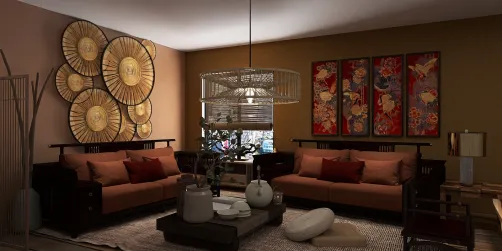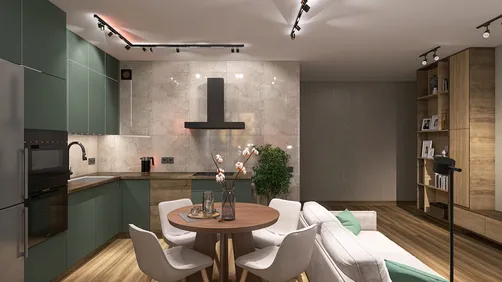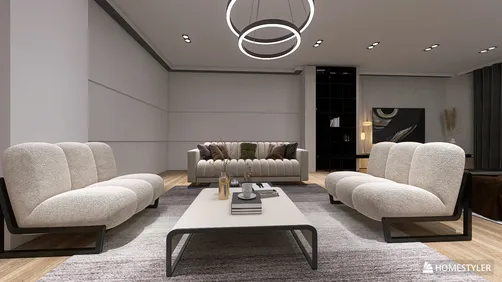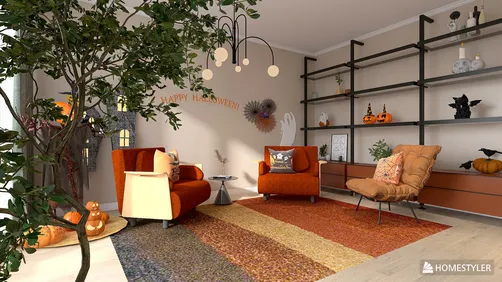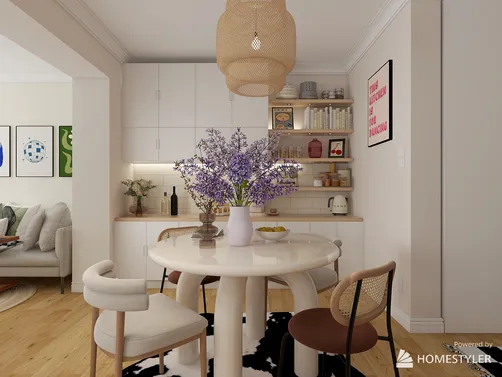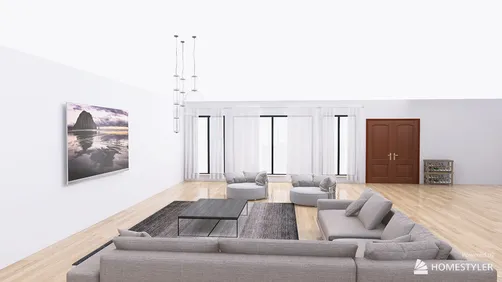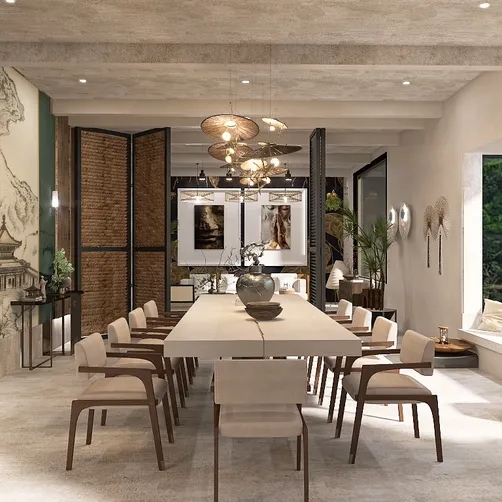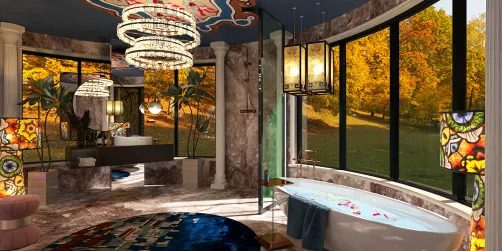
As the future unfolds, families are adapting to balancing remote work, managing children's schedules, and prioritizing wellness—all within the same space. Surveys from AIA and NAHB consistently reveal that flexible rooms and home office zones are no longer considered luxuries; they are essential components. This realization is why I turn to modern family house two-story 3D floor plans as indicators for tomorrow’s living spaces. To address these evolving needs, I utilize a spatial reasoning toolkit that transforms requirements into an organized and welcoming environment that accommodates change.
Ground-Level Layout + Upper Retreat
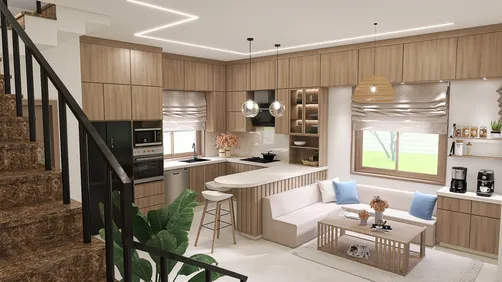
Design Philosophy: The arrangement features public spaces below and private areas above, creating a balanced division that absorbs noise and manages schedules effectively, much like a dual-core processor designed for hybrid lifestyles and future aging-in-place adaptations.
Circulation Path: The sequence moves from the entry to the drop zone, then to the kitchen hub, dining area, living room, and out to the patio; the centrally located stairs minimize cross-traffic and optimize movement.
Visual Connectivity: The kitchen offers views to the play area and yard as the primary focus, while glimpses of the stairs and study nook provide insights into the home's activity levels.
Storage Solutions: A wall-depth pantry, hidden bench cubbies, and under-stair storage ensure quick access to essentials without creating visual clutter.
Furniture Arrangement: The dining area accommodates 6 to 8 chairs within a 9-10 ft span; the living area is proportioned for a 96-inch sofa and two chairs, while the island is designed to seat three, avoiding unnecessary bulk.
Conclusion: This structural backbone alleviates weekday chaos and provides a tranquil upstairs space dedicated to rest and concentration.
save pin
Segmented Flexible Core with Pocket Office
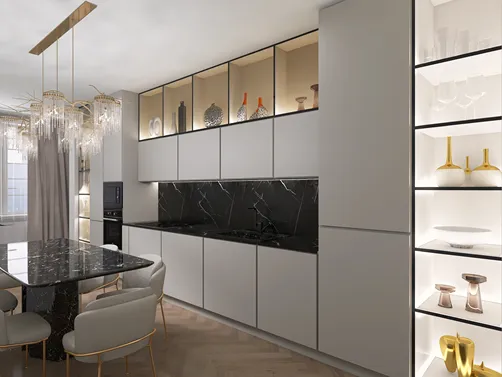
Design Philosophy: A central flex room serves as a versatile hub—functioning as an office during the day and transitioning into a lounge or guest area at night—adapting to the evolving dynamics of family life.
Circulation Path: The route flows from the garage to the mudroom, then to the flex core and kitchen, allowing kids to access their homework station before heading to the snack area.
Visual Connectivity: Translucent doors grant privacy while maintaining awareness from the kitchen to the flex core and entry, enhancing the home's usability.
Storage Solutions: Shallow wall bays, a printer drawer, a cable chase, and clearly labeled files keep storage organized and easily accessible.
Furniture Arrangement: The desk spans 60-72 inches, accompanied by a sleeper loveseat footprint and a fold-flat table at a 30-inch depth to prevent space congestion.
Conclusion: By managing variability at the center, the outer areas remain coherent, allowing the home to evolve seamlessly without reworking its foundational logic.
save pin
Loft Area as a Social Conduit
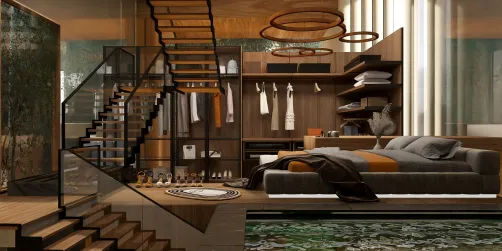
Design Philosophy: Upstairs, a loft replaces traditional corridors with an inclusive space that accommodates play, study, and relaxation cycles among the bedrooms.
Circulation Path: The staircase leads to the loft hub, with the primary suite on one side and children's rooms on the opposite, while the laundry room is conveniently positioned along the route to reduce trips.
Visual Connectivity: A partial open railing allows parents to maintain awareness of their children without intruding on privacy; natural light flows through from front to back.
Storage Solutions: A linen tower serves as a central storage area, with built-in furniture in bedrooms facilitating local storage needs, streamlining the retrieval process.
Furniture Arrangement: The loft can comfortably fit a 75-inch sofa or two desks at 48 inches each, while bedrooms accommodate a queen bed and 24-inch side tables without hindering movement.
Conclusion: The loft functions as a social space with flexible capacity, ensuring rooms remain restful and the overall floor plan remains adaptable for the future.
save pin
Final Insights
Modern family house two-story 3D floor plans are more than just visual representations; they serve as actionable blueprints for daily living, designed to adapt to work, play, and rest. Variants such as two-story layouts, 3D modeling, and hybrid zoning starkly illustrate how precision in design trumps mere bigness. In my experience, the homes of the future won't be defined by their size but by their intentionality, and I consistently observe that small spatial choices can significantly transform family dynamics for the better, especially when tools like Homestyler are utilized for planning.
Homestyler is your go-to online platform for home design! With its user-friendly design tool, impressive 3D renderings, and a plethora of DIY video tutorials, you can effortlessly create and visualize your dream spaces. Elevate your home design journey today!