

I once hastily installed a swing arm lamp upside down during a late-night project — my client quipped that it resembled a piece of modern art. This amusing mistake taught me the importance of taking my time and highlighted how a simple swing arm wall light can elevate a small nook into a stunning focal point. It’s amazing how much inspiration small spaces can ignite.
1. Versatile Bedside Lighting with Adjustable Swing Arms
I have a fondness for placing swing arm wall lights beside beds as they provide targeted reading illumination while clearing valuable space on nightstands. The adjustable arm allows you to direct the light precisely where you need it, catering to different reading preferences of partners. However, be mindful that wiring behind headboards can be tricky; therefore, consider hiring a professional or opting for plug-in versions if you're renting.
save pin
2. Kitchen Task Lighting Above Prep Areas
In a recent small kitchen renovation, I installed short swing arms above prep areas to minimize shadows while ensuring the backsplash remained visible — this cost-effective enhancement had a significant impact. Swing arms are excellent for focused task lighting and create a layered illumination effect without the bulkiness of traditional fixtures. Just remember to account for clearance with cabinet doors and select finishes that can withstand grease accumulation.
save pin
3. Living Room Accent Lighting for Artwork and Shelves
Swing arm wall lights excel at illuminating artwork or rotating display shelves due to their ability to easily adjust the beam direction. I have incorporated them in rental living rooms to create a gallery atmosphere without installing permanent ceiling lights. The key challenge lies in achieving the right balance between beam width and glare; for optimal control, choose adjustable shades or dimmable bulbs.
save pin
4. Space-Saving Home Office Lighting
In compact home offices, I often mount a swing arm light next to the desk to provide focused task lighting while keeping the workspace organized. This setup alleviates eye strain and allows me to adjust the light for video calls or sketching sessions. Planning for installations near power outlets is crucial — consider incorporating an in-wall switch or effective cord management solutions for a tidy appearance. You can visualize such setups conveniently using tools like Homestyler, which assists in planning layouts for tight spaces.
save pin
5. Versatile Bathroom Vanity Lighting — Pay Attention to Ratings
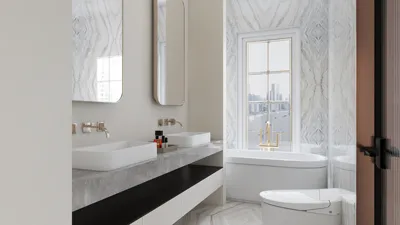
Placing a damp-rated swing arm light beside a bathroom mirror can provide adjustable lighting for grooming tasks. I once replaced fixed sconces with swing arms in a narrow powder room, resulting in a more flexible and modern feel. Just ensure you select fixtures with the correct IP ratings and corrosion-resistant finishes, particularly near showers.
save pin
Tips 1:
For an affordable installation, opt for plug-in swing arm wall lights featuring a well-designed cord channel. If a sleeker appearance is desired, consider hardwiring to a switch and potentially adding a dimmer to adjust the ambiance. I frequently use free floor plan software to create layouts and assess sightlines before making any permanent changes.
save pin
Tips 2:
Match the swing arm length to its intended use: 12–18 inches for bedside reading, 8–12 inches for compact kitchen spaces, and longer arms are best for living room accents. Pair with LED bulbs to ensure low heat output and longevity — I recommend warm white for cozy areas and cool white for work zones.
save pin
FAQ
Q1: What are the primary uses for swing arm wall lights?
A1: Swing arm wall lights are perfect for focused tasks such as reading, grooming, or accentuating artwork, as their adjustable arms allow for precise light direction.
Q2: Can I install a swing arm wall light by myself?
A2: Plug-in models are straightforward to install on your own; however, hardwired versions should typically be handled by a qualified electrician to comply with local codes and ensure safety.
Q3: Are swing arm lights appropriate for bathroom use?
A3: Yes, as long as they have the appropriate damp or wet rating (IP44 or higher) when installed near showers. Opt for finishes that resist corrosion to enhance durability.
Q4: What type of bulbs work best with swing arm lights?
A4: LED bulbs are ideal due to their energy efficiency, reduced heat emission, and longevity. Choose the color temperature to set the mood: 2700–3000K for warm, inviting light, and 3500–4000K for clear task lighting.
Q5: How can I determine the right arm length for my needs?
A5: Match the arm length to its function — shorter arms are suitable for cramped counters, while longer arms work well for reading nooks. Measure the distance from the mounting point to the typical working area to avoid unexpected issues.
Q6: Do swing arm lights require unique installation methods?
A6: Most are designed to mount onto a standard electrical box, but heavier fixtures may necessitate reinforced mounting plates. Always refer to the manufacturer’s instructions concerning weight limits.
Q7: Where can I experiment with layout options prior to purchase?
A7: I often sketch my ideas or use a 3D floor planner like Homestyler to explore placement, lighting angles, and space clearance for furniture before making any final decisions.
Q8: What design trends are currently popular for swing arm wall lights?
A8: Contemporary finishes such as matte black, brushed brass, and satin nickel are trending; many manufacturers now offer integrated LED models as well. For safety and specifications regarding fixtures, it's wise to consult datasheets from manufacturers or trusted lighting standards like the IES (Illuminating Engineering Society).
save pin
Discover the ultimate home design experience with Homestyler! This user-friendly platform offers a powerful online design tool, stunning 3D renderings, and a wealth of inspiring design projects. Plus, with DIY video tutorials, you'll have everything you need to transform your space effortlessly.
Дизайн сейчас бесплатно
































