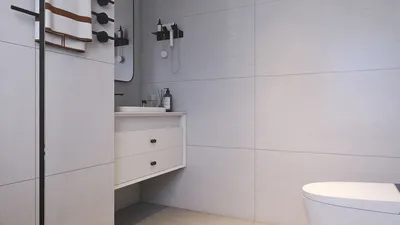


I once encountered a situation where a pocket door got stuck during installation because I misunderstood the stud layout — the homeowner humorously remarked that it was my initiation into DIY. This minor setback imparted a valuable lesson: the selection of a door significantly impacts the layout in compact bathrooms. Working with small spaces often ignites creative solutions, and pocket doors have become one of my preferred techniques for saving space. In this article, I'll present five practical pocket door solutions I've implemented in actual projects, drawing from my decade-long expertise and some entertaining client requests.
1. Standard recessed pocket door for narrow hallways
The standard recessed pocket door seamlessly slides into the wall, allowing for maximum use of the narrow corridor or compact bathroom area. I've utilized this strategy in studio apartments where traditional swinging doors would obstruct access to a washer or towel rack. It's a stylish and nearly invisible option; however, it’s crucial to check for wall studs, plumbing, and electrical wiring before proceeding — accurate measurements can prevent future complications.
save pin
2. Frosted glass pocket door for communal bathrooms
Looking to enhance natural light flow between spaces while maintaining privacy? A frosted glass pocket door serves as an excellent compromise. I specified one for a compact Jack-and-Jill bathroom, allowing morning sunlight to filter through, which brightens both bedrooms. It's a chic and airy design choice, but be sure to select high-quality frosted glass to minimize fingerprints and ensure suitable opacity.
save pin
3. Pocket barn door featuring soft-close hardware
If your style leans towards rustic or industrial, a pocket barn door marries charm with functionality. I integrated a pocket-style barn door during a condo renovation — the soft-close mechanism eliminated disruptive slams, helping to ensure that guests wouldn’t wake children. The main challenge is making sure the pocket cavity is equipped to handle the heavier door weight, and that the track is aligned accurately by professionals.
save pin
4. Double pocket doors for master suites
In slightly larger but still compact designs, double pocket doors provide a more grand entrance without sacrificing floor space. I installed paired pocket doors between a bedroom and bathroom to create a hotel-inspired reveal that stays open when entertaining and can be closed for added privacy at night. Although synchronizing the tracks and locks adds a layer of complexity, the visual rewards make it worthwhile.
save pin
5. Pocket door incorporating towel storage
For ultra-compact bathrooms, I’ve designed a pocket door that cleverly conceals slim towel rails or hooks on its face — consider it as gaining storage directly from the door itself. One particularly unique client appreciated this design in a powder room, reducing clutter while keeping towels accessible. Be mindful that such a design could be more expensive and slightly heavier, so it’s wise to plan for adequate track support and reinforcement.
Before deciding on any pocket door, I suggest inspecting the wall cavity beforehand and considering ventilation, as pocket doors can influence airflow in a small bathroom. If you're visualizing layouts, tools like the 3D floor planner can help convey ideas to clients swiftly and avoid surprises during the construction phase.
save pin
FAQ
Q1: Are pocket doors suitable for bathrooms? A1: Absolutely — they conserve floor space, enhance flow in cramped areas, and can be equipped with privacy locks. Just ensure that the wall cavity has enough space for the door and any built-in services.
Q2: Do pocket doors affect privacy? A2: Contemporary pocket doors with appropriate seals and locks provide sufficient privacy; opt for quality hardware and consider a solid-core door for improved sound insulation if that’s a priority.
Q3: What is the cost of installing a pocket door? A3: Installation expenses can vary significantly depending on your location and the complexity of the job, but anticipate higher labor costs than with a traditional hinged door due to the framing and track requirements; it’s prudent to budget for reinforcement and quality components.
Q4: Is it feasible to retrofit a pocket door into an existing bathroom? A4: In many cases, retrofitting is possible if the wall can be opened up and plumbing or wiring can be rerouted; alternatively, a surface-mounted barn-style pocket door might be a simpler solution.
Q5: What kind of maintenance do pocket doors require? A5: Regular track cleaning, lubrication, and roller checks are essential to keep them operating smoothly. Additionally, soft-close features may need periodic adjustments.
Q6: Are pocket doors compliant with accessibility standards for bathrooms? A6: Accessibility regulations can differ; some areas require specific opening widths and maneuvering space. Always verify local building codes or refer to an accessibility guide, such as the ADA Standards (U.S. Department of Justice).
Q7: Can pocket doors support heavy items like mirrors or storage? A7: They can, but it’s necessary to reinforce both the door and the track to manage added weight; consult your contractor and choose hardware designed to accommodate such loads.
Q8: How can you prevent issues with a pocket door getting stuck? A8: Proper installation, correct alignment of the track, and maintaining the pocket cavity free from insulation or debris are crucial. Should issues arise, a professional can adjust rollers or replace worn parts.
save pin
Homestyler is your go-to online home design platform, perfect for all skill levels. With its user-friendly design tool, stunning 3D renderings, and a wealth of DIY video tutorials, you can effortlessly create and visualize your dream spaces. Transform your home with ease!
Дизайн сейчас бесплатно
































