

Selecting a wedding venue in Chennai involves both emotional connection and practical considerations of space. My focus is on locations that excel in capacity, flow, acoustics, and lighting, as the success of any wedding relies heavily on the comfort of guests in terms of movement, visibility, and auditory experiences. In the context of Indian weddings, aspects such as seating arrangements and unobstructed views often determine the overall guest experience. Efficient layouts can help avoid congestion while maintaining a sense of intimacy during the ceremony, all without sacrificing space availability. For those looking to enhance their design process, tools like Homestyler can assist in visualizing these layouts.
For comfort and wellbeing, establishing measurable targets is essential. According to WELL v2 standards, ambient sound should be kept below 45 dBA in occupied areas to promote relaxation, while speech privacy can be improved through clever absorption and zoning techniques. When designing lighting for a wedding hall, I strive for a general illumination of 350–400 lux at seating areas and up to 500–700 lux at the stage for optimal photography, complemented by warm tones of 2700–3000K during crucial moments, which adds to the overall atmosphere.
Space Planning: Capacity, Flow, and Sightlines
In Indian wedding venues, I aim for aisle widths of 1.2 to 1.4 meters along main pathways to accommodate traditional attire and photographers. Elevating the stage between 600 to 900 mm ensures guests have a clear view of the ceremony without feeling disconnected from the couple. If the event features a sangeet or dance performance, providing a clear floor space of at least 50 to 60 square meters encourages movement and interaction. For banquet seating, a service corridor measuring 1.5 meters behind food counters is crucial to maintain dining flow. When planning the seating arrangements for the Srimathi Alamelu Marriage Hall venue, utilizing a layout tool like Homestyler allows me to preview and refine guest flow and table layout before securing vendors.
Lighting Strategies for Ceremonies and Photography
Layered lighting is vital: ambient for overall comfort, task for service areas, and accent for highlighting rituals. During the muhurtham, it's important to employ dimmable warm white fixtures, maintaining a temperature between 2700 and 3000K to soften shadows on participants’ faces and enhance the visibility of gold jewelry. For photography purposes, adding high CRI (90+) LED spotlights at 500–700 lux can greatly improve stage conditions, taking care to use glare shields to maintain unobstructed sightlines for guests. Uplighting along backdrop drapery can minimize harsh shadows from overhead lights. Emergency lighting should maintain 10–20 lux along exit paths, tested individually to ensure photographers can manage scene lighting safely.
Understanding Color Psychology in Decor Design
Color plays a significant role in influencing mood and energy levels. Vibrant reds and marigold yellows can invigorate rituals, while softer hues like jade green or pale blush create a calming effect in dining and lounge areas. Research indicates that bold colors like reds can elevate heart rates and generate excitement. Balancing these vibrant tones with neutral table linens helps mitigate visual overload. Incorporating metallic accents—such as antique gold or copper—adds warmth under lighting conditions of 3000K or lower. Use matte finishes for large surfaces to avoid glare in photographs, reserving reflective elements for key focal features such as the mandap canopy and entryways.
Sound Management: Enhancing Speech Clarity
Controlling reverberation is crucial for vows and announcements. Targeting a reverberation time (RT60) of 0.9 to 1.2 seconds in spacious venues is advised. Utilizing drapery, carpet runners, acoustic panels behind the stage, and upholstered seating can effectively reduce echo while maintaining the celebratory atmosphere. If live music or DJ performances are included, positioning speakers away from hard corners can minimize booming sounds. It's also advisable to place subwoofers away from the mandap to ensure speech clarity, keeping background music volume under 70 dBA in dining areas so that older guests can engage in conversation comfortably, adhering to wellness principles.
Optimizing Guest Movement: Arrival, Ceremony, Dining, and Photography
Weddings consist of various phases, each demanding different spatial requirements. I delineate four key areas: guest arrival and gifting, ritual space (mandap and stage), dining service, and photography backdrops. Establishing a 3 to 5-meter buffer at the entrance is beneficial for accommodating garlands and gifts as well as welcoming families. Photo backdrops should be strategically placed away from main walkways with designated queuing ropes; positioning two parallel backdrops can significantly decrease wait times during events with 400 to 600 guests. Ensuring hand wash stations and restrooms are within a 30 to 40-meter radius from dining areas enhances guest convenience. If the Srimathi Alamelu Marriage Hall has outdoor space, utilizing it for candid photography or children's play can create a more relaxed atmosphere on the main floor. By trying various aisle arrangements with an interior layout planner, issues can be identified before decorative setups commence: using tools like Homestyler can facilitate this process.
Material Choices: Combining Style and Practicality
Given the climate in Chennai, it's crucial to select breathable fabrics and materials that withstand humidity. Cotton and silk blends provide both style and functionality, allowing for elegant drapery without excessive sheen. Anti-slip runners near buffet lines are necessary, as glossy marble can become hazardous when wet. Stage surfaces should utilize matte laminate or textured wood to avoid reflective glare. Sustainable floral choices, such as local marigold and jasmine, along with reusable brass or cane components, can reflect a commitment to eco-friendliness. It's equally important to ensure that decor is fire-safe and that cable management is effective, utilizing gaffer tape along walls for a tidy appearance.
Prioritizing Comfort, Ergonomics, and Accessibility
Seating height should ideally range from 430 to 460 mm to accommodate a variety of guests. Ensuring a minimum clearance of 900 mm around wheelchair users and reserving front-row seats for elders with unobstructed views is essential. Buffet counters should have a height of 900 to 950 mm to facilitate ease of access for both servers and guests. Handrails along steps leading to the stage can assist in managing sari drapes. For areas designated for lactation or quiet retreats, a small space of 6 to 8 square meters with comfortable seating and ambient lighting of 3000K is advisable.
Power Management, Climate Control, and Vendor Coordination
It's critical to confirm electrical load requirements early on, as stage equipment, DJ gear, kitchen appliances, and photography setups can rapidly exceed ordinary capabilities. A dedicated 3-phase power line with individual circuits for audio and lighting can help avoid interference from hum or flicker. Given the heat typical of Chennai, maintaining indoor temperatures between 22 and 25 degrees Celsius with consistent airflow is essential; airflow should be directed away from the mandap to protect the flame during rituals. Providing vendors with a comprehensive plan that details cable paths, service areas, and storage locations helps keep the venue organized.
Stage and Mandap Design: Proportion and Rhythm
I carefully design the stage using a golden ratio of 1:1.6 for backdrop dimensions to create visual cohesiveness. The positioning of mandap columns should be 700 to 900 mm from the couple, ensuring unobstructed photography. Floral arrangements should be concentrated around focal points such as the entrance arch and centerline of the backdrop, allowing for an organized visual hierarchy. Avoid excessive layering of drapery that could compete visually with the couple’s attire; let the garments themselves set the color scheme.
Dining Experience: Ensuring Efficient Service
For seated meals, I estimate 60 to 75 minutes per serving cycle for gatherings of 300 to 400 guests. Utilizing staggered service with two mirrored lines can optimize queue management. Placing dessert stations furthest from the stage encourages flow away from primary focal points. Adequate back-of-house space for food preparation—ideally 20 to 30 square meters—can significantly decrease congestion in dining areas.
Photography and Videography: Creating Cohesive Visuals
Collaborating closely with photographers is key to setting optimal light positions and maintaining consistent color temperatures. To avoid complications with white balance, stick to similar ambient color temperatures, keeping general lighting at 3000K and accent lights between 3200 and 3500K. Matte backdrops in muted color palettes can assist in ensuring skin tones appear natural. A clear pathway of 2 to 3 meters for cameras along the central aisle with side steps for alternative angles ensures guest comfort is prioritized.
Preparation and Rehearsal Sessions
Conducting a walkthrough on the evening before the event helps familiarize vendors and family members with the planned flow. A brief rehearsal of around 20 minutes can allow us to assess transitions in lighting, audio levels, and entry timings. Designating a floor coordinator to oversee queuing at the photo backdrop and to shield the couple from unexpected crowd dynamics immediately following the ceremony can enhance the event experience.
Budgeting Wisely for Maximum Impact
Investing resources where they yield the highest return—lighting, acoustics, and guest circulation—is key. The aesthetics are greatly enhanced when elements like spatial design function effectively. Many wedding venues offer basic packages, but customizing your layout and lighting approach frequently results in the most notable increases in comfort and enjoyment.
Frequently Asked Questions (FAQs)
When organizing seating with banquet tables, ensure 1.5-meter service corridors and maintain a stage height of 600 to 900 mm to retain clear sightlines for 300 to 600 guests, depending on hall structure and column placements.
Maintain ambient lighting of 2700 to 3000K during ceremonies to highlight both skin tones and gold accents, utilizing 3200 to 3500K for stage-centric portraits. Aim for 350 to 400 lux at seating areas, increasing to 500 to 700 lux at the stage in accordance with IES recommendations.
Incorporate soft surfaces like drapery and carpet runners combined with upholstered seating and acoustic panels behind the stage. Target an RT60 of around 0.9 to 1.2 seconds for clarity in speech during the ceremony.
Design primary aisles at widths of 1.2 to 1.4 meters, while lateral cross-aisles should range from 1.0 to 1.2 meters to facilitate smooth movement for sarees, photographers, and service personnel.
Certainly! Implementing two parallel backdrops with queue barriers can halve wait times while preventing obstruction of dining traffic. Position these aside from the main pathways and incorporate a small waiting area to improve flow.
Divide buffet service into mirrored stations, ensuring a clearance of 1.5 meters behind counters, and position dessert tables away from the performance stage to disperse guest traffic effectively.
Utilize a width-to-height ratio of 1:1.6 for backdrops, keeping mandap columns between 700 and 900 mm from the couple while avoiding excessive layering that distracts from the attire.
Set the HVAC system to maintain temperatures between 22 and 25 degrees Celsius with even airflow distribution; confirming a 3-phase power setup while utilizing separate circuits for audio and lighting helps prevent audio issues.
Absolutely! Tools such as layout simulation applications enable you to virtually experiment with seating, stage placement, and guest traffic to identify potential issues well before the event.
Incorporate energizing colors like reds and marigold near the mandap, balanced with cooler greens or blush tones in dining areas. Prioritizing matte finishes can significantly reduce glare in photographs.
Homestyler's roots trace back to Autodesk, the global leader in design and engineering software. That heritage lives on in every feature we build. Today, with a community of more than 18 million users worldwide, Homestyler continues to make professional-quality interior design accessible to everyone — from first-time decorators to seasoned architects.

Minimalist Concrete Large Planter Pot with Greenery 3D Model
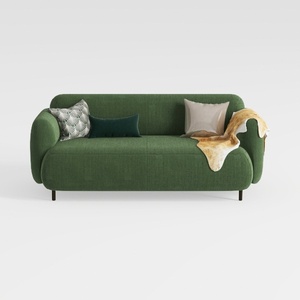

Minimalist Dark Green Fabric Loveseat Sofa with Decorative Pillows 3D Model

Modern Lime Green Fabric Loveseat Sofa with Throw Pillows 3D Model
Homestyler is your go-to online platform for home design! With its user-friendly design tool, stunning 3D renderings, diverse design projects, and helpful DIY video tutorials, you'll effortlessly transform your space and unleash your creativity. Perfect for both beginners and seasoned designers!
Дизайн сейчас бесплатно
































