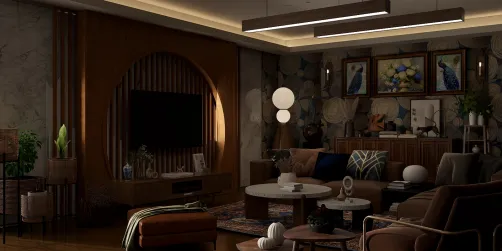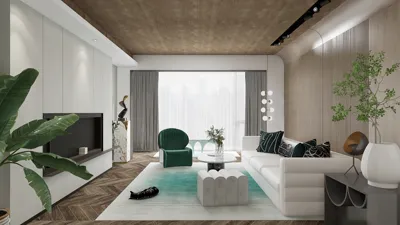
I have designed numerous compact living room layouts where the television is positioned above the fireplace. The most successful designs always focus on meticulous sightline management, thermal regulation, and uncomplicated, layered aesthetics. In smaller spaces, maintaining a visual balance is essential: ensure the focal wall is tidy, conceal cable runs, and favor subtle proportions over oversized elements.
From an ergonomic standpoint, I strive to keep the center of the screen about 15-20° below eye level when seated; however, placing the TV above a mantel often raises this height. Research from Steelcase highlights that prolonged elevated viewing can lead to increased neck strain and fatigue. By limiting viewing angles and adding recline support, discomfort can be significantly reduced. The WELL v2 guidelines underscore the importance of controlling glare and ensuring visual comfort, reminding us to avoid reflective finishes near the fireplace and utilize dimmable, layered lighting to minimize eye fatigue. To ensure safety concerning heat, keep televisions within the manufacturer-recommended heat thresholds and incorporate a mantel or heat deflector to divert heat away from electronic components.
Sizing, Clearances, and Sightlines
In smaller rooms, it's crucial to select a TV size based on viewing distance rather than just wall dimensions. A useful guideline would be to maintain a distance of 7-8 feet for a 50-55" television to achieve a balanced layout in compact spaces. Centralize the screen with the main seating line, and lower the mount if the height of the mantel permits. Should the mantel be positioned high, consider a slight tilt mount to enhance eye-line alignment and alleviate neck strain. In cases where fireplace surrounds are elaborate, simplify the area around the TV to prevent visual clutter.
Heat and Material Strategy Around the Hearth
Fireplaces emit both radiant and convective heat; therefore, it's essential to protect electronics with a deep mantel lip, a heat-resistant barrier, and finishes that are non-reflective. I prefer to avoid shiny stone below the screen to minimize glare. Choosing natural stone or honed porcelain tiles not only ensures durability but also achieves a softer light reflection. Keep cable management organized within a ventilated chase, and if you're planning your wall layout, consider using a room design tool like Homestyler to aid in testing furniture arrangements.
Lighting Layers to Fight Glare
To prevent the screen from becoming the brightest object in the room, layer ambient, task, and accent lighting thoughtfully. According to IES guidelines, comfortable living spaces typically achieve an ambient light level of 100-300 lux. Utilize dimmable sconces on the chimney breast to balance luminosity, and choose warm-white LED lights (between 2700-3000K) to ensure the hearth's inviting nature is maintained. Avoid directing downlights straight at the TV; instead, angle trims away or apply wall-wash optics to reduce stark contrasts. Adding bias lighting behind the television can also alleviate perceived eye strain during evening viewing.
Seating Comfort and Micro-Adjustments
In scenarios where the TV is elevated beyond the ideal height, adjust seating ergonomics to maintain comfort: slight recline, proper lumbar support, and a headrest can help sustain neutral posture. Research by Steelcase on posture variety indicates that changing positions over time is beneficial for users; utilizing a swivel chair or chaise lounge allows for periodic adjustment and reduces static strain. In compact rooms, opt for moderate seat depths (20-22") to ensure knees align comfortably while allowing for a gentle recline.
Color Psychology for a Softer Focal Wall
Utilizing darker, desaturated colors surrounding the television can diminish perceived glare and allow the screen to blend into the background when turned off. Insights from color psychology shared by Verywell Mind suggest that blues and muted greens foster a calming atmosphere, ideal for a room centered around a fireplace. If a warmer palette is preferred, consider colors like clay, taupe, or walnut, which harmonize softly with firelight while minimizing reflections.
Storage, Cable Discretion, and Balance
Incorporate narrow media niches or a low credenza next to the fireplace to hide devices and streamline cable management. Ensure vents remain accessible and consider using mesh or acoustically transparent panels to prevent overheating. Although symmetry can enhance the perception of space in small rooms, it’s important not to overdo it; one cabinet in combination with a reading chair can provide a balanced look beside the hearth just as effectively as two mirrored units.
Acoustics in Compact Living Rooms
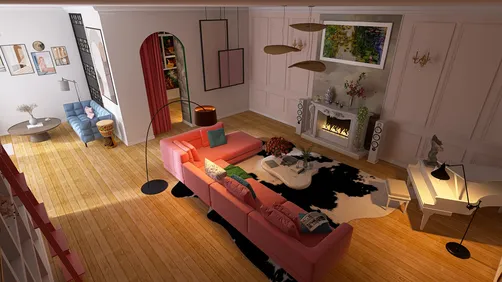
Fireplace walls are often made of hard, reflective materials. To counteract this, introduce softer elements opposite the hearth: plush rugs, lined curtains, and upholstered furniture can lessen echo effects. Position a soundbar slightly below the television or on the mantel lip to ensure dialogue remains anchored to the screen; angle it towards the primary seating area and avoid enclosing it within cabinetry. Placing a small subwoofer off-axis can help smooth bass without overwhelming a confined room.
Proportion, Rhythm, and Visual Calm
Ensure that the thickness of the mantel, the TV frame, and the surrounding lines are in harmony—an oversized mantel paired with a slim TV frame can appear unbalanced. I recommend maintaining a ratio of 1:1 to 1:1.3 between the visible height of the TV and the vertical opening of the fireplace, ensuring negative space is retained on either side. Employ one cohesive material palette (e.g., honed stone combined with matte paint) and limit accessories to three varying heights to create an orderly rhythm.
Modern Fireplace Options for Tech Safety
Electric fireplace inserts produce lower surface heat and more predictable clearances, thus reducing the risk to nearby electronics. If utilizing gas or wood-burning units, adhere to the manufacturer's clearance specifications and perform heat assessments: operate the fireplace, measure the temperature above the mantel with an IR thermometer during peak usage, and verify it against the TV’s specifications. If temperatures exceed recommended limits, employing a heat shield or relocating the screen is a responsible decision.
Day-to-Night Flexibility
Implement dual circuits or smart dimmers to easily transition from bright day-time tasks to a cozy evening movie environment. Utilize sheer-lined drapery or light-filtering roller shades to soften the daylight that hits the screen while safeguarding privacy. Lighting options with a 90+ CRI make skin tones appear more natural, and warm dim technologies help retain the hearth's inviting ambiance after dark.
Layout Moves That Save Space
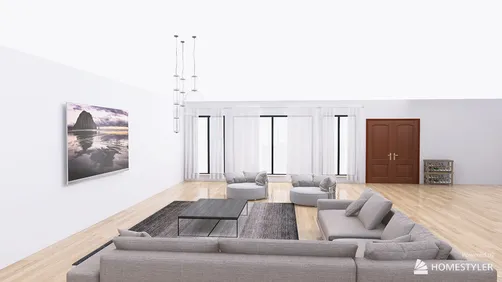
Slightly pull the sofa away from the wall to enhance airflow and facilitate cable routing. In elongated rooms, angling a lounge chair towards the fireplace can break the linear feel of the space. When assessing layouts, employing an interior layout planner can provide valuable insights into optimizing traffic flow and sightlines with tools like Homestyler.
Installation Details I Don’t Skip
- A slight downward angle on the mount to decrease neck strain
- A conduit for future cable modifications, complete with a generous pull string
- A robust mantel or heat deflector to safeguard electronics
- Bias lighting situated behind the screen to minimize eye strain
- Ventilated cabinetry for electronic components and soundbar clearance
- An uncomplicated remote IR repeater if cabinet doors are shut
FAQ
Q1: What is the ideal height for placing a TV above a fireplace in compact living spaces?
A: Position the center of the screen as low as your mantel allows, usually around 8-12 inches above the mantel edge, using a tilt mount for optimal viewing angles. Aim for a line of sight approximately 15-20° below eye level for maximum comfort, adjusting seating recline as needed.
Q2: Can the heat from a fireplace damage my TV?
A: Yes, it can if the clearances and temperatures exceed the specifications for the TV. Utilize a heat-deflecting mantel, maintain proper ventilation, and check with an IR thermometer during peak fireplace operation. If temperatures approach the TV's limits, consider installing a heat shield or relocating the unit.
Q3: What are some effective ways to minimize glare on the TV screen?
A: Opt for matte finishes around the fireplace area, avoid downlights pointed at the TV, employ dimmable sconces, and consider adding bias lighting behind the television. Keep ambient lighting around 100-300 lux and choose warm-white LEDs (2700-3000K) for comfort.
Q4: Which TV size is most suitable for a small living room?
A: The size should correlate with viewing distance. For a seating distance of 7-8 feet, a 50-55" television is ideal. Oversizing in compact environments can lead to increased eye strain and may overwhelm the focal wall.
Q5: How can I effectively hide cables while preventing components from overheating?
A: Use ventilated cabinetry or mesh panels for cable routing, run cables through conduits with pull strings, and ensure clearance around receivers and soundbars. Avoid cramming devices into tight, unventilated spaces.
Q6: What colors are best for ensuring the TV blends seamlessly with a fireplace focal wall?
A: Dark, desaturated colors—such as charcoal, deep blue, and muted green—help reduce contrast and minimize glare. Calm shades like blue and green promote relaxation, aligning perfectly with rooms centered around a fireplace.
Q7: Is a soundbar sufficient for achieving good audio in a small living room?
A: Generally, yes. Position it near the TV to better anchor dialogue, add a compact subwoofer off-axis for enhanced bass, and soften your room with rugs and curtains to help reduce reflections.
Q8: Are electric fireplaces preferable for setups where the TV is positioned above?
A: Typically, they create lower and more consistent heat at the wall surface, which better protects electronics. For gas or wood-burning options, always follow the manufacturer’s clearance guidelines and apply thermal control.
Q9: How can I arrange furniture around the fireplace and TV without overcrowding the space?
A: Slightly float the sofa away from the wall, angle a chair towards the fireplace to create a more inviting layout, and utilize a layout simulation tool to optimize traffic flow and sightlines.
Q10: What lighting temperature is recommended for a cozy yet clear picture?
A: Using warm-white lighting (2700-3000K) with dimmable options fosters a cozy ambiance and minimizes harsh reflections. Keep task lights off-axis relative to the TV, and integrate wall washing rather than direct illumination.
Homestyler is an ideal platform for your home design needs. With its user-friendly online design tool, stunning 3D renderings, and a wealth of DIY video tutorials, you can easily create and visualize your dream spaces with confidence and creativity.








![Design [4]](https://hs-designs.homestyler.com/production/design/images/07c2de3a-88ec-4be8-8910-ff255b795bc2/1731419398293/7841697.jpg?x-oss-process=image/resize,w_502,m_mfit/format,webp)