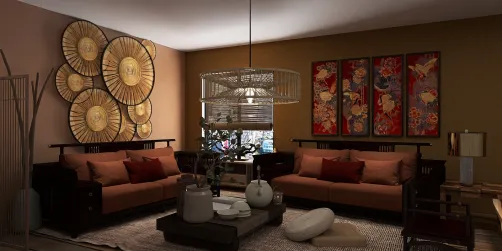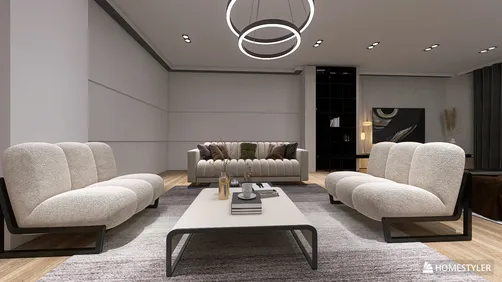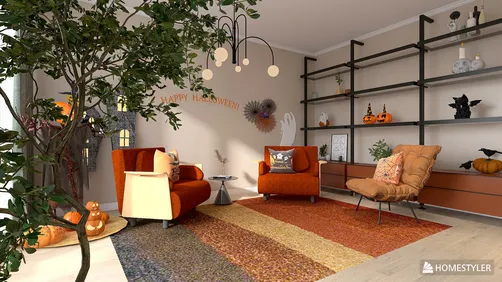
As we navigate the future, many current homes continue to grapple with storage constraints and inefficient layouts. In designing a ground floor plan of 1373 sq ft, I conceptualize it as a living operating system—each room functioning as a module, and every doorway acting as a connective thread. This approach aligns with the rising demand for quiet efficiency over sheer size. Insights from the market reveal that homebuyers now prioritize functional flow and organized storage, making this ground floor an experimental platform for this evolving trend. Here, the foundation is a toolkit for spatial reasoning, with the key phrase—ground floor plan of 1373 sq ft—functioning as an essential command in this design process.
Central Spine Plus Split Zones
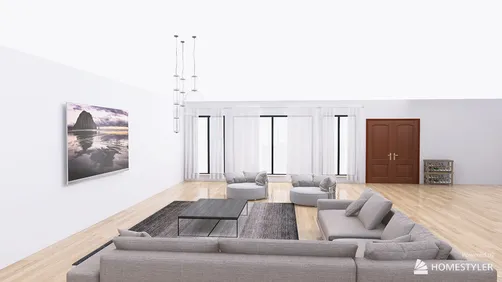
Design Logic: A central spine for circulation bifurcates public and private spaces, allowing daily activities to proceed smoothly. Future living styles require segmented bandwidth to function effectively.
Flow: The pathway moves from entry to drop zone, then into the living core, kitchen hub, and finally out to the terrace; the primary suite branches off, creating a secure subroutine.
Sightlines: Layered from door to window to garden; user interface clarity ensures the living core is visible from the entry, while privacy is enhanced beyond the central spine.
Storage: The hallway wall serves as an array for storage, equipped with coat niches, pantry pull-outs, and a concealed cleaning station, all optimized for frequently used items.
Furniture Fit: An 84" sofa, a 72" x 36" table, and an island measuring 8' with 42" clearances are designed with API limits that correspond to human usability and latency.
Verdict: This split architecture is designed to adapt to hybrid work-home rhythms, maintaining stability as daily tasks consolidate within the ground floor.
save pin
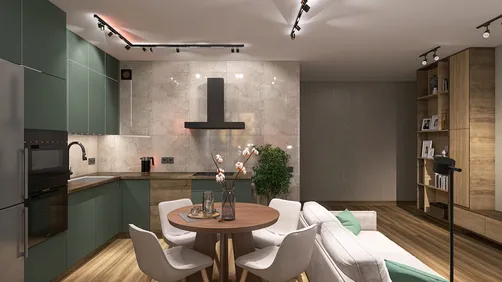
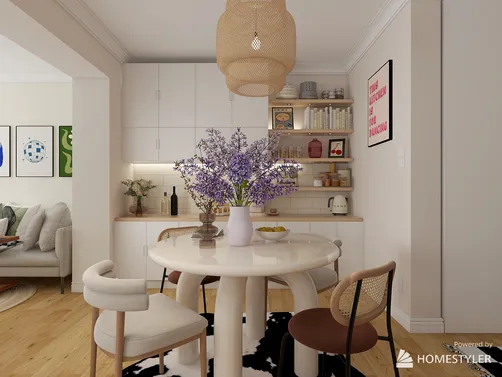
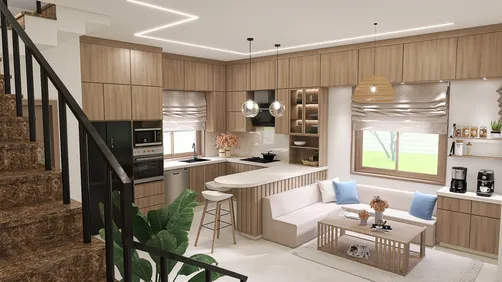
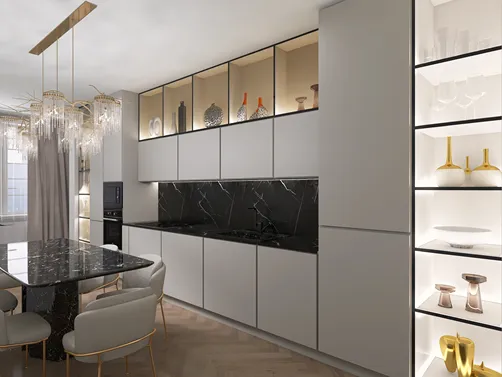
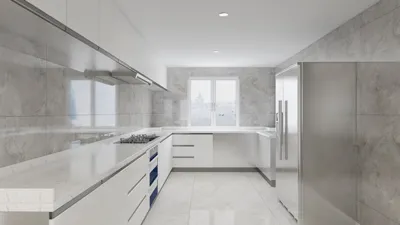
Kitchen Hub and Micro Office
Design Logic: The kitchen acts as the central command node, paired with a micro office to support the simultaneous completion of domestic and digital tasks.
Flow: The sequence goes from grocery access to mud bench, then pantry, fridge, prep, cooking, and serving; a side desk manages calls, calendars, and device charging.
Sightlines: The kitchen island provides a clear line of sight to the living area, while a shielded cooktop maintains cleanliness; the desk brings in natural light without exposing clutter.
Storage: A vertical pantry, deep drawers, and overhead bins create tiered storage; the office desk includes a cable well and a document slot for quick access.
Furniture Fit: With a 36" tall counter and island seating at 24" depth, and a 48" x 24" desk, the clearances of 30" provide space that is compact yet comfortable for usage.
Verdict: This multi-functional hub effectively scales for various activities without disruption, enabling cooking and user interactions to occur in distinct, efficient channels.
save pin
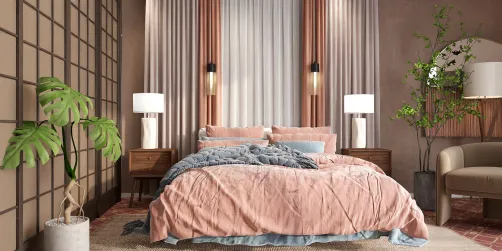
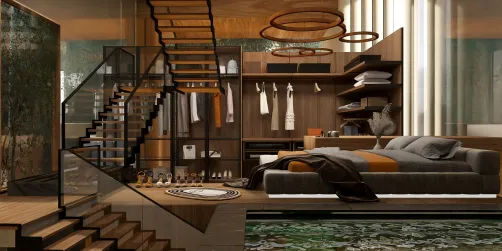
Primary Suite and Flex Room
Design Logic: The design includes a stable resting area alongside an adaptable space; sleep requires stability while life necessitates flexibility—this plan accommodates future adaptations.
Flow: Suite entry leads to a wardrobe, then bath, and sleeping area; the flex room can transform between guest space, studio, or play area, operating as a flexible function.
Sightlines: The bed wall offers a visual barrier, and the flex room features regulated transparency to the main living area—this thoughtfully maintains an information hierarchy.
Storage: The suite contains dual closets as mirrored caches; the flex room incorporates a storage wall with adjustable shelves, allowing for evolving storage needs over time.
Furniture Fit: The 60" x 80" queen bed is positioned with a 30" clearance; the flex room is designed for a 72" sleeper sofa and foldable table, with bathroom fittings aligned ergonomically.
Verdict: This combination anticipates the evolution of household structures, enabling the 1373 sq ft layout to compile and accommodate future roles seamlessly.
save pin
Final Thoughts
A ground floor plan of 1373 sq ft focuses not merely on square footage, but rather on the interplay of flow, sightlines, and storage, functioning as a cohesive system. Variants such as entry sequences, kitchen hubs, and flexible nodes transform area into operability. In my projects, considerations like efficient mudroom layouts and dedicated remote workspaces find their ideal placements within this footprint. Experience suggests that the homes of the future will not necessarily be larger, but rather more intentional, emphasizing thoughtful design choices such as those provided by tools like Homestyler.

If you’re looking to redesign your home, Homestyler is your go-to online platform! With user-friendly design tools, stunning 3D renderings, and a wealth of design projects and video tutorials, you can effortlessly transform your ideas into reality. Start your design journey today!