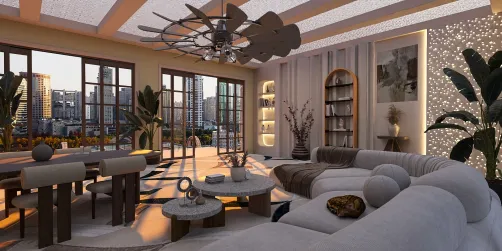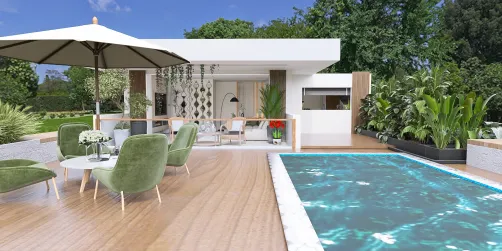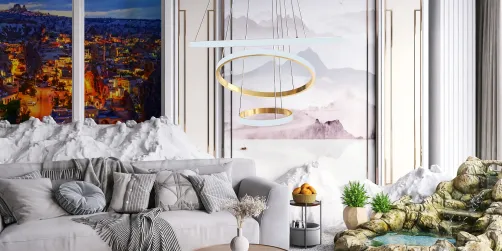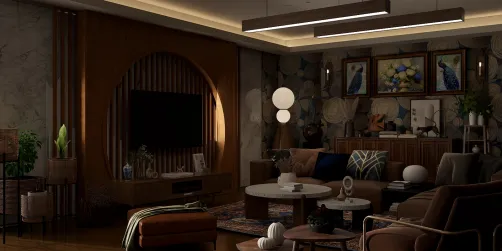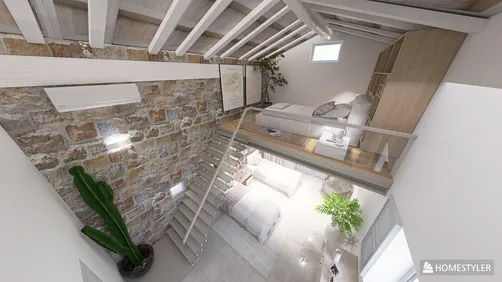
When designing compact living areas within pole barns, it's essential to create an atmosphere that feels spacious, comfortable, and long-lasting without unnecessarily increasing the square footage. Aligning the architectural structure, layout, and human experience from the outset is crucial. The WELL v2 framework recommends achieving illumination levels of 300–500 lux for general living spaces and 500 lux for areas dedicated to specific tasks, providing a solid foundation for effective lighting design rather than relying on guesswork. Research by Steelcase indicates that access to natural light leads to a 15% improvement in well-being among workers, highlighting that a well-considered glazing strategy in pole barns is vital for measurable comfort. Gensler's ongoing studies show that improved spatial clarity and access to daylight are linked to better performance, and these concepts can be seamlessly applied to smaller residential environments, enhancing their functionality with tools like Homestyler.
Outline the Building Envelope First
In the realm of pole barn construction, the structural grid influences every design aspect. I begin by determining bay spacing that meets both garage/storage functions and residential zoning requirements, typically opting for 10–12 ft bays that provide a balance between vehicle access and interior modularity. Key aspects such as insulation and air sealing, particularly in the ceiling and floor, are pivotal for comfort. I integrate window placements within structural bays to prevent costly adjustments later on and to facilitate cross-ventilation. Utilizing the WELL v2 guidelines on daylight and glare helps me choose the appropriate glazing materials and shading techniques, ensuring that indoor lighting remains within a healthy range while minimizing glare on screens and reflective surfaces. For layout purposes, I prefer placing living spaces on the south or southeast side to capture morning sunlight while mitigating overheating in the afternoons.
Balancing Space Ratios and Flow
Compact living demands a strategic approach to space ratios. My goal is to achieve a 60:40 division between public and private areas—integrating kitchen, living, and dining into one expansive area, while clustering bedrooms and bathrooms nearby. Circulation should not exceed 12–15% of the total area, maintaining efficiency. Clear sightlines through the main passageway enhance the sense of spaciousness, while strategically defined micro-zones promote intuitive behavior. Utilizing a room layout tool allows for the visualization of furniture dimensions, traffic patterns, and door movements prior to actual construction, greatly assisting in the design process encouraged by tools like Homestyler.
Lighting Strategy: Layered and Glare-Free
In small spaces, effective lighting should be layered and gentle. I implement a three-tier lighting approach: ambient (indirect pendants or linear LEDs), task (under-cabinet lighting or reading lamps), and accent (wall grazing lights or small downlights). Adhering to the Illuminating Engineering Society (IES) standards helps define target lux levels and glare reduction metrics, ensuring comfort for the eyes in confined areas. For general living spaces, I specify light temperatures of 2700–3000K to create a cozy atmosphere, while 3500–4000K is ideal for kitchens and work areas where visual accuracy is essential. Dimming capability on all circuits adds versatility. Sconces and uplighting on the barn’s high walls leverage vertical space without casting harsh shadows on the floor. Skylights equipped with diffusion features provide soft overhead light, while shades are included to regulate solar gain effectively.
Ensuring Acoustic Comfort in Open Spaces
Pole barns tend to carry sound quite well, leading to potential echoing. To address this, I use a mix of sound-absorbing and sound-dispersing solutions: acoustic ceiling clouds above living areas, plush rugs, soft seating, and strategically placed bookcases. It's crucial to ensure that kitchen exhaust fans maintain low noise ratings since sound travels quickly in compact layouts. To minimize noise transmission, I stagger framing members or introduce resilient channels between living spaces and workshop areas, while also situating mechanical installations outside of sleeping zones.
Kitchen and Bathroom: Focus on Ergonomics and Ease of Cleaning
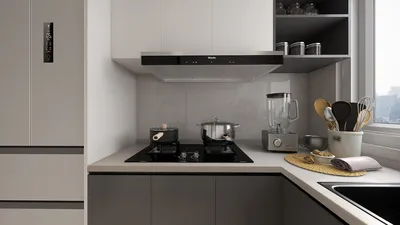
Within small barns, kitchens serve significant functions. I design them with a working triangle of 7–9 ft, incorporating 42-inch aisles and ample task lighting at counter locations to minimize shadows. Induction cooktops not only lower the need for extensive ventilation but also enhance indoor air quality. For bathrooms, I recommend pocket doors to conserve space and wall-hung toilets for easier maintenance. Storage should be positioned between 18–54 inches from the floor for ergonomic accessibility, utilizing pull-out pantries instead of deeper cabinets that often become overwhelming storage pits.
Understanding Color Psychology and Material Choices
Colors can significantly influence perceived space and mood. I opt for light, warm neutrals to create a calming atmosphere; introducing a single vivid accent color (such as deep teal, olive green, or rust) adds character to the living area without being overpowering. According to Verywell Mind’s insights on color psychology, blue and green tones are particularly soothing, so I allocate them for bedrooms and cozy reading nooks. Materials selected for pole barns need to be practical and resilient: sealed plywood, oiled woods, limewash, and mineral-based paints outlast vinyl-laden finishes in fluctuating humidity. Matte surfaces help in reducing glare, and I prefer floors with a minimum impact rating of 55+ IIC to mitigate sound transmission across the slab.
Achieving Thermal Comfort and Mechanical Zoning
Establishing a well-insulated envelope is the first step; the second is deploying appropriately sized systems. Mini-split heat pumps facilitate zoned control without disruptive ductwork. I strategically position thermostats away from external walls and register vents to prevent inaccurate readings. Ceiling fans fitted with downrods designed for the height of the barn promote air circulation at minimal energy costs. Additionally, I incorporate energy recovery ventilation (ERV) to ensure a balanced fresh air supply without sacrificing conditioned air.
Storage Without Visual Clutter
Effective storage solutions rely on strategic use of edges. I incorporate full-height cabinets along commonly used pathways, shallow wall niches for quick access to everyday items, and under-stair drawers if a loft is present. Open shelving is reserved for curated displays; all other items are kept behind closed doors to minimize visual clutter. Hooks and rails positioned near entrances help prevent equipment overflow into living areas. In workshops, I maintain a clearance of at least 6 ft between living doors and tool zones to control both dust and sound pollution.
Selecting Furniture Scale and Versatile Options
Compact living spaces thrive on adaptable and modestly sized furniture. Ideal choices include a 72–78 inch sofa, armchairs with open bases, nesting tables, and drop-leaf dining options. Benches with storage capacity at entryways and wall-mounted desks that can fold away are practical. Platform beds with built-in drawers in bedrooms diminish the need for bulky dressers. It’s best to avoid oversized sectionals that can obstruct flow and disrupt sightlines.
Daylight, Privacy, and Sightlines
Strategically placed windows on opposing walls promote cross-ventilation and enhance visual depth. In living areas, I implement semi-transparent shades to maintain privacy while allowing daylight. Translucent interior doors separating bedroom and living areas can share light without compromising sound insulation when paired with solid core doors.
Budget Planning and Phasing for Projects
Financial resources should first focus on the envelope and mechanical systems prior to any finishing work. I prefer to phase construction so that the shell, insulation, and systems are secure before upgrading finishes later. Electrical layouts are organized with future-proof configurations, including junction boxes positioned for potential additions like pendants or ceiling fans. A layout simulation tool can facilitate quick options testing for adjustments without disrupting any existing structures—making tools like Homestyler invaluable in the process.
Common Pitfalls to Avoid
The most frequent mistakes include choosing oversized furniture, neglecting storage considerations, skipping acoustic treatments, and limiting glazing to a single wall front. Equally, relying exclusively on downlights can cause glare and uneven light distribution in taller spaces, which should be addressed for a more balanced ambiance.
Frequently Asked Questions
Aim for approximately 300–500 lux in living spaces and 500 lux on surfaces intended for specific tasks, following guidance from IES standards and WELL v2 recommendations. Utilize window treatments to mitigate glare effectively.
10–12 ft bay spacings effectively balance vehicle clearance, storage solutions, and room configurations. This spacing streamlines the framing process for partitions and window placements.
To control sound, utilize a combination of acoustic ceiling clouds, area rugs, upholstered furniture, and bookcases. Create a sound barrier between workshop walls with resilient channels to prevent noise crossover.
For living spaces, implement 2700–3000K lighting for warmth; 3500–4000K is recommended for kitchens and work areas to enhance clarity. Ensure all circuits have dimming options.
Introducing a loft can create dynamic volume and additional storage; however, be sure to check for adequate headroom and egress. This space can function as a sleeping area or storing solutions, thus keeping the main area open and airy.
Mini-split heat pumps provide efficient zoned temperature control with minimal duct requirements. Pair this system with ERV for consistent and balanced fresh air circulation.
Adopt modular furniture, track-mounted lighting, and pre-wired junction boxes to readily incorporate future fixtures. Before finalizing arrangements, employ an interior layout planner to test out different setups.
Opt for materials like sealed plywood, oiled hardwoods, limewash, and mineral paints as they handle environmental changes better than thinner laminates. Choose low-VOC finishes and matte surfaces to suffice noise control and avoid glare.
Maintain a distance of 6 ft for separation, incorporate sealed doors, and ensure there’s a dedicated exhaust system for workshop areas. Keep return air registers away from dusty zones to maintain air quality.


Homestyler is the go-to online platform for all your home design needs. With its user-friendly design tool, impressive 3D renderings, and a wealth of inspiring DIY video tutorials, you can effortlessly create stunning interior spaces that reflect your unique style. Try it today!








![Design [4]](https://hs-designs.homestyler.com/production/design/images/07c2de3a-88ec-4be8-8910-ff255b795bc2/1731419398293/7841697.jpg?x-oss-process=image/resize,w_502,m_mfit/format,webp)