Utilizing an outdoor light timer can significantly enhance the way you manage your exterior lighting. This setup not only bolsters your home’s security but also offers convenience and adds to the overall ambiance of your outdoor spaces. Let’s delve into the process of optimizing your outdoor lighting system!
Familiarizing Yourself with the Timer
Before commencing with the installation process, it’s crucial to understand the type of timer you have. Outdoor light timers typically fall into two main categories: mechanical and digital. While mechanical timers allow for simple on and off scheduling via a dial, digital versions offer programmable settings for specific days and times, making them more flexible and user-friendly.
How to Configure Your Outdoor Light Timer
1. **Select an Ideal Location**: Choose a convenient spot for your timer that is sheltered from extreme weather conditions. Position it near a power outlet to facilitate effective concealment of any wiring.
2. **Connect Your Timer**: For timers that plug in, secure it to an outdoor electrical outlet. If you have a hardwired unit, follow the installation instructions closely to ensure safety throughout the setup process.
3. **Set the Current Time**: For digital timers, start by inputting the correct current time, ensuring the AM/PM setting is correct. Mechanical models require you to adjust a dial to match your local time as per a clock.
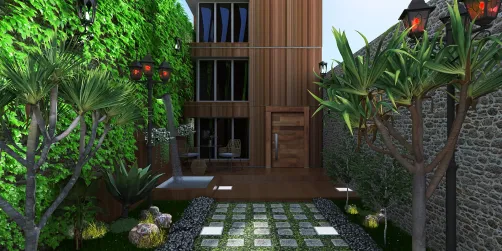
4. **Program On/Off Times**: Establish when you want your lights to turn on and off. For example, you might want garden lights to glow from dusk till midnight. Configure these timing preferences in line with your specific timer model, consulting the user manual for precise guidance.
Verifying Your Timer's Functionality
Once your timer is configured, it’s essential to test its performance. Observe the lights over the course of several nights to confirm they activate as intended. Adjust the settings if necessary, as it’s not uncommon for initial configurations to need some tweaking!
Frequently Encountered Problems and Their Solutions
In case your outdoor lights do not respond as expected, first check the power source connected to the timer, verify your programmed settings, and ensure that the bulbs are operational. Sometimes, reset the timer can resolve minor glitches. Don’t hesitate to refer to the manual for troubleshooting specifics related to your model.
Common Questions
Q: Is it possible to set up my outdoor light timer to operate at different times on different days? A: Yes! Many digital timers, including advanced options like those supported by Homestyler, allow you to create custom on/off schedules for each day, making your lighting more adaptable to your changing preferences.
Q: Are outdoor light timers designed to be safe in adverse weather conditions? A: Most outdoor timers are built with weather-resistant features. Always ensure that the connections remain dry and protected during inclement weather to ensure optimal performance.
Experience home design like never before with Homestyler! This user-friendly online platform features a powerful design tool, stunning 3D renderings, inspiring design projects, and helpful video tutorials. Whether you're a newbie or a pro, bring your design ideas to life effortlessly!