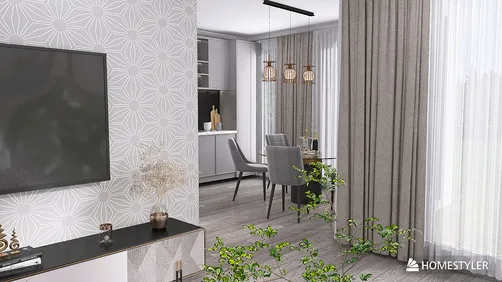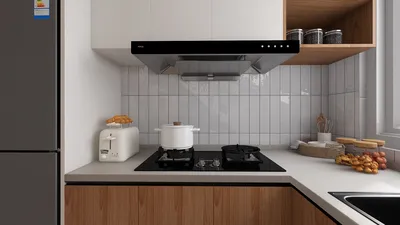
Having redesigned and revamped various small living spaces like horse trailers, I've consistently found the ideal layout: a compact, serene, and easy-to-clean environment that’s perfect for short trips. A weekend camping setup requires a dependable sleeping area, a functional kitchenette for quick stops, and clever storage solutions that maximize headroom while minimizing unnecessary weight.
The scale of a living space is critical. According to research by Steelcase, better control over one’s environment greatly enhances comfort and satisfaction; this is especially true in smaller spaces where flexible furniture and user-friendly storage can help maintain clear surfaces. Lighting plays a vital role as well; the Illuminating Engineering Society (IES) suggests that kitchen prep and reading should use task lighting between 300–500 lux, while restful areas can be dimmer, around 100–200 lux. By achieving these ratios, a 12–14 ft living quarters can appear more spacious and serene.
Usability during travel hinges on thermal comfort and ergonomics. The WELL v2 guidelines stress the importance of temperature and sound control for wellbeing in compact environments, while research from Herman Miller connects proper posture support to reduced fatigue—critical when a bench doubles as a workspace. I recommend designing seat heights at 17–18 inches, countertops at 34–36 inches, and ensuring at least 24 inches of space for movement, even while wearing boots.
Layout Techniques for a 12–14 ft Weekend Retreat
In most two-horse bumper-pull models with a compact living quarter, I prefer a kitchen on the curbside, storage and utilities on the streetside, and a forward sleeping area. When planning a new build or renovation, using a lightweight room layout tool can help you visualize door swings, slide-out sections if needed, and ensure adequate clearance for seating conversions.
- Opt for a short queen or RV full mattress with a breathable, removable cover. Maintain 18–20 inches of kneeling space at the foot to facilitate making the bed.
- Incorporate a shallow niche at the head of the bed equipped with dimmable reading lights (300–400 lux) and dual USB-C/AC outlets. Using fabric-covered headboard panels not only softens the decor but also absorbs road noise without adding bulk.
- A compact 24–30 inch layout featuring a single-bowl sink, induction cooktop, and pop-up work surface optimizes food prep space without obstructing the aisle. Induction cooking also minimizes heat output and enhances safety when stationary.
- Overhead storage units at 10–12 inches deep prevent head bumps; heavier items should be stored in toe-kick drawers or low cabinets to keep the center of gravity lower.
- A bench-dinette on the streetside should convert into a single sleeping area. Aim for 24 inches of seat depth and 6–7 inches of cushion thickness with medium-firm foam. The bench should include hidden storage that allows easy access while minimizing stress during extraction.
- For wet baths, keep the design 24–28 inches wide, utilizing a pocket door to avoid swing conflicts. A molded shower pan with an integrated threshold can serve as a boot tray when not in use.
Calming Lighting, Colors, and Sounds in Your Living Space
Effective lighting solutions make a significant difference in a compact trailer. Warm-white ambient LEDs in the 3000–3500K range soften hard surfaces, while you can elevate task areas (cooktop, reading) to 300–500 lux with glare-free fixtures. I strategically place night lights at ankle height to prevent startling the horse during nighttime visits.
Utilizing low-chroma neutral colors can reduce the feeling of clutter. Soft greige walls, matte sage or sandy cabinetry, alongside a singular accent (like charcoal hardware or a woven runner), help to keep cognitive load low. Research from Verywell Mind indicates that balanced, muted color schemes help reduce stress and visual fatigue which is particularly beneficial after a long journey.
Sound is as crucial as light. Utilize mass-loaded vinyl underlayment in the living area floor and acoustic fabric panels on select wall spaces to diminish road vibration. Rubber isolation grommets should be placed where cabinet boxes meet the trailer frame to minimize rattling.
Cargo Solutions That Go the Distance
- Full-height pantries with 12–14 inch shelves and soft bungee cords across the front can help organize and prevent items from shifting. Clearly label compartments for easy retrieval during camp setups.
- Install ceiling nets wherever headroom permits; if space is limited, prioritize shallow overhead storage and under-bench drawers with locking slides.
- Designate a mud area by the entryway with a drip tray, hooks rated for 35–50 lbs, and a vented storage solution for footwear.
Materials and Finishes Engineered for Mobility
- Walls: Use lightweight composite panels with a wipeable matte finish to reduce glare and scuff marks. Corner guards on high-contact edges are a must-have.
- Flooring: Choose woven vinyl or coin rubber for improved grip and easy maintenance; consider adding a removable woven runner for warmth and comfort.
- Countertops: Compact laminate or lightweight solid surfaces; rounding the edges can improve comfort in tight spaces.
- Hardware: Opt for compression latches and positive catches throughout. Employ marine-grade hinges and aluminum frames to keep weight down.
Ventilation, Temperature, and Safety Essentials
I implement cross-ventilation with a roof fan featuring reversible airflow, coupled with a low intake vent near the kitchenette. Insulating with closed-cell foam ensures thermal stability and minimizes condensation, while reflective window shades are recommended for sunny locations.
Install a combo smoke and CO alarm near the sleeping area, place a fire extinguisher by the entrance, and hard-mount a first-Aid kit. Non-slip stair treads help maintain stability when entering during muddy conditions.
Electrical and Water System Setup
- Electrical: Implement LED lighting throughout with separate circuits for ambient and task lighting, each controlled by individual dimmers. Pre-wire for a 200–300W portable solar panel and a DC-DC charger from the towing vehicle. Ensure inverters are properly ventilated and easily accessible.
- Water: A 15–25 gallon fresh water tank suffices for weekend trips; use it in conjunction with a low-flow spray head and an on-demand water heater. Opt for PEX piping with crimp fittings to withstand vibrations and simplify maintenance.
Ergonomics and Human Factors in Compact Spaces
A small space doesn’t equate to discomfort. I strive for: a 24 inch clear aisle; 30 inches of space in front of the galley; 15 inches of toe-kick depth to promote stability; and 34–36 inch counter heights. For seating, angles supportive of the lumbar region (100–110 degrees) decrease fatigue. Research compiled by Herman Miller highlights the importance of optimal seat dimensions for endurance—a needful factor after a long day of riding and travel.
Ideal Floor Plans for Weekend Getaways
- Single Bed + Dinette: A fixed front bed, compact galley on the curbside, and streetside dinette that converts to a twin mattress. This configuration suits solo travelers or couples desiring a permanent sleeping arrangement.
- Bunk Options: If additional sleeping space is necessary, adding an upper fold-down bunk above the dinette provides an extra bed without sacrificing aisle room.
- Wet Bay Design: Position a wet bath opposite the kitchen, ensuring a 24 inch passage; utilize a pocket door to prevent interference. An interior layout simulator can help you test dimensions before proceeding—using tool like an online interior layout planner allows you to experiment with various arrangements without uncertainty.
Aesthetics with Functionality
Keep the color scheme light and airy—utilize matte surfaces to diminish glare, incorporate textures that mask dust, and feature a singular design element like a slatted wood headboard or leather pulls for a stylish touch without adding weight. A washable wool blend throw can enhance warmth and tactile experience.
Cost and Weight Recommendations
- Focus your budget on structural integrity, insulation, and quality lighting. These elements will be felt journey after journey.
- Cut redundancy in drawer space; utilize modular bins hidden behind doors to stay organized.
- Monitor tongue weight as you install different components. Keep heavier items low and centered around the axle line to maintain stable handling.
Quick Specification Checklist
- Ambient lighting should be 3000–3500K; task zones require 300–500 lux with glare control
- Aisle width minimum of 24 inches; counter heights between 34–36 inches; seating heights of 17–18 inches
- Fresh water tank capacity of 15–25 gallons; a reversible roof fan; reflective window tints
- Use compression latches; marine-grade hinges; coin rubber or woven vinyl flooring
- Include composite wall panels; radius-edge counters; and accents made of acoustic fabric
Frequently Asked Questions
For one or two occupants, a 12–14 ft living quarter is practical with a fixed bed, streamlined kitchenette, and convertible dinette. Ensure to maintain a minimum aisle width of 24 inches for comfortable movement.
Use warm ambient lighting providing around 100–200 lux for relaxing moments, while reserving 300–500 lux for tasks like meal preparation and reading, in accordance with IES guidelines for optimal task performance.
If you frequently camp in areas lacking facilities, it's feasible. Maintain the wet bath narrow (24–28 inches), implement a pocket door, and let the shower pan function as a mud tray when necessary.
Use durable composite wall panels, coin rubber or woven vinyl flooring, compact laminate counters, and secure compression latches. These materials resist wear-and-tear, clean easily, and remain intact under movement.
Adequate insulation using closed-cell foam, a reversible roof fan, and low intake vent, paired with reflective shading, ensure effective cross-ventilation, preventing stale air accumulation and moisture issues.
Low-chroma neutral shades, such as greige, sandy tones, or soft sage, with matte finishes diminish glare and visual clutter. Color psychology studies indicate that softer hues can lower levels of stress and the perception of disorder.
To ensure stability during travel, position heavier items low and close to the axle, utilize locking slides, add soft bungee cords across shelving, and implement positive latches on all cabinets and drawers.
LED lighting throughout, a 100Ah house battery with DC-DC charging from the vehicle during travel, and a portable solar panel rated at 200–300W cover primary needs including lighting, ventilation, and charging devices.
Maintain a seating height of 17–18 inches with a back angle between 100–110 degrees, and counter heights set at 34–36 inches. These specifications adhere to ergonomic principles and enhance comfort while dressed for the outdoors.
Decouple cabinet installations with rubber grommets, utilize mass-loaded vinyl on the floor of living quarters, and apply fabric panels strategically on walls to absorb unwanted vibrations during transport.

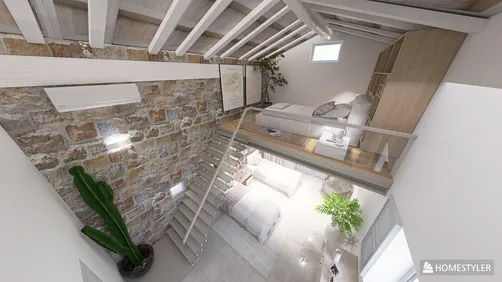
Homestyler is an exceptional online platform for anyone looking to transform their space. Its user-friendly design tool, stunning 3D rendering options, and an array of inspiring design projects, paired with informative video tutorials, make home design enjoyable and accessible for all skill levels!
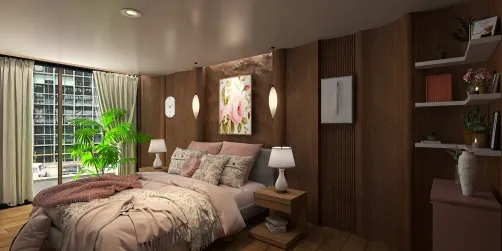



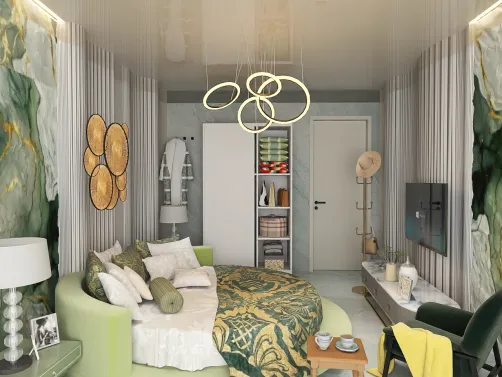





![Design [4]](https://hs-designs.homestyler.com/production/design/images/07c2de3a-88ec-4be8-8910-ff255b795bc2/1731419398293/7841697.jpg?x-oss-process=image/resize,w_502,m_mfit/format,webp)