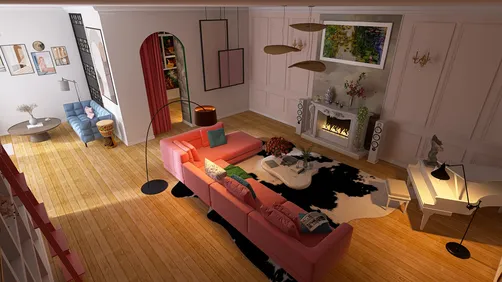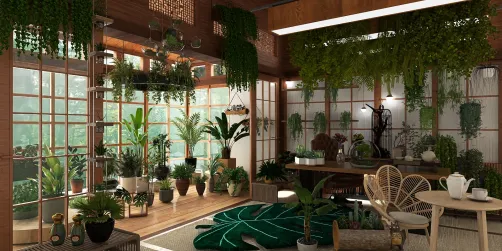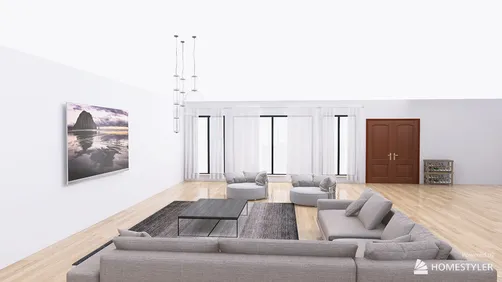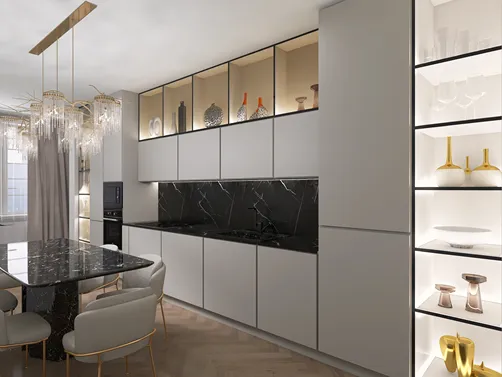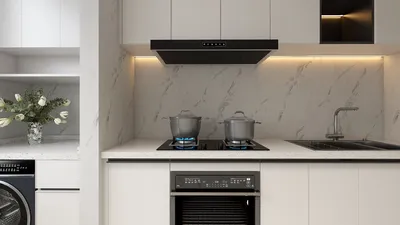
I have designed and specified stoves for cabins, garden rooms, and compact urban living spaces where every square foot and each BTU is crucial. The ideal wood-burning stove for a small room achieves a balance of appropriate heat output, clean combustion, and aesthetic simplicity. A common pitfall is oversizing, which can result in stifling heat, fluctuating temperatures, and incomplete combustion. Properly matching the stove size to the room's volume and insulation level ensures comfort and minimizes emissions, making the use of Homestyler even more effective for visualizing the ideal setup.
Performance data highlights the importance of accuracy. The WELL Building Standard v2 emphasizes maintaining thermal comfort in the 20–24°C range during winter, while radiant asymmetry controls alleviate discomfort. Research from Steelcase links thermal comfort and personal climate control to productivity and well-being in compact workplaces, validating the need for consistent heat delivery over merely overwhelming output. To complement the lighting, I often match stoves with low-glare, warm 2700–3000K ambient lighting to enhance comfort without increasing heat load.
How to Size a Wood Stove for a Small Room
Begin by calculating the room's volume (length × width × height) and assessing insulation quality. A well-insulated small room (approximately 120–200 sq ft with 8–9 ft ceilings) may require stoves in the 3–5 kW range. Rooms with poor insulation or high ceilings may need 5–7 kW, but only if it can be operated cleanly. Focus on achieving steady burns instead of smoldering; smaller fireboxes equipped with superior secondary combustion technology facilitate this process. If positioning the stove in a corner or creating a seating area around it, a room layout tool such as Homestyler can help visualize clearances and circulation.
Heat Output, Efficiency, and Clean Burn Technology
Prioritize stoves with certified clean-burn features—such as secondary air systems, baffle designs, and airtight doors. An excellent small stove should provide over 75% efficiency under typical testing conditions and allow precise air intake control to prevent overfiring. Ensuring airtightness prevents room air from excessively feeding the fire and minimizes drafts. My preference tends to lean towards compact stoves that provide a clear view of the flames even at low burn rates; users are more likely to keep the glass clean because they appreciate watching the fire, aligning with better operational care and efficiency.
Ventilation, Clearances, and Safety
Combustion byproducts can be more pronounced in small rooms. It's essential to have a dedicated outside air supply in tightly sealed spaces and to adhere to the manufacturer’s specifications for flue diameters and heights to ensure a stable draft. Using non-combustible hearths and wall shields is crucial; consult local codes for clearance reductions when using certified shielding. A magnetic thermometer on the flue can help maintain optimal burn ranges, preventing soot buildup. For nighttime operations, include a low-level CO detector and a sealed window trickle vent if the door remains closed.
Material Selection and Visual Cohesion
Cast iron offers even, radiant heat and has a classic appearance, whereas steel stoves react more quickly, suitable for modern environments. In small rooms, finishes like matte black or deep charcoal visually minimize the stove, integrating it seamlessly rather than allowing it to dominate the space. The materials surrounding the stove are also vital: dense masonry placed behind it can gently store and release heat, while light-colored, non-glossy wall finishes help reduce glare and visual clutter. I frequently complement the stove with a textured ceramic or terrazzo hearth, which protects the floor and introduces tactile variety without overwhelming the visuals.
Lighting Environment and Acoustic Comfort
Utilize warm, low-glare ambient lighting (2700–3000K) with strategically placed task lights to eliminate reflections from the stove's glass, ensuring a cozy atmosphere. Following IES guidelines, careful selection of luminaires and their shielding can reduce obtrusive glare that might make small spaces feel cramped. While the gentle crackle of a fire can be soothing, thin walls or hard surfaces can amplify sound. Incorporating a wool rug and soft upholstery can absorb sound reflections; this added absorptive area enhances speech clarity and creates a more serene atmosphere.
Color Psychology and Behavioral Influences
Colors can significantly affect heat perception. According to insights from Verywell Mind's color psychology, warm tones can enhance the feeling of warmth. For compact spaces, I prefer softer neutrals—like sand, mushroom, or olive-gray—over deeper reds or oranges close to the stove. The objective is to create a soothing thermal environment where individuals feel comfortable lingering without overheating. The optimal seating distance ranges from 1.2 to 1.8 m from the stove, ideally positioned with low benches or lounge chairs angled away from direct radiant spots.
Spatial Ratios, Layout, and Circulation
Ensure unobstructed pathways are maintained and a corridor of 0.9-1.0 m is clear past the stove, particularly if doors swing into the heat zone. Ideally, position the stove to cast radiant heat over the room's largest area for even warmth distribution. Corner installations can be effective in very small spaces, but pay close attention to geometry—create a triangulated seating arrangement to prevent congestion. A layout simulation tool, such as Homestyler, can help visualize seating, storage, and safety buffers around the stove.
Fuel, Operation, and Sustainability
Opt for well-seasoned hardwood (moisture content under 20%) for clean burns. Keep kindling within reach but outside clearance zones. Begin operation with the air control fully open during ignition, then taper it to maintain a vigorous, active flame rather than allowing it to burn low. From a sustainability standpoint, using a small, efficient stove combined with enhanced insulation and smart ventilation reduces overall fuel usage and particulate emissions. Access to locally sourced, responsibly harvested wood also lessens the environmental impact as compared to long-distance fuel sources.
Shortlist: Efficient and Stylish Small-Room Stoves
When creating a shortlist of stoves, I focus on compact fireboxes, high efficiency, clean glass technology, user-friendly controls, and a minimalist aesthetic. Sleek steel models with pedestal bases complement modern minimalist rooms, while low-profile cast iron stoves with arched windows suit rustic or traditional interiors. Ensure the stove offers an outside air kit, meets certified low emissions standards, and can accommodate your flue path without awkward turns. Maintain a compact footprint while providing a generous view of the flames, as in small spaces, the fire contributes to the room's visual rhythm.
Integration with Small Workspaces
In garden offices and studios, steady thermal comfort is key for maintaining focus. Insights from Steelcase emphasize the importance of individual climate control—temperature fluctuations can be detrimental to concentration. A small stove equipped with reliable air control paired with a programmable ventilation strategy can ensure a consistent environment. Keep paper storage and electronic devices away from the immediate heat zone; a small, closed-design steel log holder can help minimize visual clutter.
Checklist Before Making a Purchase
- Determine the room volume and desired kW range.
- Confirm local code clearances and hearth specifications.
- Ensure there’s outside air provision if the structure is tightly sealed.
- Plan the flue route to minimize bends; verify height for optimal draft.
- Choose finishes and surrounding materials that promote thermal, acoustic, and aesthetic harmony.
- Utilize a layout simulation tool to plan the arrangement and flow around the stove, ensuring safety and accessibility: layout simulation tool.
- Select properly seasoned fuel storage and secure accessories.
Authority Insights
For comprehensive comfort standards and the correlation between workplace performance and personal control, the WELL v2 outlines strategies for thermal comfort, while Steelcase research explores how comfort and environmental control impact engagement and productivity. Both perspectives highlight that small spaces reap benefits from consistent, manageable heat sources—making the selection of a correctly sized, clean-burning wood stove all the more pertinent.
FAQ
Q1: What size stove (kW) is appropriate for a 150 sq ft small room?
A: Generally, a range of 3–5 kW is suitable if the room has decent insulation and standard ceiling height. For poorly insulated rooms or those with high ceilings, consider a 5–7 kW option while ensuring clean operation at lower burn rates.
Q2: How can I prevent overheating in a compact space?
A: Properly size the stove, use seasoned wood, and control air intake to maintain a lively flame rather than a roaring fire. Position seating 1.2–1.8 m away and utilize thermal mass (such as masonry or stone) behind the stove to buffer heat peaks.
Q3: Is an outside air kit necessary for small rooms?
A: Yes, especially in tight envelopes or new constructions. It stabilizes draft, mitigates negative pressure, and reduces cold air infiltration from gaps.
Q4: What clearances should I accommodate?
A: Always adhere to the manufacturer's specifications for side, rear, and front clearances. Employ certified wall shields or heat-resistant panels where applicable to allow for clearance reductions, and verify that hearth dimensions comply with local safety standards.
Q5: Which materials are most suitable around the stove?
A: Non-combustible materials like stone, ceramic, or brick work well for immediate surrounds, while wool rugs and upholstered items enhance acoustic comfort at safe distances. Opt for matte finishes to minimize glare and visual distractions.
Q6: How does lighting affect comfort near a stove?
A: Utilizing warm ambient lighting (approximately 2700–3000K) combined with proper shielding lowers glare on the stove glass. This creates visual comfort and enhances the perception of thermal warmth.
Q7: Can a wood stove be effective in a small home office?
A: Absolutely, provided the heat is stable and controllable. Ensure proper airflow, position paper and electronics away from the radiant zone, and consider employing a small fan to circulate heat gently without creating drafts.
Q8: What type of fuel is best for achieving clean burns?
A: Opt for seasoned hardwood with moisture content below 20%. Store logs in a dry place and off the ground; refrain from using painted or treated wood, as they can emit harmful pollutants.
Q9: How can I keep the stove glass clean?
A: Ensure you're using dry wood at the correct temperatures; several stoves feature airwash systems to assist in keeping the glass cleaner. In case of stubborn residue, ash paste or specialized glass cleaner can be used on a cool surface.
Q10: Is a small stove a more sustainable option?
A: Yes, when properly sized and operated efficiently with locally sourced, responsibly gathered wood, smaller stoves can significantly decrease fuel usage and particulate emissions compared to larger, oversized stoves, all while adhering to comfort standards that promote control over the environment.
If you're looking to transform your space with ease, Homestyler is your go-to online home design platform. Its user-friendly design tool, stunning 3D renderings, and extensive video tutorials make it simple for anyone to breathe life into their decorating dreams—no prior experience needed!









![Design [4]](https://hs-designs.homestyler.com/production/design/images/07c2de3a-88ec-4be8-8910-ff255b795bc2/1731419398293/7841697.jpg?x-oss-process=image/resize,w_502,m_mfit/format,webp)