

I have crafted and styled numerous intimate spaces ideal for gatherings of 20-30 people, creating an inviting atmosphere that maintains comfort without overcrowding. When hosting a party for 25 guests, achieving the perfect balance between circulation, seating, and ambiance is crucial. A useful guideline is to allocate approximately 10-14 square feet per person for cocktail mingling and 14-18 square feet for mixed seating arrangements with food stations. Research from Steelcase highlights that close proximity and adaptable environments can enhance social interactions and increase satisfaction in smaller groups. Meanwhile, findings from Gensler point out that having diverse options in settings boosts engagement—principles that seamlessly apply to social events for 25 attendees. Exploring design tools like Homestyler can further aid in visualizing these spaces effectively.
Lighting and ergonomic considerations are vital, often more than hosts anticipate. The WELL v2 framework recommends employing layered lighting with optimal glare control and comfortable illumination to enhance visual comfort. For social gatherings, I target ambient lighting levels of 200-300 lux with warmer tones (2700-3000K) to create flattering illumination for faces and promote relaxation, complemented by focused highlights at 300-500 lux for bar areas, food setups, and decorative details. Additionally, utilizing standing cocktail tables at a height of 42 inches with perch stools, alongside seated tables at 28-30 inches, ensures comfort for guests of all ages. For those interested in maintaining healthy lighting standards, resources from the Illuminating Engineering Society are beneficial.
Optimal Layouts for a 25-Person Gathering
When accommodating 25 individuals, the arrangement of a single room can either feel cramped or just right, largely depending on how it is zoned. I typically designate three areas: a vibrant mingling spot near the entrance or bar, a more subdued seating cluster on one side, and a versatile micro-stage or toast area (approximately 8-10 feet wide) opposite the bar. For those needing to experiment with space layouts swiftly, using Homestyler as a room layout tool can assist in visualizing furniture arrangements and traffic flow before making any physical changes.
Proven Layout Strategies
- Space: Approximately 300-400 square feet is suitable for 25 guests predominantly standing, with some perch seating options.
- Furniture: Incorporate 4-5 high tables (30-36 inches in diameter) complemented by 8-10 perch stools, alongside a 6-8 foot bar, and two lounge clusters (each consisting of a loveseat and two chairs).
- Traffic Flow: Ensure aisles remain 36-42 inches wide. Place the bar diagonally from the entry to facilitate movement throughout the space, preventing congestion at the door.
- Usage: This configuration is ideal for vibrant atmospheres featuring light refreshments and brief toasts.
- Space: About 400-500 square feet works well if you anticipate that 50% of guests will be seated at any given time.
- Furniture: Arrange two lounge groups, 2-3 café tables (30 inches in diameter), a grazing station or buffet, and a compact DJ or AV setup.
- Flow: Assign seating for older guests or VIPs with a clear view of the focal point, maintaining at least 48 inches around the buffet for two-way movement.
- Space: Plan for 500-600 square feet for a complete seated dining experience with service circulation.
- Furniture: Utilize three tables seating 6-8 individuals each plus a head table or a long harvest table accommodating 16-20, accompanied by a side table.
- Flow: Allow for 60 inches between tables to enable servers and guests to navigate without bumping into chairs.
Seating Arrangements and Guest Comfort
- For seated dining, allocate 24-30 inches per guest at rectangular tables and 30-36 inches at round tables, ensuring a minimum chair width of 18 inches; 20 inches is preferred for added comfort.
- For stools, maintain 9-12 inches between centers and allow a minimum of 12 inches of knee clearance beneath counters.
- For coat and bag storage, a 4-foot rack can hold approximately 12 coats; consider providing two racks or a closet for colder events.
Lighting, Atmosphere, and Sound Considerations
- Lighting Layers: Implement a combination of dimmable ambient lights, warm accent lamps on bars and food displays, and candle-lighting equivalents for creating a cozy environment. Maintain consistent color temperatures (2700-3000K) to ensure flattering appearances.
- Glare Control: Avoid bare bulbs at eye level; instead, reflect light off walls for a softer effect. The WELL v2 guidelines stress the importance of glare management for comfort and social enjoyment.
- Sound Levels: Target background music at around 65-70 dB to facilitate conversation during mingling. Incorporate soft surfaces like rugs in lounge areas and fabric backdrops behind the bar to minimize echo. Utilization of drapes or bookcase walls can aid hard, cubic rooms in managing sound reflections.
The Impact of Color Psychology on Small Events
Utilizing warm neutrals paired with a singular vibrant accent can maintain visual harmony in the room. Insights from Verywell Mind suggest that shades of red and orange can amplify energy, whereas blues and greens convey calmness; personally, I prefer coral, terracotta, or deep teal as accent colors while keeping larger surfaces neutral to reduce visual clutter. Floral arrangements and napkins present an easy way to incorporate color without making the space feel smaller.
Strategic Food and Bar Placement
- Bar Placement: Position the bar either opposite or diagonally from the entrance to encourage movement across the room, thus balancing traffic flow. A 6-foot bar can accommodate one bartender for 25 guests; consider adding a side water station to alleviate line buildup.
- Buffet/Grazing Setup: One 6-8 foot table can adequately serve 25 participants with staggered platters. Avoid placing it in a corner to prevent crowding; instead, line it up along the longest wall and enhance with highboys nearby for convenience.
Micro-Stage for Toasts and Special Moments
Design a focal area of 8-10 feet in width with a small rug, a wireless microphone, and soft backlighting to ensure speakers are clearly visible in photos. Maintain a clear 60-inch arc in front to allow for gathering without impeding circulation.
Functional Décor in Compact Spaces
- Vertical Elements: A singular tall floral arrangement or balloon display can draw the eye upward, enhancing the perception of height within the room.
- Applying the Rule of Thirds: Arrange décor in varied heights—low pieces on tabletops, mid-level elements such as sconces or artwork, and taller features suspended from the ceiling.
- Material Softness: Introduce at least one tactile element—such as bouclé, velvet, or rattan—to soften sound reflection and create a warm, inviting atmosphere.
Ergonomics that Enhance Guest Experience
- Table Edges: Opt for rounded edges to minimize discomfort during tight navigation.
- Comfortable Seating: Integrate cushions for wooden or metal seats and include a few armchairs to cater to older guests.
- Accessibility: Ensure at least one pathway maintains a clear width of 36 inches to all areas; aim for a 60-inch turning radius whenever possible.
Adapting for Seasonal and Outdoor Gatherings
For outdoor patios or garden parties, position the bar away from wind and provide a shaded zone (10x10 feet) for food. Evening gatherings should incorporate pathway lighting around 5-10 lux for safe navigation. To manage temperature drops, group heating sources instead of relying on a single large unit to ensure consistent warmth.
Efficient Planning Timeline
- 3-4 weeks prior: Confirm layout and rentals; devise a playlist strategy and determine sound source placements.
- 1 week prior: Finalize guest count, seating map for VIPs and elderly attendees, and lighting dim settings.
- On the day: Pre-chill drinks, conduct a 15-minute light and sound check, and prepare the first tray of appetizers near the entryway.
Smart Budget-Friendly Enhancements
- Replace overhead lighting with table and floor lamps to introduce warmth without requiring complicated installations.
- Rent 2-3 standout pieces (such as bar fronts and lounge chairs) while keeping other elements simplified.
- Use a cohesive color palette for linens and napkins to enhance visual consistency in photographs.
Key Reference Points to Keep in Mind
For further insights into human comfort, I rely on studies from Steelcase and Gensler regarding spatial choices and social behavior, as well as guidelines from the IES for lighting levels and WELL v2 for wellness-oriented comfort recommendations.
Frequently Asked Questions
Q1: How much space is needed for 25 attendees?
A1: For predominantly standing cocktail events, allocating around 10-14 square feet per person is advisable (totaling around 250-350 square feet). For mixed seating arrangements with a buffet, aim for 14-18 square feet per person (approximately 350-450 square feet). Full seated dining often requires 500-600 square feet, inclusive of service pathways.
Q2: What are the best lighting levels?
A2: Maintain ambient lighting around 200-300 lux at 2700-3000K, supplemented by accent lighting at 300-500 lux for bars and food stations. Manage glare with shades or light bouncing techniques. These recommendations align with the comfort principles outlined by IES and WELL v2.
Q3: How do I avoid bottlenecks in the setup?
A3: Position the bar away from the entryway, guide buffet lines along the longest wall, and preserve 36-42 inch aisles. Include a nearby landing table to prevent guests from crowding at the main stations.
Q4: What table sizes accommodate 25 individuals?
A4: Three tables for 8 (either 60-inch rounds or 30x72-inch rectangles) alongside one head or overflow table can comfortably seat 24-26 guests. For a unified harvest table look, connect two 30x96-inch tables end-to-end to seat 18-20, complemented by a side table for 5-6 more.
Q5: What is the best mix of seating for comfort?
A5: A combination of two lounge clusters (sofa and chairs) with 2-3 café tables and 8-10 perch stools is ideal. Prioritize the inclusion of armchairs for older attendees and leave a 60-inch diameter space near the focal area for gatherings or toasts.
Q6: What volume should background music be?
A6: Target approximately 65-70 dB at ear height to encourage conversation. Adding soft materials like rugs and curtains can help minimize sound reverberation.
Q7: Which colors create an inviting small space?
A7: A palette of warm neutrals complemented by a vibrant accent (such as coral, terracotta, or deep teal) can invigorate a space without constraining it visually. Keeping larger surfaces in neutral tones while introducing color through items like floral arrangements, napkins, or the bar can be effective.
Q8: Are there important ergonomic dimensions to consider?
A8: Standard counter heights should be around 42 inches for bars, 28-30 inches for dining tables, and chair heights at 18 inches, while ensuring pathways remain clear at 36 inches minimum. Rounded table edges are recommended for tighter layouts.
Q9: How do I design my layout for photos and speeches?
A9: Establish an 8-10 ft focal point using a textured backdrop, a small rug, and soft backlighting to ensure clarity for speakers in photographs. Avoid harsh lighting aimed directly at faces to prevent squinting.
Q10: What constitutes an effective bar setup for 25 guests?
A10: A 6-foot bar paired with one bartender is generally sufficient. Incorporate a separate water station and prepare 1-2 signature drinks in advance to streamline service.
Q11: How should I approach outdoor event planning?
A11: Position the bar upwind, ensure 5-10 lux for path lighting, create a 10x10 ft shaded area for food, and cluster heat sources together to guarantee consistent temperatures.
Q12: Is it possible to test layouts before moving furniture?
A12: Absolutely—utilize an interior layout planner like Homestyler to quickly model seating arrangements, pathways, and zones before physically adjusting the setup, ensuring that flow remains unobstructed.
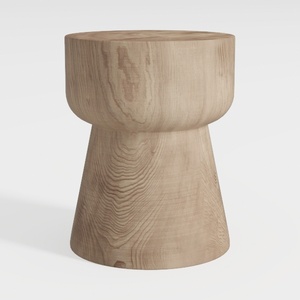
Minimalist Solid Wood Round End Side Table 3D Model


Bohemian Rattan Fabric Round Daybed with Decorative Throw Pillows 3D Model

Minimalist Linen Fabric Slipcover Three Seater Sofa 3D Model
Homestyler is the ultimate online platform for home design enthusiasts! With its user-friendly design tool, stunning 3D renderings, and extensive library of DIY video tutorials, you can easily create, visualize, and bring your dream home to life—no experience required!
Дизайн сейчас бесплатно
































