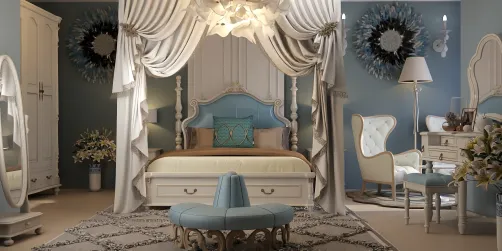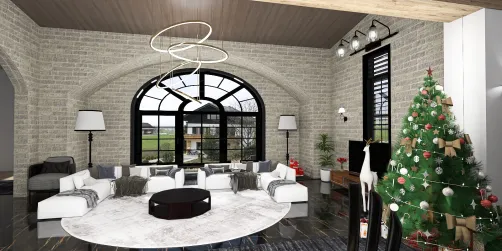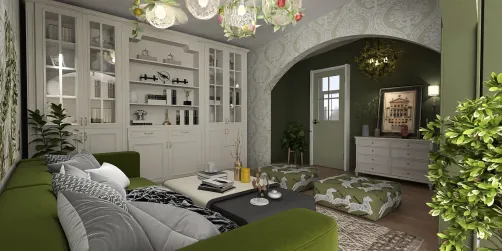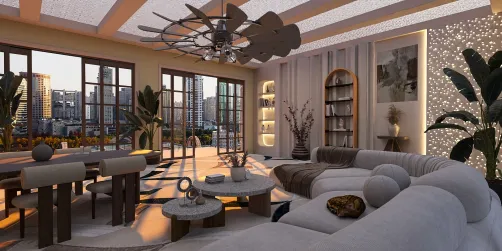
I specialize in creating small residential and studio environments where maintaining thermal comfort and energy efficiency is essential, even within tight spaces. In these compact areas, the most effective heating and cooling options ensure a consistent temperature, minimal noise, and intuitive controls, all without disrupting the overall design. Utilizing tools like Homestyler can be instrumental in visualizing these layouts effectively.
Performance Standards for Compact Spaces
In restricted floor layouts, ensuring thermal comfort relies on stable temperatures, effective airflow, and humidity regulation. The WELL v2 standard recommends keeping relative humidity between 30-60% to bolster respiratory health and diminish pathogen survival, fitting with the specifications of most small area units. Research from Steelcase links temperature consistency and noise control to enhanced cognitive functionality; fluctuating conditions can hinder focus, particularly in home offices with limited space. In temperate regions, I target setpoints around 68–72°F for heating and 74–78°F for cooling. For work areas, I make sure the lighting complies with IES recommendations while preventing HVAC systems from introducing glare or drafts to work surfaces. For comprehensive guidelines on indoor environmental quality, the WELL Building Standard serves as an excellent resource.
Reference: WELL Building Standard (WELL v2), Steelcase research.
Top Picks: Optimal Heating & Cooling Solutions for Small Spaces
I select systems that strike a balance between output, noise levels, and spatial footprint.
To enhance workplace comfort and cognitive performance, Steelcase offers a valuable research library that aids in establishing environmental standards, while WELL v2 provides key benchmarks for humidity and air ventilation tailored to small-space design.
Sizing and Load Considerations
One of the most frequent errors is oversizing units. Rooms between 100 and 300 sq ft generally require 5,000–9,000 BTU for cooling, depending on factors like orientation, glazing, occupancy, and building envelope quality. To ensure proper sizing, I perform a quick load assessment: factoring in gains from west-facing windows, heat from equipment like computers or kitchens, and the number of occupants. In hot climates, it’s crucial to match HSPF2 ratings with seasonal demands. Proper sizing prevents short cycling, stabilizes humidity levels, and minimizes noise.
Noise, Acoustics, and Ergonomics Considerations
Sound levels can be amplified in smaller rooms. I aim for sound levels at or below 50–55 dB in bedrooms and 55–60 dB in living or working areas. Utilizing variable-speed fans and insulated linesets helps to reduce tonal peaks. I position indoor units away from headboards and microphones, while also adjusting return air paths to minimize draft discomfort. Soft acoustic surfaces such as rugs, curtains, and upholstered furniture can absorb mechanical noise and enhance speech clarity.
Airflow Strategy, Layout, and Placement
It’s essential to plan for clear supply and return airflow pathways. In narrow studios, I often install mini-split systems on an interior wall opposite the main seating area to optimize air circulation and prevent cold drafts. Maintaining 6–12 inches of clearance around window units or PTAC systems is crucial. Use deflectors prudently; poorly positioned baffles can result in turbulent noise and uneven temperatures. A room layout tool, such as Homestyler, can aid in visualizing airflow patterns and ensuring that vents remain unobstructed by tall storage units.
Energy Efficiency and Intelligent Controls
Inverter technology provides significant benefits for small spaces where energy loads fluctuate frequently. Smart thermostats and room sensors ensure setpoints are maintained accurately, adjusting schedules based on occupancy patterns. Sealing window and wall penetrations, along with low-leakage shades, can effectively minimize solar gains. On days that require mixed-mode conditioning, I utilize ceiling fans at a low speed alongside higher cooling setpoints to reduce operational time while maintaining comfort levels.
Humidity, Indoor Air Quality, and Comfort Balance
Comfort is heavily influenced by moisture management as much as temperature regulation. It's recommended to keep the relative humidity between 30-60% in line with WELL v2 guidance; levels below 30% can lead to dryness and irritants, while exceeding 60% can encourage mold growth and dust mites. For units lacking robust dehumidification, integrating a compact desiccant or compressor dehumidifier is beneficial, with the drain directed to a nearby sink to avoid maintenance issues. Where possible, using MERV 8–11 filters and cleaning coils seasonally is advisable.
Color Psychology and Thermal Sensations
The impact of color on perceived warmth is significant. Warmer tones like muted terracotta and honey oak can make cooler setpoints feel more agreeable, while cooler hues, such as soft blue-gray, can create a refreshing sensation during warmer months. I utilize these insights to manage actual temperatures effectively, ensuring comfort and minimizing energy consumption.
Sustainable Materials and Practices
Compact spaces greatly benefit from using low-VOC materials and ensuring tight building envelopes. Selecting refrigerants with minimal global warming potential and units featuring serviceable components can extend their functional lifespan. Heavier draperies and insulated shades can diminish heat gain, while thermal rugs help alleviate coldness from floors in winter. Focusing on Energy Star-equivalent efficiency and routine commissioning ensures sustainable and long-lasting performance.
Installation and Maintenance Tips
Proper installation of mini-splits necessitates adequate line-set length, vacuuming, and leak testing; even minor oversights can lead to substantial efficiency reduction. Cuts for through-the-wall installations should be sealed and flashed appropriately. In dusty urban environments, it's important to clean filters every other week, and to inspect condensate lines monthly during periods of cooling usage. An annual professional tune-up is recommended for units experiencing heavy use.
Quick Selection Guide Based on Scenarios
Frequently Asked Questions
Start with a cooling capacity of around 5,000–7,000 BTU, adjusting for solar gains from west-facing windows, equipment heat generation, and occupancy levels. Proper unit sizing helps prevent short cycling and stabilizes humidity levels.
Aim for a relative humidity between 30–60%, in accordance with WELL v2 guidelines. Levels below 30% create dryness issues, and those above 60% increase mold risks and diminish comfort.
Not necessarily. Selecting units with 9,000–12,000 BTU and inverter control enables modulation of output to accommodate small loads, typically resulting in quieter operation compared to window or PTAC alternatives.
Incorporate soft finishes such as rugs and curtains, isolate pathways of vibration, opt for lower fan speeds, and position seating away from direct airflow to improve comfort.
Yes, selecting dual-hose models enhances efficiency while reducing negative pressure. Consider planning for efficient condensate drainage and the installation of window sealing kits.
For heating settings, 68–72°F and cooling settings at 74–78°F are effective in temperate zones. Complementing these settings with fans set to slightly elevated cooling points can decrease runtime.
Absolutely. Using MERV 8–11 filters where feasible and regularly cleaning coils and filters is vital for maintaining excellent indoor air quality and energy efficiency of the units.
Yes, warm color palettes can render cooler ambient temperatures more pleasant; conversely, cool shades promote a refreshing atmosphere even at moderate temperature settings.
For near-silent operation, a combination of radiant panels and DC fans works well. For cooling needs, a mini-split unit with an ultra-low fan option, operating around 50 dB, is an optimal choice.
Directing supply air to flow over or alongside workstations, rather than directly at users, is ideal. Use air deflectors sparingly and consider rearranging furniture through tools like Homestyler to ensure clear vent access.

Discover the joy of home design with Homestyler! This user-friendly platform offers a top-notch online design tool, stunning 3D renderings, and an extensive range of design projects. Plus, you'll find a variety of DIY video tutorials to inspire your creativity. Transform your space effortlessly!








![Design [4]](https://hs-designs.homestyler.com/production/design/images/07c2de3a-88ec-4be8-8910-ff255b795bc2/1731419398293/7841697.jpg?x-oss-process=image/resize,w_502,m_mfit/format,webp)