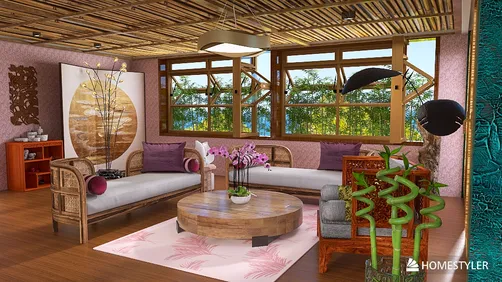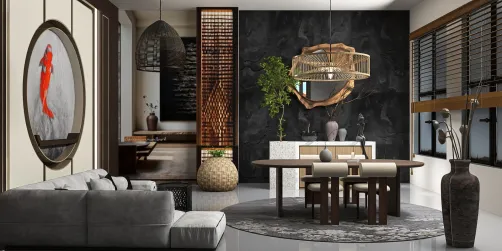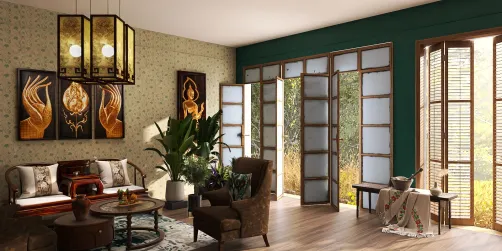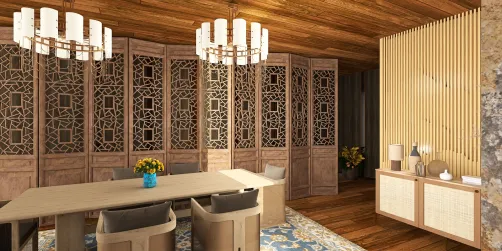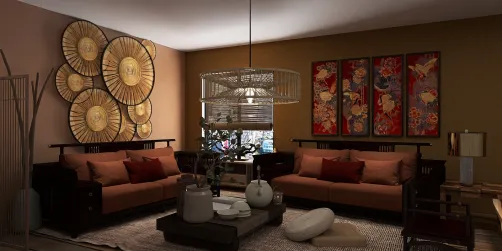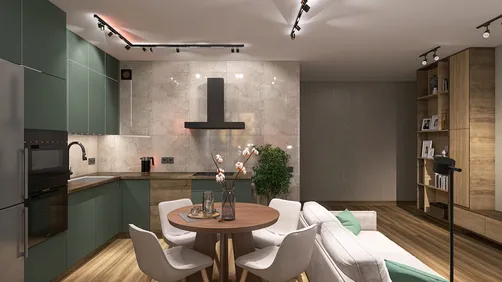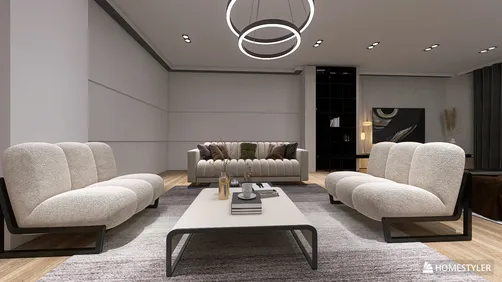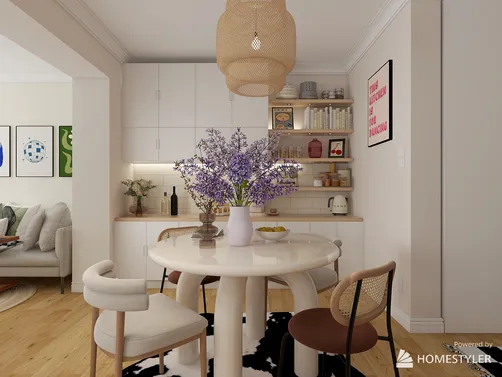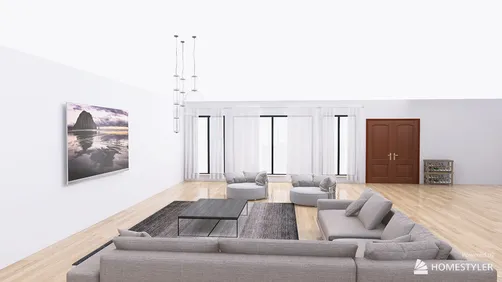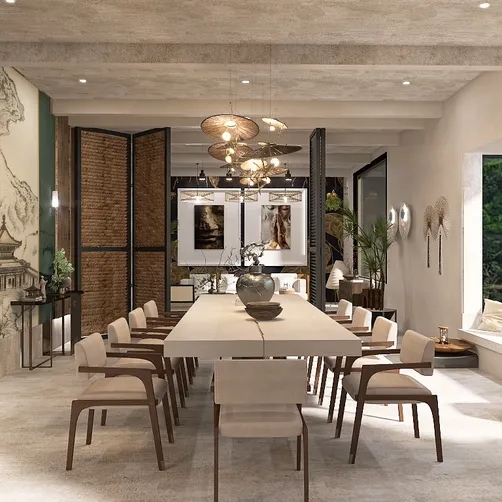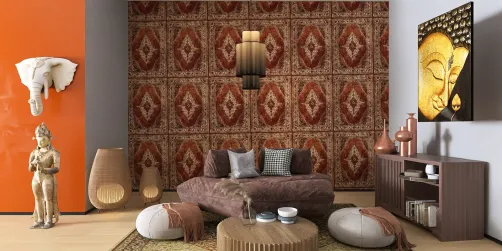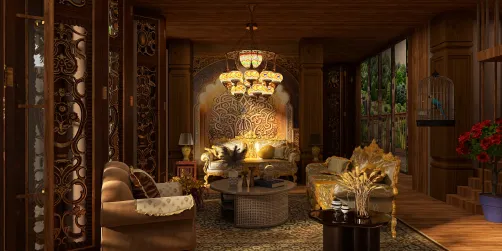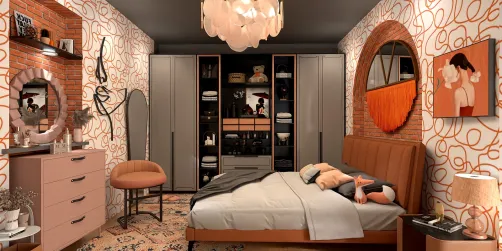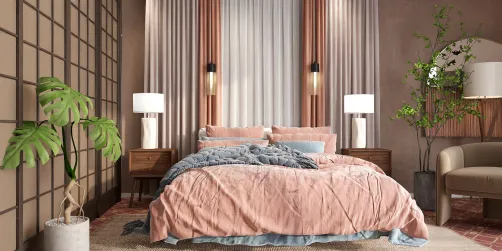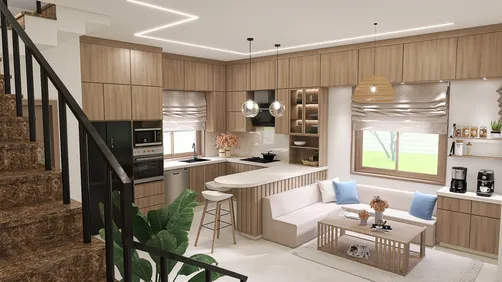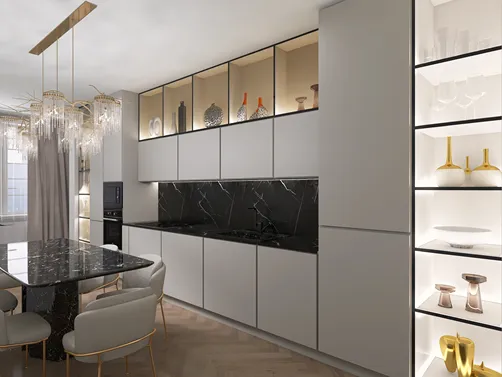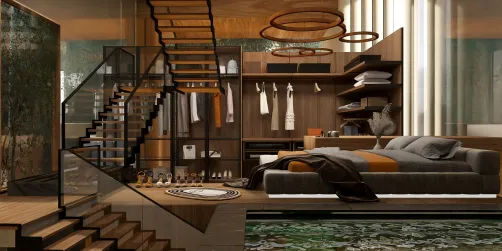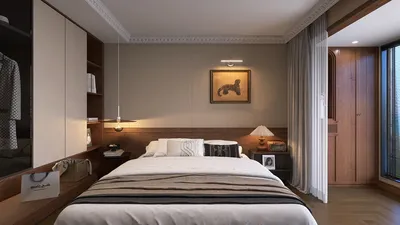
As the future approaches, my clients increasingly seek clarity on the Onella Nest Phase 2 floor plan. Indicators such as cramped routines, excessive noise, and inadequate storage highlight an unmet demand for better living spaces. The AIA’s Home Design Trends Survey confirms this trend, revealing an escalating need for adaptable layouts as family dynamics change. In this context, the Onella Nest Phase 2 floor plan transcends a mere architectural diagram, evolving into a flexible interface that aligns with the habits of tomorrow.
A toolkit for spatial reasoning
Module A: Hybrid 1-Bed + Flex Alcove
Design Rationale: The bedroom serves as a haven for privacy while the flex alcove near the entrance functions as a versatile space—serving as an office today and potentially a nursery tomorrow—reflecting changes in demographics.
Flow: The pathway encompasses entry → drop zone → flex alcove → main living area → balcony, creating a streamlined sequence that effectively directs noise away from sleeping areas.
Sightlines: A diagonal perspective from the kitchen island to the windows presents a principal user interface; an offset bedroom door maintains privacy and keeps personal spaces off display.
Storage: A generous entry wardrobe and bed-base drawers provide hidden storage solutions; a tall kitchen pantry enhances vertical organization without disrupting aesthetic order.
Furniture Arrangement: An 84" sofa paired with a 36" coffee table allows comfortable movement, while a queen bed positioned with 24" nightstand offsets and a 60" x 24" alcove desk remain within functional parameters.
Conclusion: In five years, this hybrid structure will adeptly manage changing functions with minimal adjustments—demonstrating quiet resilience and readiness for the future.
save pin
Module B: Split 2-Bed with Central Core
Design Rationale: Two bedrooms flanking a central living area/kitchen reduce travel times within the home, aligning with the remote-first lifestyle that many now adopt.
Flow: The design flows from bedrooms to a shared bathroom loop and onto the kitchen hub, followed by the living space and terrace; this arrangement minimizes congestion during peak usage.
Sightlines: The axis from the island to the terrace establishes a clear visual hierarchy; staggered bedroom entries diminish visual distractions similar to dimming secondary windows in a user interface.
Storage: Two reach-in wardrobes, combined with a hallway linen closet, form layered storage options; a bench-ottoman in the living area provides additional versatility.
Furniture Arrangement: A 72" dining table along the wall and a kitchen island with a 12" overhang for two stools ensure comfort and functionality; having full/queen beds with sufficient side clearance keeps the design codes in check.
Conclusion: This split layout supports co-living and accommodation for guests, creating a balanced framework that seamlessly adapts to evolving routines.
save pin
Module C: Studio with Sliding Partition
Design Rationale: A single open space segmented by sliding partitions transitions effortlessly from a workspace to a cozy sleeping area, adjusting functionality as needed throughout the day.
Flow: The sequence includes entry → kitchen rail → studio area → partition → sleeping niche; a reversible layout akin to toggling between modes.
Sightlines: A low console maintains a clear horizon; the translucence of the partitions layers privacy without the bulk of traditional walls.
Storage: The design boasts wall-to-wall millwork with 18" deep sections and overhead lockers; under-sofa drawers accommodate transient belongings.
Furniture Arrangement: An 80" modular sofa and a murphy/full bed keep within a 30" clearance when extended; a drop-leaf table operates efficiently within limited space constraints.
Conclusion: Over the next five years, this studio's adaptable design will seamlessly incorporate trends in freelancing, wellness, and guest accommodations without necessitating a complete redesign.
save pin
Final Insights
The Onella Nest Phase 2 floor plan functions like an operating system that optimizes domestic life, ranging from the split two-bedroom logic to the flex alcove design. As remote work and communal living become more prevalent, variations of this layout—including the hybrid 1-bedroom, central-core 2-bedroom, and sliding partition studios—provide efficient spatial solutions rather than just static rooms. In my perspective, the most intelligently designed homes of the near future will embody intentional interfaces; a recurring theme in my projects is the subtle yet impactful changes in flow and storage that can profoundly alter daily living experiences with the help of tools like Homestyler.
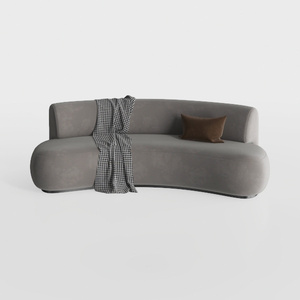
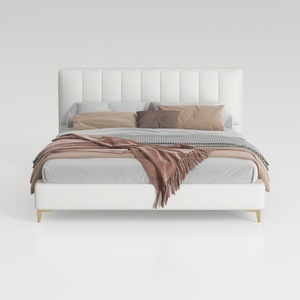
Homestyler is an exceptional online platform perfect for anyone looking to design their home with ease. Its user-friendly design tool, stunning 3D renderings, diverse design projects, and helpful DIY video tutorials make it simple and inspiring to create your dream space.