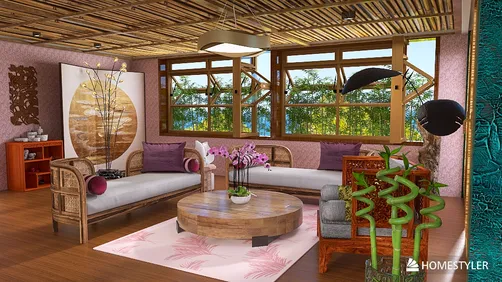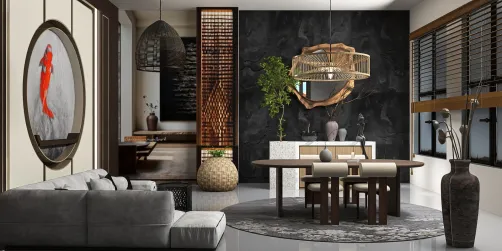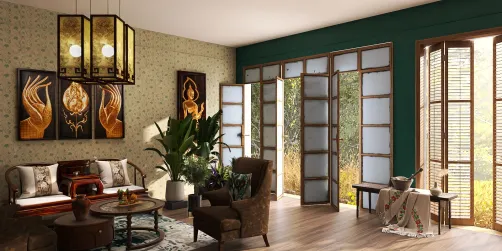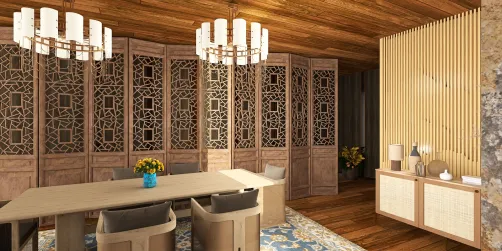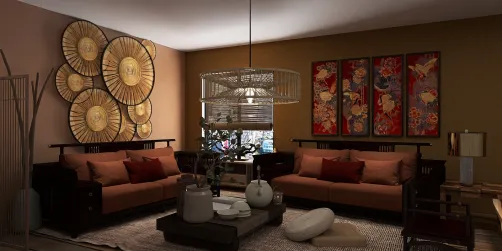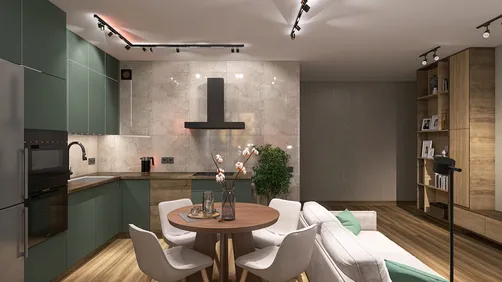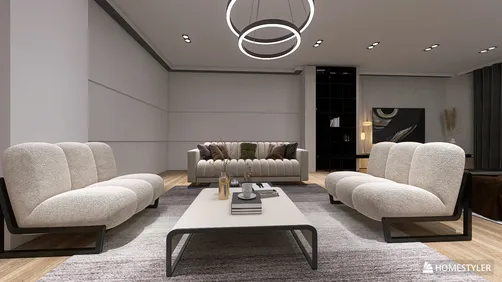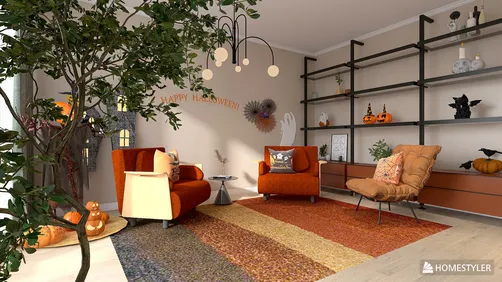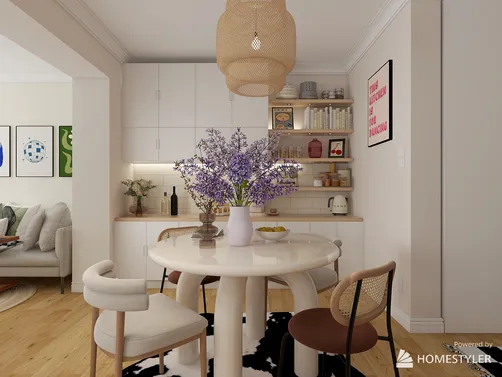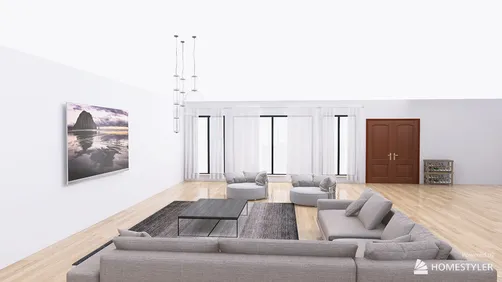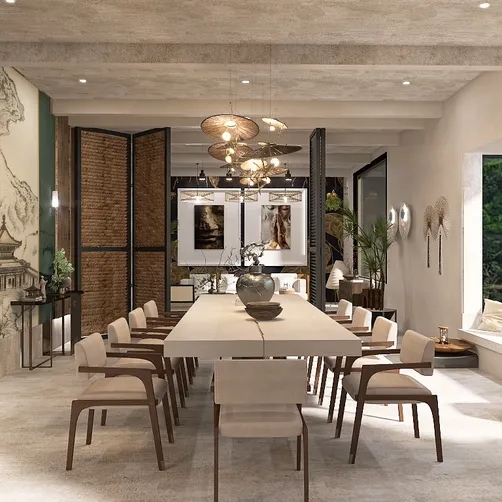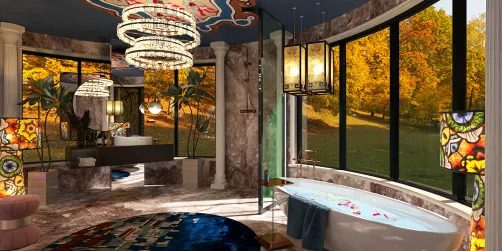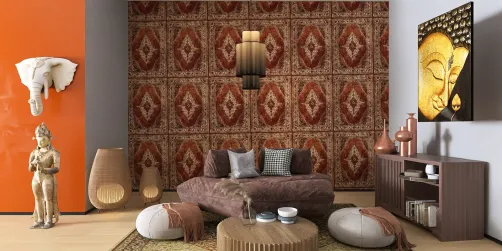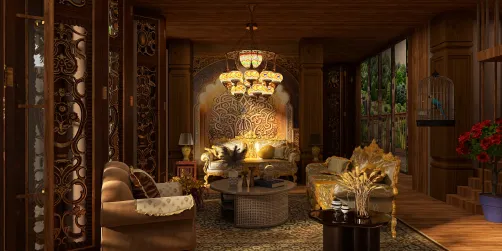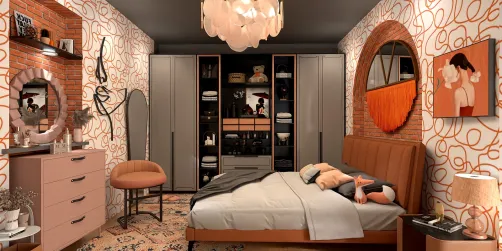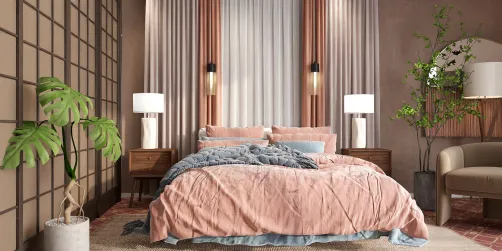
As we look ahead, the challenges of modern living persist, particularly in how our homes manage clutter and chaotic routines. Analyzing floor plans serves as an early blueprint for future lifestyles; they become essential tools for spatial understanding. In this context, designing one-bedroom apartment layouts transforms into a seamless interface that balances the demands of urban life with the tranquility of home, reflecting a shift noted in AIA survey data where households increasingly favor flexible, multifunctional spaces over mere square footage.
Linear Spine One-Bedroom
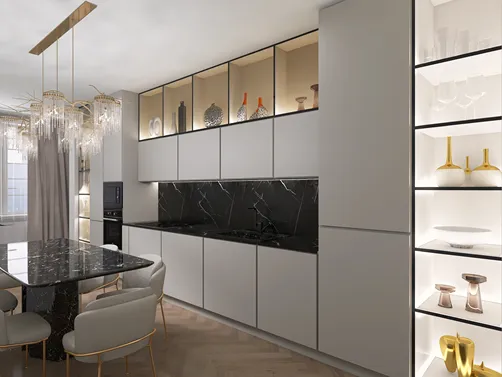
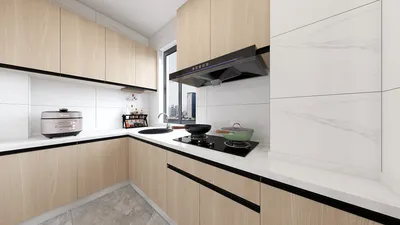
Design Concept: A central corridor functions like a data bus, connecting the entryway, kitchen, living area, and bedroom to optimize the management of daily activities and time.
Flow: From the door to the drop-off zone, then through the galley kitchen into the living space, followed by a sliding partition to the bedroom; it eliminates dead ends and ensures a smooth flow of movement.
Sightlines: A direct line from the entrance to the window enhances visual connections; partial-height storage creates distinct levels, maintaining an uncluttered perspective.
Storage Solutions: Utilize tall pantry units and under-bed drawers for efficient storage; hallway niches serve as organized archives for easy access.
Furniture Compatibility: Recommendations include a sofa between 72–78 inches, a 30-inch round dining table, and a queen-sized bed; these dimensions respect the necessary pathways for movement.
Conclusion: This linear design will cater to routine-based lifestyles over the next five years, providing a serene environment with reliable functionality.
save pin
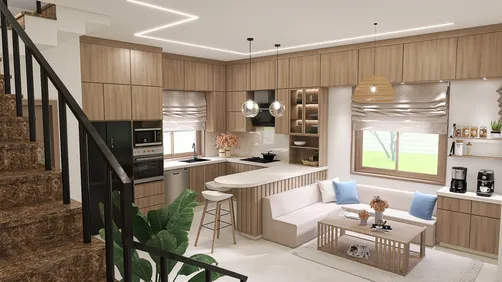
Looped Hub One-Bedroom
Design Concept: A looped layout revolves around a central kitchen island, creating an efficient cycle of work, cooking, and relaxation, similar to a resilient network.
Flow: The journey begins at the entryway and moves to the island, through the living space and study alcove, before transitioning into the bedroom and bathroom to return to entry; this circular design minimizes contextual switches.
Sightlines: The island serves as the focal point; visual connections extend from the hub to the window, blending private and public areas effectively.
Storage Solutions: Perimeter cabinetry with deep corner units acts as additional storage while the hall closet distinguishes between seasonal and everyday items.
Furniture Compatibility: Maintain a clearance of 36 inches around the island with modular lounger sizes ranging from 90 to 100 inches, and a desk of 48 inches; such tight tolerances encourage evolving habits.
Conclusion: This looping design combats disorder, supporting adaptability from remote work to social gatherings without requiring a complete renovation of the home.
save pin
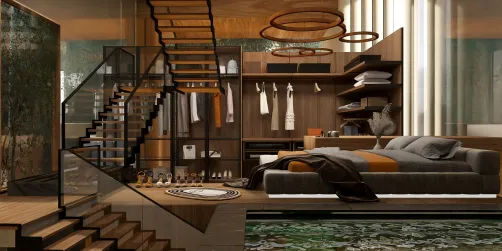
Split-Gradient One-Bedroom
Design Concept: The layout transitions from bright public areas to more subdued private zones; light serves as a prioritization of data, while privacy ensures confidentiality.
Flow: This layout features an entryway buffer leading into a living area with abundant natural light, alongside the kitchen, a pocket door to the bedroom, and then to the bathroom; it filters transitions by necessity.
Sightlines: The main view aligns with the windows, secondary views focus on artwork, and concealed storage creates layered visibility with intentional structure.
Storage Solutions: Vertical wardrobes ranging from 24 to 30 inches in depth pair with a hidden utility wall, providing ample long-term storage options.
Furniture Compatibility: Incorporate a slim dining bench, wall-mounted media systems, and a queen bed with 24 inches of clearance on the sides; every detail is designed to facilitate smooth movement.
Conclusion: This adaptable layout remains relevant as it accommodates future technology and quiet work areas while maintaining a high quality of living.
save pin
Final Insights
One-bedroom apartment floor plans transcend basic drawings—they serve as frameworks to balance work, rest, and community engagements. With a variety of designs available, such as compact one-bedroom configurations and urban micro-units, future living trends favor thoughtful design over superfluous space. From my observations, tomorrow's most intelligent homes will not necessarily be larger, but rather more intentional in their layouts, such as those envisioned with tools like Homestyler.

Looking to revamp your home? Homestyler is your go-to online design platform. It offers a user-friendly design tool, stunning 3D renderings, inspiring design projects, and easy-to-follow video tutorials, making home design an enjoyable experience for everyone. Transform your space effortlessly!