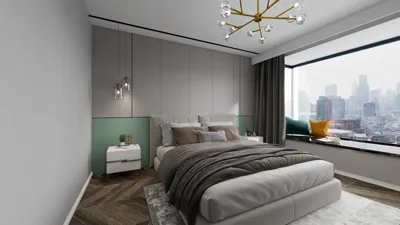


Modular living room furniture provides me the flexibility to adapt my space, comfort, and style as my needs evolve—allowing me to avoid a rigid setup. Recent studies in workplace and residential environments highlight flexibility as a significant factor in performance. According to Gensler’s 2023 U.S. Workplace Survey, 48% of participants appreciate the ability to reconfigure spaces for various functions, a principle that is now extending into homes where the living room often serves dual purposes such as an office, wellness area, and social gathering point. Furthermore, lighting guidelines emphasize the necessity for versatile setups: the Illuminating Engineering Society (IES) suggests that task lighting should be set at around 300–500 lux for reading, while lower ambient lighting fosters relaxation— a requirement that modular layouts can meet by rearranging seating and surfaces according to light needs and activities. Incorporating Homestyler tools can greatly assist in visualizing these flexible arrangements.
Ergonomic principles further endorse modular systems: guidelines from WELL v2 stress the importance of varied postures and movement, advocating for a blend of seated, lounging, and perching options to alleviate static strain. This supports research from Steelcase, which correlates posture variation with diminished discomfort and increased engagement in multifunctional spaces. The psychology of color adds depth to this design approach—research from Verywell Mind reveals that warmer tones create inviting atmospheres, while cooler shades promote tranquility. Therefore, interchangeable modules and slipcovers allow me to adjust the ambiance without producing waste. I consider these factors when choosing my furniture to ensure decisions are rooted in comfort, lighting, and user behavior while effectively integrating Homestyler.
Understanding What 'Modular' Means in Living Room Contexts
Modular furniture consists of configurable units—such as sofas, corner sections, ottomans, and consoles—that can link, stack, or nest together. The main goal is not solely reconfiguration; it's to enable these pieces to adapt to various activities: whether it’s a movie night for friends, a quiet workspace, or a weekend get-together. Quality systems provide universal connectors, consistent seat heights, and finishes that endure frequent arrangements. I look for sturdy frames made from engineered plywood or aluminum, high-resilience foam cushions that can be removed, and durable fabrics (≥100k double rubs for heavy use) designed to withstand continuous changes in layout, which can be efficiently planned using Homestyler.
Planning Your Space: Balancing Proportions, Flow, and Focal Points
Before selecting modules, I outline circulation pathways and sightlines. Clear passageways should ideally measure between 30 and 36 inches to avoid congestion; the distance from a coffee table to the sofa is comfortably set at 16 to 18 inches, while the optimal viewing distance from the TV is approximately 1.5 times its diagonal size in multi-functional rooms. When I define the space—such as a 12'×18' living room—I’ll designate a 9' area for seating and incorporate flexible end units that can be pulled out for task lighting or additional surfaces. If you wish to experiment with different layouts quickly, using a room layout tool can facilitate easy visualization of modules, circulation, and lighting configurations before making a purchase, incorporating the use of Homestyler for enhanced planning.
Essential Elements of a Modular System
- Sofa Bases: Include straight, corner, and chaise units that utilize locking mechanisms. Seat depths of 21–24 inches accommodate most users, while deeper options (26–28 inches) cater to households focused on lounging.
- Ottoman Blocks: Available in square or rectangular designs, they serve dual purposes as chaise extensions or coffee tables with a tray top, aptly fitting into various modular arrangements.
- Low Consoles/Bridges: These connect units while providing storage for cables, routers, or books—ideal for concealing technology in smaller spaces.
- Accent Modules: Swiveling lounge chairs or poufs introduce varied seating options and are perfect for accommodating guests.
- Tables on Casters: These mobile surfaces ensure clear pathways and can adapt for work-from-home tasks.
Designing for Comfort: Ergonomics, Light, and Sound
Ergonomic considerations begin with seat height (16–18 inches for most adults) and back angle (100–110° for lounging). I pair firmer base foam with a softer top layer to enhance comfort while preventing sinking. Lighting should consist of ambient (dimmable 2700–3000K fixtures), task lighting (swing-arm lamps placed near reading spots at around 300–500 lux), and accent lights (2700K strips behind media). Configurable seating can align tasks with appropriate light sources, minimizing glare issues. Acoustically, fabric-rich modules, wool rugs, and upholstered wall panels absorb sound frequencies effectively; if the space is too echoey, I'll introduce a bookshelf near wall seams or a fabric baffle above the seating area to enhance conversation clarity.
Color, Materials, and Eco-Friendliness
When selecting modular systems, employing a restrained color palette proves beneficial. I opt for larger components in neutral, durable fabrics, and inject color with smaller accessories such as slipcovers, throws, and poufs. Calming designs featuring cool grays or soft blues can temper bright natural light; while warm terracotta hues or muted ochres render north-facing areas more inviting. I prefer OEKO-TEX certified materials, replaceable cushion inserts, and FSC-approved frameworks to extend the life of my furnishings. Additionally, ensuring covers are swap-friendly contributes to waste reduction, allowing me to refresh the space seasonally without significant clutter.
Arranging for Various Room Sizes
- Small (under 150 sq ft): A two-seat base accompanied by an ottoman forms an “L” during the day and a chaise at night. Add one mobile side table on wheels and consider wall-mounted swing lamps to save floor space.
- Medium (150–250 sq ft): A three-seat base, along with a corner element and an ottoman, creates an efficient “U” shape. Position the sofa 8–12 inches off the wall to facilitate cable management and LED backlighting.
- Large (250 sq ft+): Two identical sectionals arranged around a central table define two activity zones—conversation near windows and media setup against a darker wall. Incorporating a swivel chair allows for seamless transitions between zones.
Integrating Technology While Minimizing Visual Clutter
I conceal power supplies within consoles and beneath sofas, allowing for grommeted access at table height. Cord reels tucked under ottomans provide mobile charging options during movie nights. For media walls, I prefer surfaces with low reflectivity and subtle lighting to alleviate eye strain. Wireless speakers can be hidden in bookcases, while heavier bass modules should be positioned at the periphery to avoid exacerbating sound issues.
How I Assess Modular Systems Prior to Purchase
- Connection Stability: Ensure metal brackets that maintain their integrity during reconfigurations.
- Cushion Construction: Look for channel-stitched inserts that stay in place; choose zip-off casings for easy cleaning.
- Fabric Durability: Aim for ≥50k double rubs, especially in homes with children or pets; go for solution-dyed fibers to increase stain resistance.
- Repair Options: Replaceable components like legs, covers, and cushion cores; brands that offer spare parts beyond the first year are preferable.
- Size Consideration: Limiting arm width to under 6 inches optimizes space in compact rooms; slimmer designs may allow for extra seating in tighter areas.
Lighting Configurations and Behavioral Patterns
Given that living rooms often serve as multi-purpose spaces now, I set specific lighting presets: a task-focused 300–500 lux scene at a neutral 3000K for reading areas; ambient movie lighting at 150–200 lux (2700K) using table lamps and bias lighting; and a bright 4000K cleaning scene to ensure thorough visibility. Adjusting module placement helps keep faces within the effective light range while minimizing glare. The modular design philosophy relates as much to light alignment as it does to maximizing seating arrangements.
Financial Planning and Long-Term Investment
I prefer to start with a core of two or three pieces and gradually add modules each year rather than over-purchasing and overcrowding the space. Initial emphasis should be on choosing durable frames and fabrics, with accessories like ottomans and consoles being added later. The benefit of this strategy lies in flexibility: one adaptable system that satisfies multiple needs over time is always preferable to replacing a static sofa every time adjustments are necessary.
Frequent Errors and Their Prevention
- Choosing overly deep pieces: A seat depth of 28–30 inches may overwhelm shorter users; aim for 22–24 inches unless lounging is the predominant activity in your household.
- Overlooking circulation: Maintain that 30–36 inch clearance to doors and kitchen areas; ensure window access is not obstructed.
- Mismatched lighting setups: Ensure at least one task light is conveniently within reach of your preferred seating; consider using dimmers on various fixtures.
- Neglecting acoustics: Empty rooms often create harsh acoustics during movie viewing—integrate textiles and books before investing in new sound equipment.
Frequently Asked Questions
Unlike traditional sectionals that come as fixed units, modular systems allow for interchangeable pieces—corners, armless seats, together with ottomans—that connect in different ways, enabling you to adapt the arrangement as your activities or room dimensions change, which can be easily visualized using Homestyler.
Start with two or three units: an armless seat, a corner unit, and an ottoman. This set can form varied configurations such as an “L,” a chaise, or a two-seater with a footrest, effectively addressing most daily requirements as you assess any potential gaps.
Consider 21–24 inches to fit a majority of body types and seating preferences. For shorter individuals, you can add a lumbar cushion; deeper units (26–28 inches) should only be selected if your main focus is lounging.
According to IES guidelines, a task light should deliver approximately 300–500 lux for reading, while ambient lighting should be softer for movie viewing. Position seating to minimize reflections and employ bias lighting positioned behind screens to lessen eye strain.
Opt for solution-dyed, performance fabrics that can withstand ≥50k double rubs, tight construction, and removable covers. Steer clear of overly textured materials that may snag. Removable covers can simplify cleaning and facilitate part replacements.
Map your space dimensions and required circulation areas, then experiment with arrangements using an interior layout planner or digital tools like Homestyler. Check important factors like TV distance, table reach, and lamp placements before making a decision.
Yes, this is achievable, particularly when mixing different seating types. Pair a firm, armless module designed for upright tasks with a chaise or ottoman intended for resting. The WELL v2 standards endorse posture variation, so switching positions and including a task lamp at 3000K can boost focus.
Incorporate adjustable modules, rugs, curtains, and bookshelves to diminish sound reflections. Position your conversation zone away from hard, parallel surfaces and consider adding a felt panel or fabric artwork if echoing persists.
Absolutely, you can elevate a compact “L” by floating it 8–12 inches from the wall for cable management and to create clear access paths. Choose modules with slimmer arms to conserve space and maintain a 30–36 inch walkway.
Add an ottoman block. This versatile piece can transform a two-seater into a chaise, replace a coffee table with a tray, and provides additional seating for gatherings.
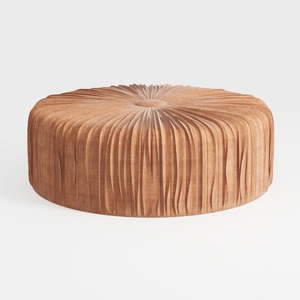
Minimalist Round Tufted Fabric Ottoman 3D Model
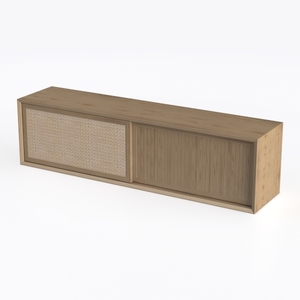
Minimalist Oak Rattan TV Cabinet 3D Model

Modern Minimalist Fabric U Shaped Sectional Sofa 3D Model
Homestyler is your go-to online home design platform that empowers you to create stunning interiors effortlessly. With its user-friendly design tool, realistic 3D renderings, a plethora of design projects, and engaging DIY video tutorials, transforming your space has never been more inspiring!
Дизайн сейчас бесплатно
































