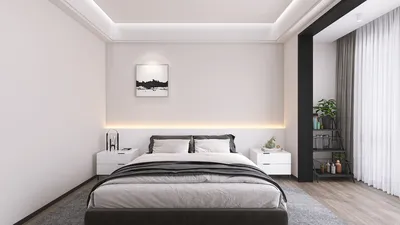


Direct Answer
The primary distinctions between modern and traditional casa decor revolve around layout philosophy, materials, and visual intricacy. Modern designs emphasize clean lines, minimal ornamentation, and open floor plans, whereas traditional decor focuses on layered textures, symmetry, and classic architectural features. Selecting the ideal style depends largely on your home's structure, maintenance preferences, and daily lifestyle needs.
Quick Takeaways
Introduction
When clients inquire about modern versus traditional casa decor, the underlying concern often transcends mere aesthetics, touching on lifestyle compatibility. Having worked on numerous residential interiors for over ten years, I’ve observed homeowners initially enamored by online styles only to find later that those choices don’t suit their home's functionality.
Some residences naturally lend themselves to traditional elements—think ornate crown moldings, framed doorways, and segmented rooms. Others thrive with the clarity and openness provided by modern spatial arrangements. Before committing to a style, it's beneficial to understand how design decisions impact layout, materials, and long-term comfort.
If you’re still determining your home's spatial configuration before selecting a decor style, many homeowners find it helpful to visualize room layouts using a 3D floor planning tool. Experiencing the proportions of furniture and circulation paths often reveals which aesthetic feels more intuitive.
This guide breaks down the differences between modern and traditional casa decor in actual projects—from layout development to budgeting—and explores where designers naturally blend the two styles.
save pin
What Defines Modern Casa Decor
Key Insight: Modern casa decor is characterized more by spatial clarity and minimal visual disruption than by specific furniture styles.
In practical terms, modern interiors strive to minimize visual clutter through fewer decorative objects, streamlined furniture shapes, and an emphasis on open circulation.
Through projects completed in regions like Los Angeles and San Diego, modern homes consistently highlight these design principles:
According to surveys from the American Institute of Architects focusing on residential trends, open-plan layouts and pared-down material schemes rank among the top requests in modern home designs.
A critical yet often overlooked detail is the necessity for strict spatial discipline in modern interiors. With fewer decorative elements, every proportion stands out. Improper furniture scale or lighting placement can make the space feel empty rather than refined.
Key Characteristics of Traditional Home Design
Key Insight: Traditional design values layered comfort and rich visual detail over minimalism.
Rooted in classical European architecture, traditional interiors highlight symmetry and ornate detailing. Instead of eliminating elements, the aim is to foster warmth via layering and texture.
Common traits include:
In renovation projects, traditional homes typically involve restoring defining architectural features that give the space character. Without these elements, traditional decor may feel superficial.
Therefore, I often suggest assessing architectural compatibility first. For houses that are inherently modern or minimalist, imposing traditional decor tends to be ineffective.
save pin
Visual Differences in Layout, Color, and Materials
Key Insight: The most notable differences between modern and traditional casa decor are evident in spatial openness, color restraint, and material expression.
Designers frequently evaluate these styles based on three dimensions: spatial planning, color palette, and texture.
These decisions influence not just appearance but also the emotional ambiance of a space. Modern interiors often evoke calmness and spaciousness, while traditional rooms provide a sense of coziness and groundedness.
For those experimenting with various visual approaches, using AI-powered interior layout visualizations can help compare how each style behaves within the same room.
save pin
Which Style Works Better for Different Home Sizes
Key Insight: Smaller residences usually gain advantages from modern decor, whereas larger homes can more effectively showcase traditional layering.
Scale plays a more significant role than many realize.
In limited spaces, heavy traditional furnishings and intricate ornamentation can make rooms feel constrained. Conversely, modern design—with open layouts and lighter colors—often creates the illusion of more space.
Here’s how designers typically consider size-versus-style:
Another practical consideration is circulation. Modern floor plans facilitate clear movement pathways, critical in compact homes where maximizing every square foot matters.
Budget Considerations for Each Design Approach
Key Insight: Traditional interiors often carry higher costs due to craftsmanship and material complexity.
One frequently overlooked expense is decorative detailing. Crown moldings, hand-carved furniture, and bespoke millwork contribute substantial labor and material costs.
Typical cost differences include:
Modern interiors usually reduce expenses through simpler forms and standardized furniture, although premium modern materials like natural stone slabs or expansive glass panels can still elevate prices.
save pin
Answer Box
The fundamental distinction between modern and traditional casa decor lies in spatial openness, decorative complexity, and material selections. Modern design streamlines form and layout, whereas traditional decor builds warmth with layered textures, symmetry, and architectural accents.
How to Blend Modern and Traditional Elements
Key Insight: Contemporary successful homes often combine architectural heritage with modern furniture simplicity.
Pure stylistic approaches are uncommon in professional design; many featured homes exhibit what is known as "transitional balance."
Effective methods for blending include:
If you're embarking on a renovation or crafting a new home layout, beginning with an accurate floor plan—such as one created using Homestyler—prior to selecting furniture styles helps ensure the design direction you choose will be well-supported.
Final Summary
FAQ
What is the main difference between modern vs traditional casa decor?
Modern design emphasizes minimalism and open layouts, while traditional decor focuses on ornamental details, symmetry, and classic materials.
Which home decor style should I choose for a small house?
Modern decor generally suits small homes better because lighter color schemes and open plans create a visual sense of expanded space.
Can modern and traditional interior design be combined?
Absolutely. Many designers blend classic architectural elements with modern furniture to craft harmonious transitional interiors.
Is modern casa decor cheaper than traditional design?
Often, yes. Modern interiors tend to require fewer decorative details and less custom millwork.
Does traditional home decor go out of style?
No. Traditional design continuously evolves but remains beloved for its focus on comfort, artisanal craftsmanship, and historical influence.
What colors are common in modern interior design?
Neutral hues such as white, gray, beige, and black dominate modern palettes, often paired with natural materials.
What furniture style fits traditional interiors best?
Typical traditional homes feature upholstered sofas, carved wooden tables, and symmetrical furniture arrangements.
Is modern vs traditional casa decor only about furniture?
No, it encompasses layout planning, architectural details, material choices, lighting strategies, and spatial flow.
References
Minimalist White Ceramic Stacked Coffee Mug 3D Model

Minimalist White Solid Wood Round Coffee Table 3D Model
Homestyler is a user-friendly online platform that lets you design your home with ease. Enjoy powerful 3D rendering, access inspiring design projects, and follow helpful DIY video tutorials to create your perfect interior space.
Дизайн сейчас бесплатно
































