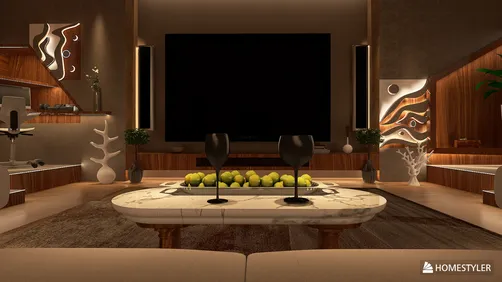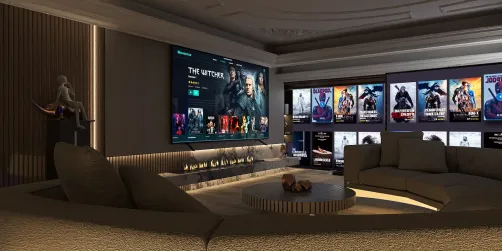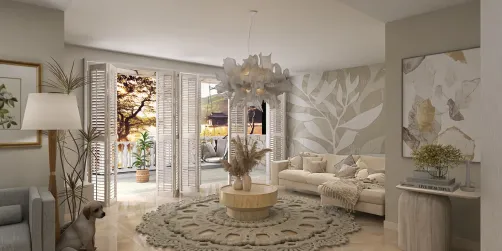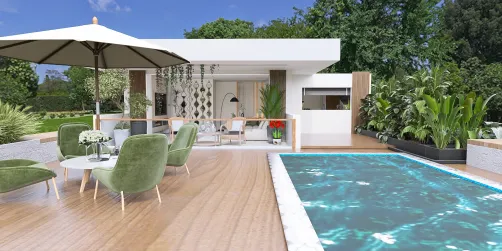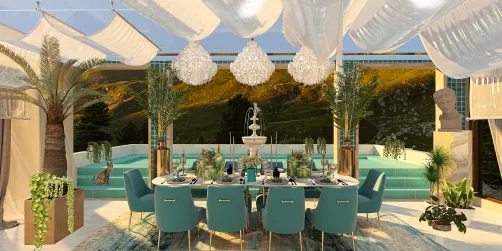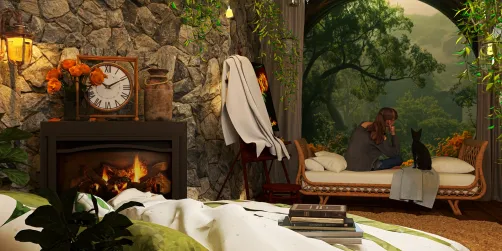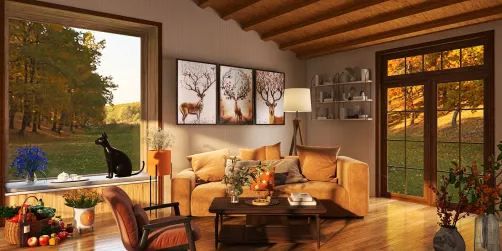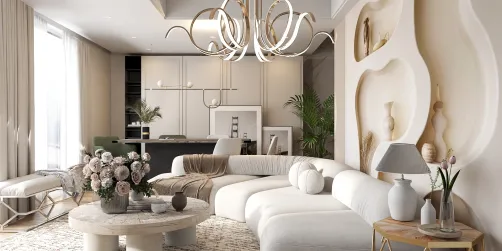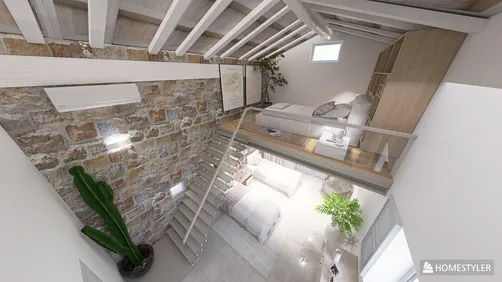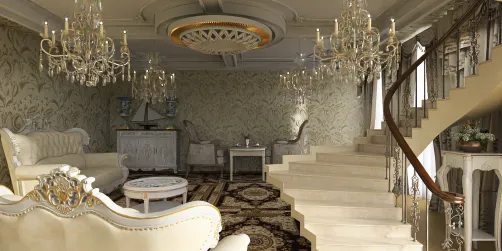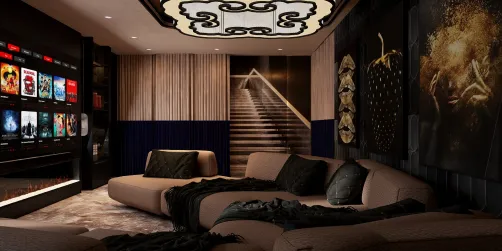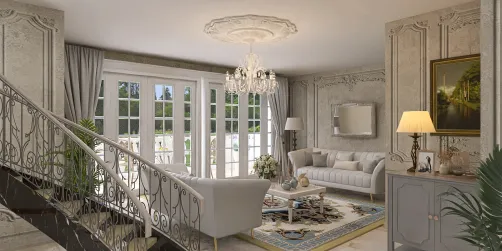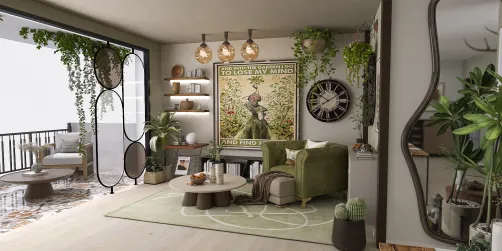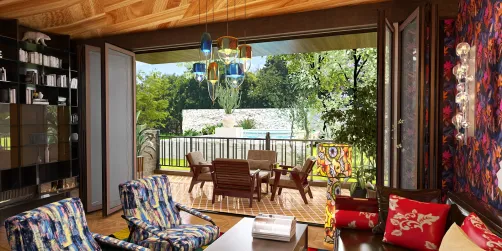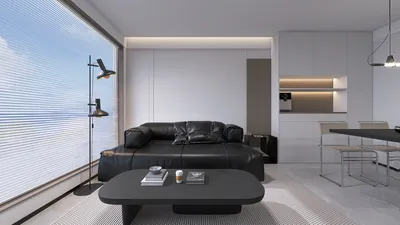
I enjoy creating compact designs that exude a sense of spaciousness. In Minecraft, small modern houses benefit from thoughtful proportions, intentional light distribution, and careful material contrasts. My design philosophy combines efficient spatial arrangements with modernist elements—such as flat surfaces, expansive glazing, and minimalist color schemes—to ensure the construction remains sleek while minimizing block usage.
Prioritizing Scale, Light, and Functionality
Principles of human factors apply well in the realm of Minecraft. Maintaining a 2–3 block width for pathways reduces collision issues and visual distractions; this is similar to real-world practices that advocate for clear pathways to facilitate seamless movement. Research by Steelcase indicates that access to natural light is linked to enhanced wellbeing and concentration, a concept echoed in WELL v2's lighting strategies. Even within the game, strategically placing windows in essential areas (like kitchens, workspaces, and crafting spots) enhances spatial awareness and alleviates the sensation of confinement. Using warm-toned materials like oak or birch alongside cooler walls (such as quartz or white concrete) reflects color psychology trends noted by Verywell Mind, where the interplay of warm and cool tones is seen as both welcoming and neatly organized.
According to Gensler’s findings, spatial clarity is fundamental for productivity in smaller environments. When I construct buildings in Minecraft, I ensure the ground level is open, creating a 3–5 block visual span between living and crafting areas. Steelcase's insights on behavior in tight workspaces support the importance of multi-functional spaces; hence, I position crafting stations close to storage areas to reduce unnecessary movements. If you're designing rooms, using a room layout tool like Homestyler can help visualize traffic flow and sightlines before you start placing blocks.
Understanding the Core Footprint and Proportions
I typically begin with a 9×9 or 11×11 base—big enough to support varied elevation and window designs while still allowing for speedy construction. Modern homes thrive on orthogonal layouts: placing a smaller upper structure (like 7×9) over a broader foundation creates an appealing cantilevered appearance. An overhang of 1–2 blocks adds a distinctly modern flair and provides coverage for outdoor spaces.
Attention to vertical proportions is crucial. Keeping ceilings to a height of 4–5 blocks in primary spaces prevents feelings of confinement while maintaining the overall compactness. To maximize efficiency on limited sites, employing half-slabs and stairs can provide subtle architectural relief without enlarging the overall structure.
Choosing a Material Palette and Texture Hierarchy
Modern aesthetics stem from both contrast and restraint. I prefer to use white concrete or quartz as key surface materials, complemented by darker trims of oak or spruce, and clear glass panes for windows. It's best to limit the number of primary materials to no more than three per facade. A consistent pattern using sea lanterns or end rods can seamlessly integrate lighting while avoiding visual chaos.
For those engaged in sustainable gameplay, incorporating reclaimed wood accents and green roofs (using grass blocks edged with trapdoors) pays homage to eco-friendly design practices. In real-life applications, material databases such as Material ConneXion emphasize performance and texture—emulate this by pairing smooth blocks with tactile features (like stripped logs) to enhance depth in your design.
Strategizing Light and Viewpoints
Illumination is essential in modern construction. I opt for floor-to-ceiling windows on the south and west sides to capture long shadows and the warm glow of sunsets. My internal lighting is organized into three layers: ambient (with recessed sea lanterns), task-focused (with end rods above work areas), and accent (discreet glowstone behind trapdoors to highlight feature walls). The Light framework of WELL v2 underscores the importance of uniform lighting, which can be replicated by diffusing bright sources behind slatted screens (using trapdoors or stairs) to prevent glare.
Simplifying Circulation and Zoning
Ensure that circulation paths are clear and intuitive. From the main entry, I recommend a 2–3 block passage that connects living spaces, crafting zones, and storage. It's ideal to have storage within 5–7 blocks of crafting tables to streamline movement. For added privacy, bedrooms or study lofts can be positioned in the cantilevered upper sections. If the design allows, a narrow side garden (2–3 blocks wide) can serve as a buffer zone and offer additional views. Using an interior layout planner like Homestyler can allow you to experiment with sightlines, furniture arrangements, and door swings before you finalize your design.
Designing Facades with Composition
Modern facades are composed through rhythm rather than ornate decorations. A good methodology is to implement a 1:2 ratio (for example, 3-block window sections alternating with 6-block solid segments). Introducing a horizontal visual element—like a dark oak slab line—helps organize openings throughout the design. A unique feature, such as a prominent entry canopy or a floating staircase with glass railings, can serve as a memorable focal point.
Interior Spaces: Focusing on Micro Zones
I approach interior design as an arrangement of functional microzones:
Though acoustic comfort may seem abstract in Minecraft, spatial separation is still important; I avoid placing redstone machines near living areas to mitigate background noise. Real-world research from Steelcase illustrates a connection between isolated zones and improved focus, so I similarly isolate specific functional elements.
Creating Landscape and Outdoor Areas
Modern homes gain from uncluttered outdoor areas. A 5×7 terrace nestled underneath a cantilever with potted plants (using leaf blocks atop composters) yields a simple garden aesthetic. Pathways comprising alternating smooth stone and strips of grass create a visual pattern. Surrounding the plot with bamboo screens or spruce fences provides privacy without overwhelming the design.
Implementing Structural Techniques and Detail Layers
Utilize stair and slab combinations to achieve sleek edges and visual shadowing. Incorporating a 1-block recession at the tops of windows adds a sense of depth. Concealing lighting fixtures in ceilings behind trapdoors helps maintain clean designs. For cantilevered sections, reinforcing floors (using slabs over full blocks) enhances structural robustness while upholding minimalist design principles.
Integrating Survival-Friendly Features
Being modern doesn't preclude practicality. I ensure resource loops are included: planting crops near the terrace, creating a composter station linked to a bone meal storage, and positioning an auto-smelter integrated into crafting areas. Livestock enclosures should be tucked behind the home within a 7–9 block radius, shielded by bamboo to keep the area visually tidy.
Utilizing Color Psychology in Compact Environments
Employing warm accents (like oak or acacia) fosters a cozy atmosphere, while cool-toned bases (like quartz or white concrete) sustain clarity. As noted by Verywell Mind, blues promote tranquility, and whites project cleanliness; in Minecraft, a subdued color scheme ensures the small footprint doesn’t appear chaotic. Save more vibrant colors for accent walls or decorative textiles.
A Step-by-Step Construction Guide
1) Outline the 11×11 foundation; offset a 7×9 upper section for the cantilevered design. 2) Elevate the ground floor to 4–5 blocks and the upper level to 4 blocks. 3) Establish primary surfaces with white concrete, and incorporate dark oak trim. 4) Add window sections with clear glass; recess window heads by 1 block for depth. 5) Construct the terrace and canopy. 6) Fit out interiors: include crafting stations, storage units, work nooks, and lofted beds. 7) Layer lighting appropriately: ambient, task, and accent. 8) Landscape with minimal pathways and greenery. 9) Conceal mechanical systems and redstone elements from main living areas.
Avoiding Common Pitfalls
Common errors include excessive mixing of materials, inconsistent window designs, low ceiling heights, and poorly planned circulation routes. Assess each elevation for balance: solid materials should dominate while glazings serve as accents. Aim to include one distinctive feature—excessive elements can detract from the overall modern appearance.
Frequently Asked Questions
I typically aim for footprints between 9×9 and 11×11. This range allows for manageable material use while supporting clean facades, proper window designs, and comfortable circulation paths.
For primary surfaces, I recommend white concrete or quartz, clear glass for windows, and dark oak or spruce for trim. To maintain a clear aesthetic, limit materials to three primary types per facade to minimize clutter.
Aim for ceiling heights of 4–5 blocks, consistent floor materials, and a visual span of 3–5 blocks across living and crafting areas. Position storage within a 5–7 block radius of the crafting station to keep spaces tidy.
Position tall window panes on the south and west sides to capture warm daylight. To mitigate glare, diffuse bright artificial lighting behind trapdoors or stairs, in line with insights from WELL v2 on maintaining even illumination.
Absolutely. Focus on maintaining a restrained palette, incorporate an auto-smelter, and arrange crop and composter stations in proximity to the terrace. Leverage slabs and stairs to maximize efficiency while preserving sleek modern outlines.
Adopt a simple design module: alternate 3-block window sections with larger solid areas, introduce a horizontal belt treatment, and add a signature touch like a floating canopy or transparent staircase.
It's important to keep redstone devices and farm areas separate—position them behind the house or in a designated basement area. This ensures longevity of a peaceful environment, in line with research emphasizing the benefits of quieter spaces for improved focus.
Opt for cool neutral tones for foundational elements paired with warm wood accents. Reserve striking colors for a designated feature wall or soft furnishings to prevent the space from appearing cluttered.
Sketch out essential modules and assess flow. A room design visualization tool like Homestyler can aid in simulating paths, sightlines, and furniture placements, effectively reducing the risk of redoing work later.
Incorporate ambient (sea lanterns set within ceilings), task (end rods situated above work zones), and accent (hidden glowstone for wall washes) lighting. Consistency across all sources helps maintain a modern, clear aesthetic.
Looking to transform your space? Homestyler is your go-to online home design platform! With its user-friendly design tool, impressive 3D renderings, and a wealth of DIY video tutorials, you can effortlessly experiment with countless decor ideas and make your dream home a reality.