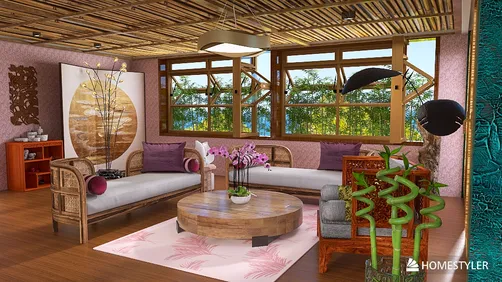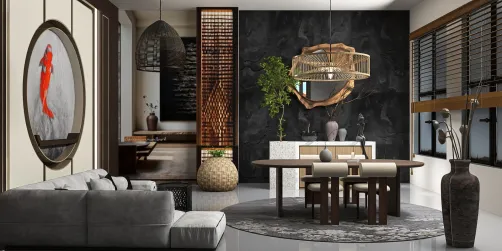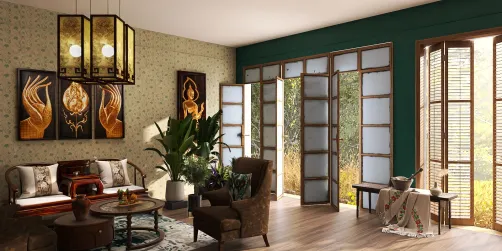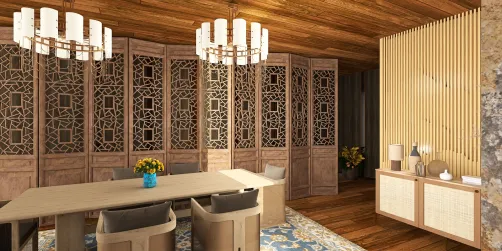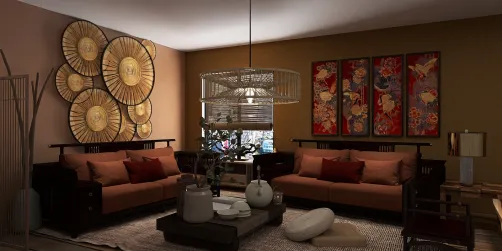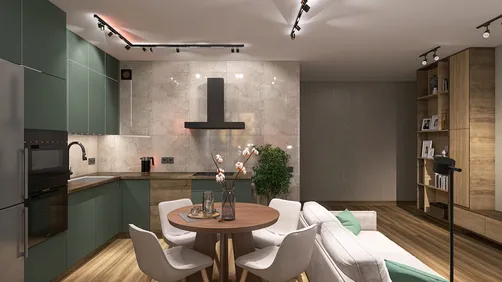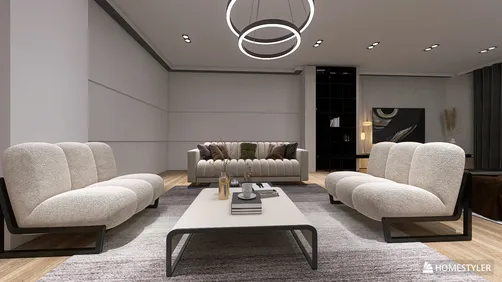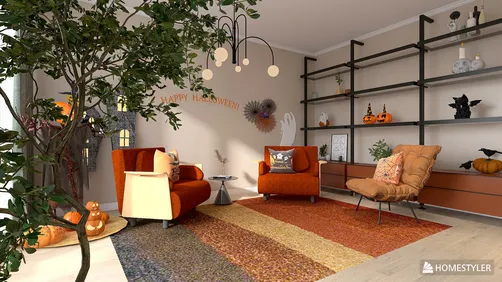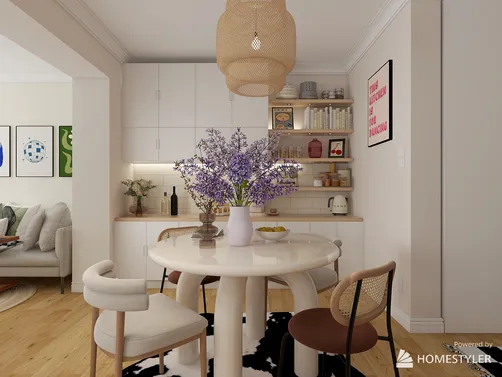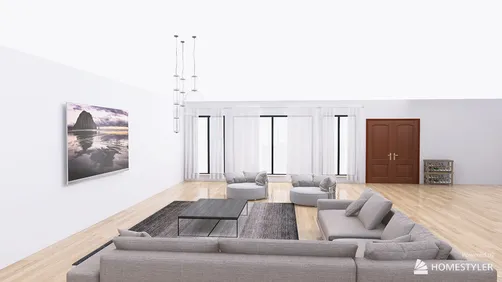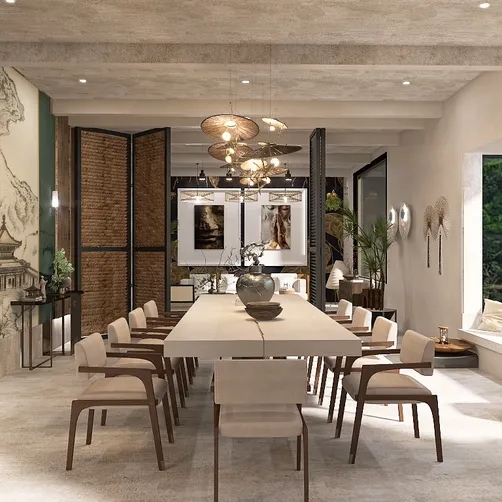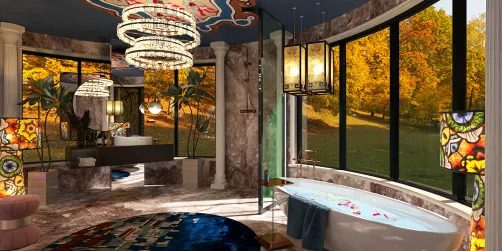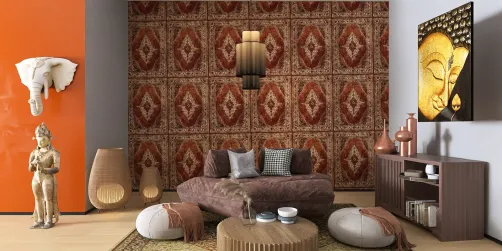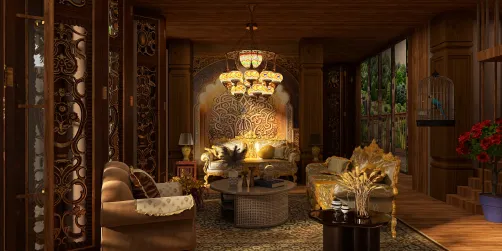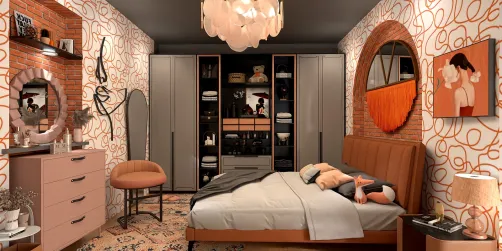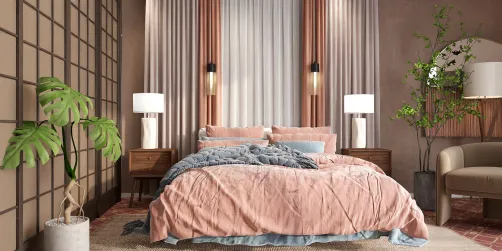
As we look toward future living environments, today's homes still grapple with issues like noise, clutter, and limited time. The AIA’s Home Design Trends Survey highlights a growing demand for adaptable spaces that cater to both work and family needs. However, many 3 BHK layouts fall short in terms of acoustic comfort and storage capacity—this is where the design of modern 3 BHK floor plans must progress. I envision the unit as a foundational blueprint for a lifestyle, with its arrangement serving as a framework for focus, relaxation, and movement, greatly aided by tools like Homestyler.
Axis-Core Split
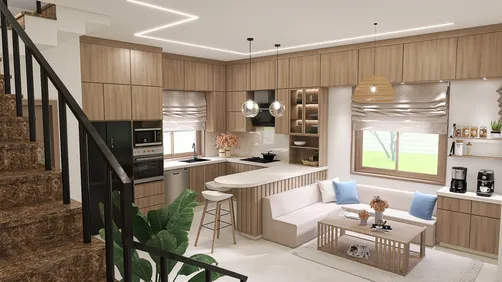
Design Concept: In this model, the dining and kitchen areas form the heart of the home; bedrooms are distributed along a central axis, effectively reducing noise and providing privacy for work, rest, and leisure activities.
Flow: The movement throughout the space follows a sequence: entryway → drop zone → kitchen hub → living area → bedroom cluster. A guest room is strategically placed off the spine, minimizing disturbances to quieter zones.
Sightlines: A direct line of sight runs from the entrance to the balcony, with partial openings that keep the kitchen in sight while subtly concealing bedroom entries, akin to hidden UI components.
Storage: Generously sized hallway closets serve as efficient storage; a kitchen wall pantry combined with under-bed drawers enhances daily organization and minimizes visual clutter.
Furniture Configuration: The sofa depth ranges from 38 to 40 inches; dining tables are recommended at 72×36 inches; queen-sized beds allow for a 30-inch clearance; built-in elements align with the spine for a sleek API-like boundary.
Conclusion: This split-axis approach effectively transforms family routines into parallel tasks, proving resilient to noise fluctuations and schedule variability for the coming years.
save pin
Courtyard Loop
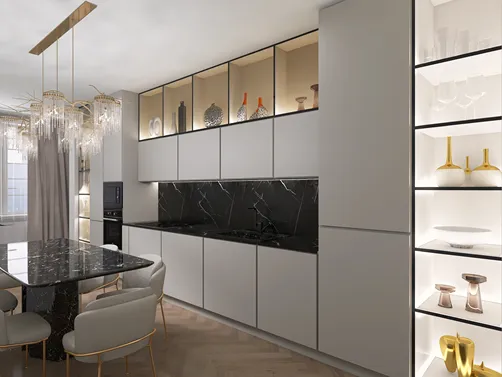
Design Concept: A surrounding loop defines the space, creating a lightwell or balcony that facilitates a continuous circulation path within the 3-bedroom unit, while also establishing micro-climates for work and relaxation.
Flow: The looped pathway flows as follows: entry → living area → balcony → study nook → bedrooms → bathroom core, efficiently reducing dead ends and offering intuitive rerouting options.
Sightlines: Various layers of visibility enhance the experience: close views are focused on work areas, mid-range views capture dining spaces, and distant views aim for natural light outdoors; such UI tiers diminish cognitive burden while promoting tranquility.
Storage: Perimeter cabinetry serves as strategically placed storage, with wall units 16–18 inches deep, linen towers near bathrooms, and gear lockers positioned at the entry point.
Furniture Configuration: Modular sofas are designed in segments from 2.4 to 2.8 meters; compact desks measure 48×24 inches; kids’ bunk beds are height-adjusted for safety, resembling well-managed API calls.
Conclusion: This looping design operates like a self-regulating network, effectively accommodating peak activity times—such as busy school mornings and remote meetings—without any disruptions.
save pin
Quiet-Edge Suite
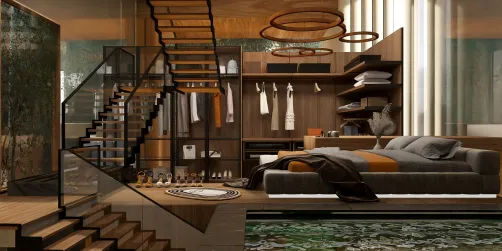
Design Concept: The primary suite is positioned for optimal acoustic privacy; secondary bedrooms are grouped near the bathroom core, with the living area and kitchen located at the forefront to enhance social interaction and light access.
Flow: The layout progresses as follows: entry → living/media area → kitchen peninsula → hallway → secondary rooms → primary suite; transitional spaces function like permission layers in software.
Sightlines: Diagonal sightlines extend from the living area to a window wall; bedrooms maintain short sightlines to ensure privacy is preserved.
Storage: The walk-in closet for the primary suite serves as a central storage hub; tall units in the hallway act as a buffer; the kitchen island is designed for quick access to everyday items.
Furniture Configuration: The primary suite accommodates a king-sized bed with a perimeter of 36 inches; secondary rooms can fit twin to full beds with aisles of 27–30 inches; the peninsula is strategically placed 42 inches away for fluid movement.
Conclusion: This edge-focused layout ensures adaptability for prolonged attention and restful sleep, accommodating both hybrid working patterns and multi-generational living without expanding the square footage.
save pin
Final Insights
A 3 BHK floor plan isn't just about numbers of rooms; it serves as a framework that influences attention, rest, and collaboration. Variations like three-bedroom layouts, family-oriented apartments, and hybrid work spaces demonstrate that the comforts of tomorrow will largely depend on thoughtful circulation patterns and organized storage rather than sheer space. From my observations, the future's most intelligent homes will not necessarily be larger, but instead, more deliberate—principles that I embrace in my designs powered by tools like Homestyler.

Discover your creative potential with Homestyler! This user-friendly online home design platform offers an intuitive design tool, stunning 3D renderings, diverse design projects, and helpful DIY video tutorials. Whether you're a seasoned designer or a novice, Homestyler empowers you to turn your vision into reality effortlessly.