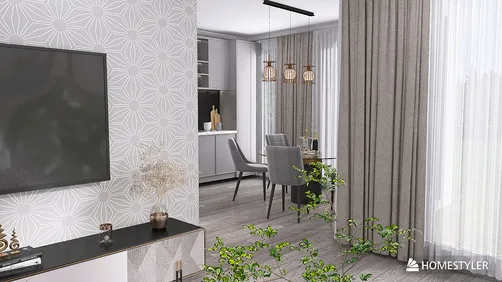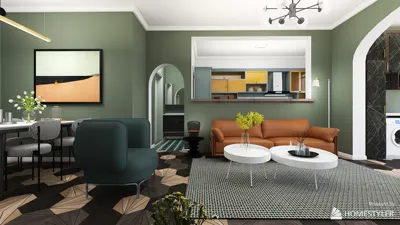
Throughout my design career, I have crafted numerous breakfast nooks within the confines of compact city kitchens as well as expansive suburban residences. The key to achieving optimal results lies in meticulous attention to detail: selecting the perfect table dimensions, maximizing the influence of natural light, and organizing movement to create a seamless flow. A well-planned breakfast nook can comfortably accommodate your daily rituals and weekend coffee moments without feeling overly cramped—provided that scale, proportion, and ergonomics are effectively balanced.
In limited dining scenarios, adequate clearances are critical. Research from Steelcase highlights that factors like seat pitch and mobility significantly impact perceived comfort and the desire to linger; I apply these principles to residential nooks by ensuring a minimum of approximately 24–30 inches of clearance behind seated diners. The WELL v2 standards also emphasize the importance of controlling glare and ensuring proper lighting; for breakfast meals, aim for around 300–500 lux on the tabletop with warm-neutral shades of 2700–3000K to alleviate eye strain and enhance the inviting atmosphere. According to Verywell Mind, soft warm colors such as muted terracotta and buttercream can enhance comfort and stimulate appetite compared to cooler, more clinical tones.
Practical constraints in design are crucial: most small kitchens provide a niche ranging from 48 to 72 inches in width. Implementing a round table measuring 30 to 32 inches in diameter, along with two chairs and a bench or banquette, preserves spatial harmony and facilitates easy access. I prefer to slightly offset the table to improve knee clearance and viewpoints toward a window. If your nook design entails reassessing seating arrangements or door swings, a layout tool like Homestyler is indispensable for visualizing different scenarios and communicating your ideas with a contractor.
Selecting the Optimal Small Table Shape
For areas under 36 inches in diameter, I typically recommend round tables as they promote smooth circulation and eliminate conflicts caused by corners. An oval or racetrack table (30 x 42 inches) works perfectly for tight spaces, providing seating for three without sharp edges obstructing movement. When using a wall bench, a narrow rectangular table (24–28 inches deep) with rounded corners is effective in preventing leg bumps and ensuring generous aisles. Even in the coziest nooks, a delicate pedestal base is preferable to a four-legged design, as it prevents leg interference that can make dining feel restrictive.
Essential Dimensions and Clearances
As a baseline for planning, allocate 18–20 inches for seat depth and a width of 24 inches per diner at the table. Table legs or a pedestal should provide a knee clearance of 12–14 inches from the edge to the base. I also ensure at least 30 inches from the edge of the table to the nearest wall or cabinet for traffic flow; increase this to 36 inches if the nook doubles as a main passageway. Adhering to these specifications fosters ergonomic comfort as confirmed by Steelcase’s workplace seating studies, which translate effectively into home settings.
Light, Color, and Morning Relaxation
Breakfast nooks function best when daylight is judiciously controlled. Employ sheer roller shades or light-filtering Roman blinds to balance illumination across the table evenly. The WELL v2 framework supports a layered lighting approach: coupling a soft pendant dimmed to about 300–500 lux with task-friendly, high-CRI bulbs (CRI 90+) ensures color accuracy for foods and finishes. For ambiance, I prefer warm neutrals or soft greens; according to Verywell Mind’s color psychology, green shades can mitigate anxiety and foster tranquility—perfectly fitting for energizing morning routines.
Seating Solutions for Small Nooks
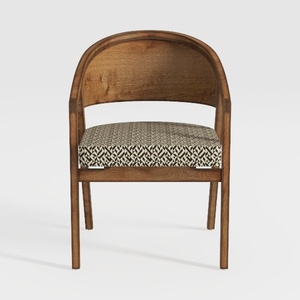
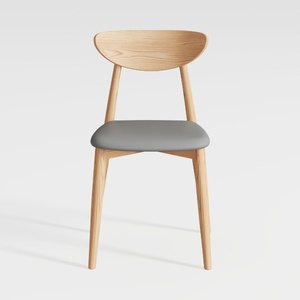
Built-in banquettes serve as remarkable space savers: they condense aisle areas while offering hidden storage for linens. Pairing a banquette with a 30–32 inch round pedestal facilitates a three-person setup that avoids congestion. If opting for chairs, select open-framed designs with slim arms or armless configurations to minimize visual heaviness. The height of seated surfaces should ideally be around 18 inches, complementing a table height of 28–30 inches; this ratio provides ergonomic support for most adults. Designing with rounded corners and waterfall seat edges helps alleviate pressure points.
Material Choices and Upkeep
In busy breakfast corners, I prefer matte finishes to reduce glare and minimize the visibility of fingerprints. Compact laminate and high-pressure laminate are excellent for resisting heat and stains, while solid wood with hardwax oil develops a beautiful patina over time. If you desire a coastal or airy aesthetic, materials such as white oak and ash offer brightness without feeling cold. Upholstery should be performance-grade with stain-resistant features; having removable cushion covers on banquettes simplifies weekly cleaning and extends the lifespan of the space.
Acoustic Comfort in Cozy Dining Areas
Small kitchens with hard surfaces can magnify sound. Incorporating soft seat pads, a textured low-pile rug under the table, and fabric window treatments helps to dampen noise. If the nook is adjacent to appliances, consider using a felt-lined seat base or an acoustic panel that doubles as artwork to absorb sounds and maintain a relaxed atmosphere for conversation.
Workflow, Movement, and Spatial Awareness
Plan your movement from the coffee machine to the table and from the fridge to the banquette, carefully avoiding crossings that could lead to minor collisions. Position the table so it's offset from appliance doors, and create a standing area at the edge of the table for plating benefits. When designing tight kitchens, I utilize a room layout tool like Homestyler to simulate movements involving door arcs, chair pull-outs, and tray placements without uncertainty.
Scale, Proportion, and Visual Harmony
To enhance the perception of space at a small table, consider balancing weight vertically. Opt for a light, airy pendant light or a slender linear fixture if the table is elongated; maintain a shade diameter of about two-thirds of the table width to prevent visual heaviness. To anchor the ensemble, incorporate a framed artwork or a shallow shelf on the wall across from the seating, mirroring the table finish in that detail to create a harmonious composition.
Trending Design Elements for Compact Nooks in 2024–2025
Current trends in small-space dining showcase soft curves, light woods, and delicate textures. Incorporating mixed materials—such as powder-coated steel bases paired with wood tops—provides durability without overcrowding the visual space. Gentle green upholstery, warm oyster whites, and textures complemented by burnished brass or matte nickel hardware are also prevalent. Keep technology discreet with features like dimmable LEDs, smart speakers tucked into corners, and storage solutions under seats for chargers and placemats.
Recommended Layouts
- Corner banquette + 32-inch round pedestal: comfortably seats 3–4 while optimizing corner circulation.
- Straight bench + slim rectangle (28 x 40 inches): accommodates 3, ideal for narrow galley nooks.
- Bistro setup with 30-inch round + two armless chairs: excellent for micro apartments.
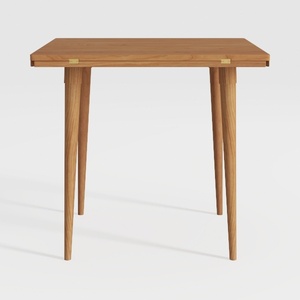
- Drop-leaf table (26–34 inches expanded): versatile for occasional guests, collapses to free up floor space.
Planning Tools
When planning layouts, I utilize a room layout tool to quickly visualize various seating arrangements and traffic patterns, ensuring clearances are confirmed before any purchasing or manufacturing commitments.
Installation and Safety Guidelines
Ensure that pendant fixtures are secured to joists or anchors; the bottom of the shade should hang 28–34 inches above the tabletop for optimal sightlines. When installing a wall-mounted bench, confirm stud placement and its load-bearing capability. Smooth finish edges to prevent fabric snags or injuries, and use floor glides on table bases to protect flooring materials.
Frequently Asked Questions
Q1: What table size is recommended for a two-person breakfast nook?
A 30–32 inch round table is ideal, providing ample elbow room and easy mobility around the chairs.
Q2: What clearance should I maintain around the table?
Keep a distance of 30 inches from the table edge to the nearest wall or cabinet; increase to 36 inches if the area also serves as a main walkway.
Q3: Is a round or rectangular table better for small spaces?
Round tables minimize corner conflicts and create a more fluid atmosphere; rectangular tables pair well with a straight bench in narrower alcoves when space is limited (24–28 inches).
Q4: What lighting level is appropriate for breakfast settings?
Aim for a lighting level of 300–500 lux on the table surface, using warm-neutral lighting (2700–3000K); dimmable fixtures facilitate transitions from early morning to bright midday.
Q5: What type of base is best for compact dining?
A pedestal base is preferable as it reduces leg crowding and enhances knee clearance compared to traditional four-legged tables.
Q6: How can I keep a small nook quiet?
Incorporate soft furnishings—seat cushions, a low-pile rug, and fabric curtains. Consider an acoustic panel if you are near noisy appliances.
Q7: Are drop-leaf tables a practical solution?
Yes; drop-leaf designs minimize footprint for daily use and expand as needed for guests. Ensure sturdy hinges and central supports for extended use.
Q8: What colors can help make a breakfast nook feel inviting?
Warm neutrals and soft greens create a calming and comfortable vibe; they work harmoniously with morning sunlight, reducing a stark, clinical atmosphere.
Q9: At what height should a pendant light hang above the table?
The base of the pendant fixture should be positioned 28–34 inches above the tabletop to maximize visibility and minimize glare.
Q10: Can a banquette fit in a tiny corner?
Certainly. A corner banquette combined with a 32-inch round pedestal can seat three while conserving passage space and providing storage capabilities.
Q11: What materials are easiest to maintain in a breakfast nook?
Both compact laminate and high-pressure laminate, along with sealed solid wood finished with hardwax, are highly durable and easy to clean—perfect for daily dining experiences.
Q12: How can I plan efficiently without over-investing in materials?
Use an interior layout planner to simulate chair movements, door openings, and circulation paths, then confirm precise measurements on-site before any acquisitions.

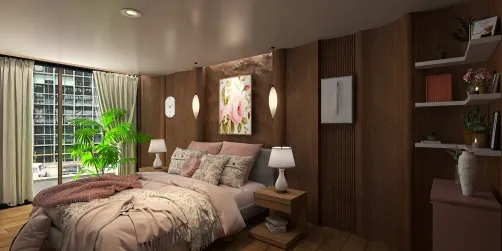
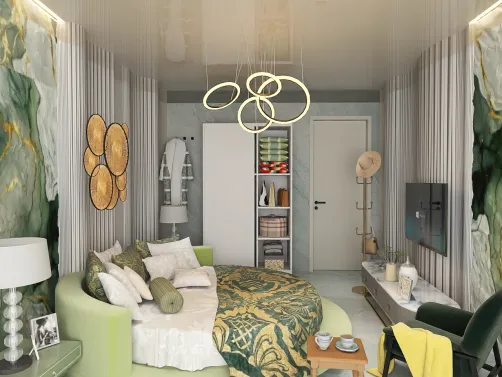
Discover the power of Homestyler, an intuitive online home design platform perfect for all skill levels. With its advanced design tool, stunning 3D renderings, and a wealth of DIY video tutorials, you can effortlessly create and visualize your dream space. Start designing today!








![Design [4]](https://hs-designs.homestyler.com/production/design/images/07c2de3a-88ec-4be8-8910-ff255b795bc2/1731419398293/7841697.jpg?x-oss-process=image/resize,w_502,m_mfit/format,webp)