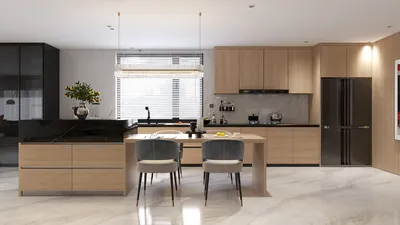
As we look toward the future, we must confront existing housing challenges, including escalating costs, rigid layouts, and insufficient natural light that continue to influence our living patterns. Research from NAHB indicates that the average size of new homes has been declining since 2015, highlighting a shift toward efficiency rather than excess. Within this framework, a 500 sq.ft. ground floor emerges as a testing ground for a micro lifestyle—my clients perceive it as a practical blueprint, a design ready for implementation over the next five years. The planning of this 500 sq.ft. space intricately weaves together the concepts of spatial reasoning, where lifestyle becomes the focal point rather than superficial aesthetics. Employing tools like Homestyler enhances this design process significantly.
Linear Spine Studio (500 sq.ft. ground floor)
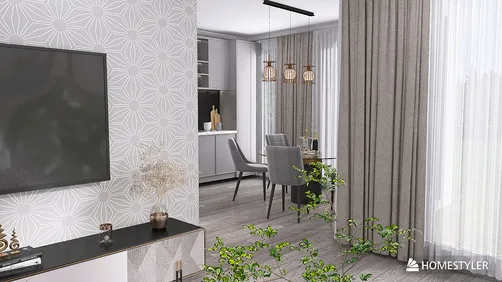
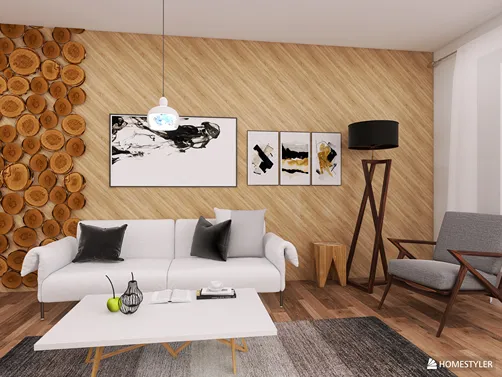
Design Logic: A continuous linear formation places the kitchen, living area, and sleeping space in a sequential arrangement, facilitating small-space living as remote work becomes increasingly common.
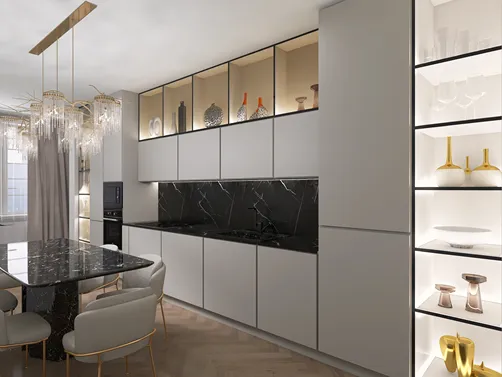
Flow: The arrangement flows from the entryway to a galley kitchen, followed by a living deck, a sleep alcove, and a bathroom; each segment minimizes transitions, akin to efficient programming functions.
Sightlines: A corridor extends from front to back, providing a consistent reference line; large windows at both ends create a bright environment, with daylight serving as the primary indicator.
Storage: With full-height wall pantries, bed-base drawers, and a shallow utility wall, this design emphasizes accessibility while ensuring cold storage is distinct from frequently used items.
Furniture Fit: A sofa measuring between 72 and 78 inches, a 30-inch deep work table, and a queen platform bed sized at 60 by 80 inches, all configured to maximize space efficiency while maintaining high performance.
Verdict: Within the confines of a 500 sq.ft. layout, the linear spine concept is adaptable, accommodating different routines that range from solo living to hosting guests seamlessly without compromising functionality.
save pin
Courtyard Loop Micro-1BR (500 sq.ft. ground floor)
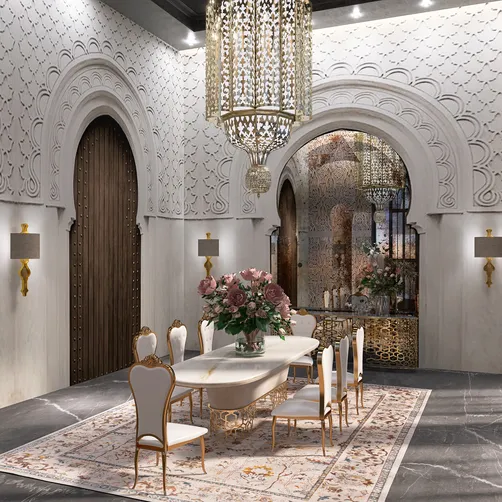
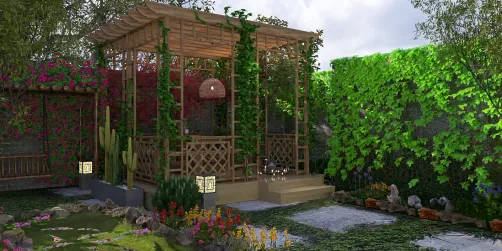
Design Logic: The integration of a pocket courtyard—essentially a light well—serves as the loop's anchor; future considerations must include biophilic design elements and thermal stability in urban environments.
Flow: The layout leads from the entryway, around the light core, into a kitchen niche, then looping through a living space, a bedroom pocket, and concluding at the bathroom; this design eliminates dead ends for a seamless transition.
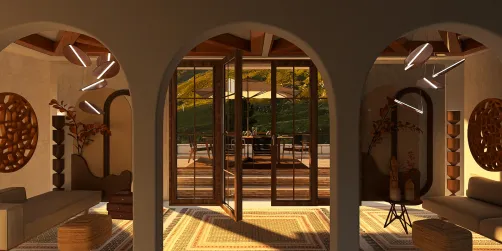
Sightlines: The perimeter glazing surrounding the courtyard creates layered visuals: dedicated task areas in the foreground, greenery in the mid-ground, and the expansive sky in the background.
Storage: A ring-shaped closet around the loop, a vertical utility tower, and a bench cache at the edge of the courtyard maintain an organized system.
Furniture Fit: A drop-leaf dining table measuring 30 by 60 inches, an 84-inch compact sectional, and a sliding door wardrobe with a 24-inch depth are designed for optimal space usage, maintaining low latency.
Verdict: The circular architectural design transforms a small footprint into an airy system, anticipating longer residency and promoting wellness-focused lifestyles.
save pin
Split-Zone Flex Grid (500 sq.ft. ground floor)
Design Logic: Comprising two 10-foot bays and one 12-foot bay, this grid structure becomes adaptable between a studio space and a one-bedroom layout—essential as future lease demands evolve with shifting income streams.
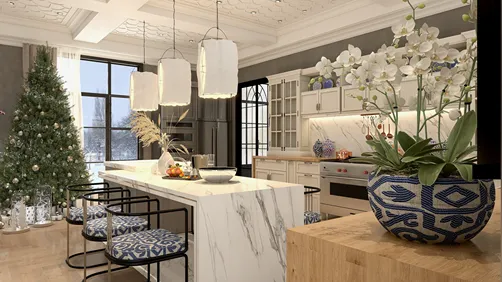
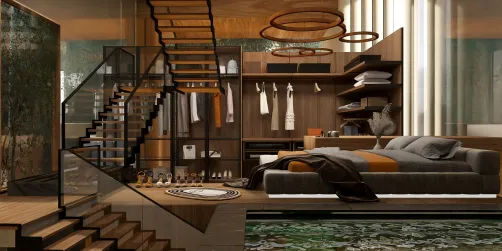
Flow: The layout begins at an entry buffer, transitions into the flex bay (which can serve as a workspace or guest area), connects to the service bay (kitchen and bathroom), and concludes in the retreat bay (sleeping area); reversible hinges facilitate easy transitions between configurations.
Sightlines: A diagonal view from the entry to the retreat area provides a gradual privacy transition, comparable to the concept of progressive disclosure in user interface design.
Storage: The design features overhead storage areas, an 18-inch deep millwork wall, and a wet-core closet situated near the bathroom ensuring a clear segregation of necessary items.
Furniture Fit: A Murphy bed, a 48-inch workstation, and a 30-inch counter accompanied by 24-inch appliances ensure precise measurement to optimize integration while maintaining design integrity.
Verdict: This flexible grid design anticipates various lifestyles—blending work, rest, and social spaces without conflicts within a compact format.
save pin
Final Takeaway
A 500 sq.ft. ground-floor layout is not merely a compromise but rather an efficient operating system where every small decision impacts functionality. Whether termed a micro apartment or a tiny unit, the layout must function as code for the future—featuring clear pathways, organized storage, and precise design constraints. The most innovative 500-square-foot designs will not expand in size but will enhance intention. My experience shows that thoughtfully designed small spaces, especially when utilizing tools like Homestyler, can dramatically transform how individuals experience their living environments.



Discover your dream space with Homestyler! This outstanding online home design platform features an intuitive design tool, stunning 3D renderings, a plethora of design projects, and engaging DIY video tutorials. Whether you're a beginner or a pro, bring your vision to life effortlessly!