I have always maintained that a small round side table serves more purposes than merely supporting a lamp; it can create an attractive seating arrangement, enhance movement clarity, and bring balance to a space without overcrowding it. Particularly when budgets are limited, the selection of the right diameter, material, and positioning can significantly impact a room—this is especially true in smaller apartments, studios, and micro-living environments. Tools like Homestyler can help visualize this before making any decisions.
The size and proportions of the table are crucial. For living rooms, a side table with a diameter of 16–20 inches generally provides the ideal reach and clearance. Research from Gensler indicates that clear spatial organization and unobstructed movement contribute to a more favorable user experience—these same principles apply within residential settings. Ergonomically, Herman Miller suggests that the best reach for seated activities is about 18–24 inches, which assists you in determining appropriate distances between the table and your seating area. Moreover, the WELL v2 guidelines emphasize the importance of lighting and glare control; thus, pairing a small round table with a lamp that emits 300–500 lumens can alleviate eye strain while keeping surfaces functional.
Design Considerations: Why Round is Ideal for Limited Spaces
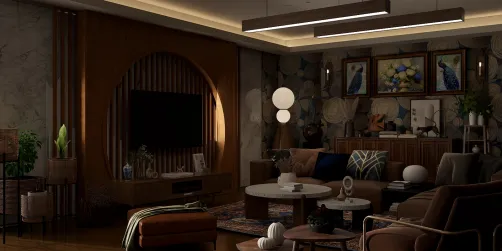
The circular shape of a round side table avoids hard edges that may bump into knees, reduces visual heaviness, and fosters a smooth flow around the room. In compact living environments, these round tables minimize the likelihood of accidents in transit areas. For arrangements with multiple seats, an 18–20 inch table comfortably serves both a sofa and an accent chair without requiring people to stretch excessively. Furthermore, the circular form contributes to harmony, reflecting the shapes of light fixtures, mirrors, or rounded upholstery, making the design feel cohesive.
Affordable Materials That Appear Upscale
Select one high-quality detail to guide your choices: whether it's the pattern of the veneer, a matte finish, or a sleek edge design. Powder-coated steel bases outperform lower-quality chrome when it comes to durability and resistance to scratches. Additionally, laminates with a matte surface provide a more sophisticated look than glossy finishes. For eco-friendliness and strength, engineered wood with superior edging often surpasses softer hardwoods in busy households. In environments where sound dampening is necessary—such as homes with hard flooring—consider placing a cork or rubber pad underneath to minimize noise when the table is moved.
Measurements: Height, Diameter, and Reach
Aim for a table height that is within two inches of the armrest height for optimal usability. For smaller loveseats, an 16–18 inch diameter should suffice, while for more spacious seating areas, you might opt for a diameter of 20–22 inches. Ensure a clearance of 18–24 inches from the front of the seat to the edge of the table so that items like drinks and remotes are easily accessible. These distances align perfectly with ergonomic reach standards established by Herman Miller’s research.
Lighting and Color Influence
Round tables are excellent bases for task or accent lighting. As per the WELL v2 guidelines, minimize glare by using diffused light and avoiding high-intensity bulbs that are at eye level; warm white light in the 2700–3000K spectrum helps create a relaxed evening atmosphere, while 3000–3500K light strikes a balance for reading tasks. Colors play a significant role as well; according to insights from Verywell Mind, blues and greens tend to create a calming zone, while warm shades radiate warmth and hospitality. A soft matte finish on a small round top can balance out vibrant upholstery, giving the overall setting a more harmonious feel.
Layout Strategies for Compact Spaces
Start with circulation paths in mind. Aim for at least 24–30 inches of clearance around seating areas. If you anticipate frequently changing your setup—from a movie night to a reading nook—opt for a lightweight table that can be moved with ease. For L-shaped sofas, position the table close to the inner corner to cater to both seats. In studios, a compact 18-inch round table with storage stools underneath creates a multifunctional central hub. If quicker layout adaptations are essential, tools like Homestyler can assist in visualizing space and reach prior to making a purchase.
Room Layout Tool
Material Combinations Under $100
- Powder-coated steel base paired with laminate or MDF top: sturdy, contemporary, and easily maintained.
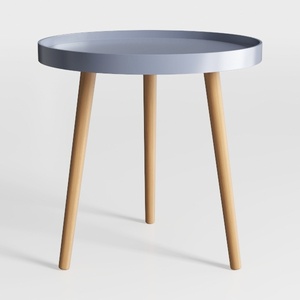
- Solid rubberwood top with splayed legs: offers stability, warmth, and affordability.
- Engineered veneer top alongside tripod steel base: adds a touch of elegance without the hardwood price tag.
- Recycled plastic or composite top with tubing base: environmentally friendly and water-resistant, perfect for outdoor areas.
Acoustic and Human Considerations
In vibrant spaces, choose tops that feature softened edges and bases that protect the floor to minimize noise when in motion. Lightweight tables should be stable under stress; selecting tripod bases with a wider footprint or adding a bit of weight at the bottom can help. Ensure that there is ample clearance beneath the tabletop for easy maneuvering; avoid sharp undersides. If you frequently entertain, select finishes that resist stains and heat marks to maintain a clean aesthetic.
Budget-Friendly Styling Tips
Opt for one standout decorative item—such as a small sculpture or a chic vase—rather than cluttering the surface. A stack of coasters combined with a single book creates a harmonious vertical layer. If the table also serves as a lamp stand, ensure that the cords are neatly managed, using adhesive clips along the table leg to avoid visual distractions. In compact spaces, choose finishes that echo the flooring or sofa legs to create a cohesive palette.
Micro-Living Trends for 2024–2025
Current trends feature slimmer profiles, varied textures (like shiny tops paired with matte bases), as well as multifunctional furniture such as tables that integrate with modular sofas. Environmental awareness is also becoming key, with recycled materials and FSC-certified woods appearing at accessible price points. Compact table diameters with generous overhangs are trending as they feel open yet serve practical purposes.
Essential Buying Checklist
- Diameter: 16–20 inches for cozy seating; 20–22 inches for larger settings.
- Height: keep within 2 inches of the armrest height.
- Finish: opt for a matte or satin surface to minimize glare and facilitate cleaning.
- Stability of base: prefer tripod or splayed legs with scratch-resistant feet.
- Weight: light enough to move around but heavy enough to avoid tipping.
- Warranty and assembly: scrutinize the quality of hardware and clarity of assembly instructions.
Frequently Asked Questions (FAQ)
Q1: What diameter is ideal for a small living area?
A1: A diameter of 16–18 inches typically accommodates a drink, a book, and a lamp while maintaining good circulation. For larger or deeper seating, a diameter of 20 inches provides additional surface area without compromising compactness.
Q2: What height should a side table be in relation to my sofa?
A2: Aim for a height within 2 inches of your armrest to maintain natural reach and ease of use when placing or retrieving items.
Q3: Is a round table more advantageous than a square one in small spaces?
A3: Round tables tend to remove hard corners that can snag on knees and visually lighten the overall appearance, making them better suited for narrow paths.
Q4: What lighting specifications should I consider when using a lamp on my table?
A4: For reading, lighting of 300–500 lumens with warm to neutral white light (2700–3500K) is recommended. Using diffusers or lampshades as per WELL v2 guidelines helps minimize glare.
Q5: Which budget materials convey a premium feel?
A5: Choices like matte laminates, engineered veneers with meticulous edge finishing, and powder-coated steel bases tend to appear more upscale compared to shiny laminates or inferior quality chrome.
Q6: How much space should I allow around the table?
A6: Maintain a clearance of 24–30 inches around the table for comfortable movement, particularly near doorways or main pathways.
Q7: Any recommendations for stability with lightweight tables?
A7: Opt for designs with splayed or tripod legs for a broader base, include non-slip feet, and avoid top-heavy styles.
Q8: What colors help small spaces appear more serene?
A8: Soft blues and greens tend to evoke calmness, while warm neutrals create a welcoming environment. Using matte finishes also helps to reduce visual glare.
Q9: Can a small side table support a lamp used daily?
A9: Certainly—just ensure to check the lamp's base size and weight, and place the lamp towards the center. Avoid excessively tall, top-heavy lamps that risk tipping the table.
Q10: How can I style my table to avoid clutter?
A10: Limit the tabletop decor to one sculptural item, a stack of coasters, and a single book. Keep cord management neat with clips running along the leg.
Q11: Are recycled materials durable enough for use in side tables?
A11: Yes, recycled composites and plastics can be quite durable and moisture-resistant, especially for outdoor applications, assuming the base is properly designed.
Q12: What if I need to frequently change the seating arrangement?
A12: Choose a lightweight, round table and use a room layout tool like Homestyler to visualize various configurations, ensuring that reach and clearance remain comfortable in each arrangement.
Looking to transform your living space? Homestyler is the ultimate online home design platform that offers an easy-to-use design tool, stunning 3D renderings, and a variety of inspiring design projects. Plus, with helpful DIY video tutorials, you’ll have everything you need to bring your vision to life!









![Design [4]](https://hs-designs.homestyler.com/production/design/images/07c2de3a-88ec-4be8-8910-ff255b795bc2/1731419398293/7841697.jpg?x-oss-process=image/resize,w_502,m_mfit/format,webp)