After years of designing compact interiors for urban studios and micro-lofts, I understand that bicycles are both treasured and cumbersome. The objective is clear: ensure easy access to the bike for maintenance while preserving living space and visual appeal. Research by Gensler highlights that over 50% of city dwellers value walkability and bikeability when choosing neighborhoods. Unfortunately, many apartment designs allocate less than 10% of the area for storage solutions. The WELL v2 framework emphasizes the importance of active transportation, advocating for environments that facilitate physical activity, including hassle-free bike access. Thus, the requirements are straightforward: bike storage must be compact, secure, and intuitive to use.
Ergonomics also plays a crucial role. According to Steelcase research, clutter can lead to cognitive overload and decrease focus, while visual distractions can increase stress and diminish comfort and productivity at home. Regarding illumination and safety, the IES suggests providing adequate lighting in key circulation areas—aim for 100-200 lux near entry points—allowing for smooth mounting and dismounting of bike racks. Meeting these standards guarantees a solution that remains tidy while also being comfortable and safe for daily use. For more detailed information on design protocols and how clutter relates to performance, refer to Steelcase studies and IES standards (ies.org/standards).
Selecting the Ideal Bike Rack for Your Compact Living Space
Before making a purchase, I evaluate three key factors: available space, typical usage, and wall strength. It's important to measure the vertical height (from ceiling to floor), the wall's width, and the swing of doors. Observing your biking habits is also crucial—do you ride every day or just on weekends? Daily riders will benefit from low-lift, quick-latch bike racks, whereas occasional cyclists can manage higher or more complex mounting solutions. Additionally, verify the type of wall (stud, masonry, or drywall-only) and its load-bearing capacity; most bikes weigh between 18-35 lbs, while e-bikes can reach 40-70 lbs. Using stud anchors or masonry anchors is essential for securing vertical and ceiling-mounted racks.
Best Bike Rack Styles for Limited Spaces
Ideal for: confined entryways and alcoves. These designs cradle the front wheel using a compact hook and backing plate. Opt for models with 2-3 inches of lateral adjustment, allowing handlebars to angle away from pathways. Incorporating a rubber bumper at the rear wheels helps in preserving the bike’s paint. The ideal mounting height positions the top hook at approximately chest to eye level, mainly between 58 to 68 inches from the floor depending on the bike's dimensions.
These designs swing the bike closer to the wall after securing, reducing projection by 20-40%. They're particularly effective in narrow hallways where maintaining code-clear width is vital. Seek models that offer a 30-45° pivot feature, along with an integrated tire tray and felt or TPU contact surfaces.
Perfect for spaces with higher ceilings and decorative walls—transform the bike into a piece of art. Ensure the arms are adjustable to accommodate various frame shapes. If you frequently host guests, position the bike above seating areas to create a curated look rather than an eyesore. Keep a clearance of 12-16 inches above any furniture for visual balance.
If you're a renter who prefers not to drill into walls, compression systems that fit between floors and ceilings with adjustable cradles are your best bet. Confirm that the ceiling height is within acceptable ranges (often 7'–10') and check that rubber footpads provide adequate slip resistance. Two-bike variants can stack vertically, optimizing capacity within a condensed 20–24 inch footprint.
When wall space is limited or delicate, a self-sustaining A-frame or easel stand is an effective alternative. Look for a stable base (at least 18 inches wide) with non-marking feet. Expect to sacrifice about 1 to 1.5 square feet of floor space—still a feasible trade-off in the corner of a studio.
For ceilings higher than 9 feet, consider overhead bike storage. A two-point pulley hoist with a locking cleat allows bikes to remain horizontal while lift-assist models make it easier to handle heavier e-bikes. It's essential to check the location of the joists and ensure shear capacity is adequate; avoid using this method with suspended ceilings. Also, plan for sufficient clearance when retrieving bikes near entry paths.
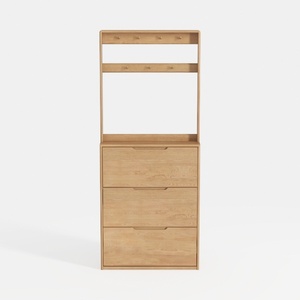
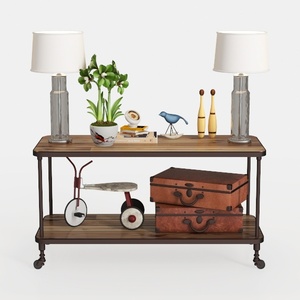
For living areas, consider furniture like consoles or shelving systems that incorporate bike cradles. They can double as storage for helmets, shoes, and tools, helping to minimize visual disorder. Choose robust edge banding and scratch-resistant laminates where parts may come in contact with bars and pedals.
Planning Layout for Limited Footprints
I prefer to design layouts before finalizing hardware installation. Measure circulation widths (aiming for 32-36 inches of clear space), door swings, and sightlines from primary seating areas. If the bike rack is in proximity to coat or laundry closets, ensure a minimum offset of 8-10 inches from door frames to avoid conflict. In open studio settings, align bikes along the longest uninterrupted walls to create a steady visual flow; in narrow railroad apartments, use vertical mounts in a staggered fashion, allowing handlebars to interlock without contact.
While testing placements, utilizing a lightweight interior layout planner can aid in simulating reach ranges, door arcs, and natural lighting conditions at different times of the day. If you prefer a quick visual tool for iterating designs, consider a room planning visualization tool such as Homestyler to experiment with layouts and sightlines before committing to any installations.
Ergonomics and Everyday Usage
Bike storage becomes ineffective when it complicates your everyday routine. Keep the grab points positioned between 30 and 60 inches for easy access. For racks that require vertical lifts, using a gentle upward motion minimizes wrist strain; rubber or foam grips at crucial points can protect delicate carbon rims. When multiple individuals use the bike rack, adjust the hook height to accommodate the shortest user and consider adding a small step for others. Maintain a 3-4 inch gap between pedals and the wall to prevent scuffing.
Lighting, Acoustics, and Materials
Proper lighting prevents accidents and integrates the bike seamlessly into the living space. Aim for a brightness of 150-200 lux in the bike area using a warm-neutral light source (3000–3500K) to enhance aesthetics and minimize glare on shiny surfaces. A slender wall washer can subtly highlight the bike while also serving as an entryway light. To improve acoustics, add felt pads where contact occurs; minor separation reduces noise when docking. I favor high-pressure laminate or oak veneer with a hardwax oil finish for backing panels—these materials are durable, easy to repair, and simple to maintain. For floor protection, a 3-4 mm rubber mat captures moisture from wet tires after rides.
E-Bike Considerations
E-bikes require higher load ratings and more effective heat management while charging. Position chargers away from soft furniture and allow airflow around the batteries. Only suspend e-bikes using certified lightweight hooks. Look for systems rated for 60-100 lbs and ensure they're anchored into studs or joists. Cable management clips can help prevent trips and reduce visual clutter.
Safety, Wall Protection, and Regulatory Compliance
Review lease agreements or HOA regulations regarding wall installs. In shared corridors, fire codes often prevent protruding objects, so it’s best to store bikes inside the unit. Employ wide-backplate hardware to distribute weight on drywall, and add a secondary safety tether for ceiling hoists. If wall aesthetics are important, mount a detachable backing board beforehand, concentrating fasteners and preserving the wall from damage caused by tires.
Design and Visual Harmony
Your bike can serve as an art piece. Align the top tube with neighboring shelf lines for visual coherence, and match the frame color with a small accessory—like a planter, art frame, or throw pillow—to create an integrated look. Keep your arrangement minimal; position one standout bike per wall segment to prevent visual overcrowding. If you have two bikes, stagger their heights by 6-8 inches for balance.
Maintenance Area
Set aside a small maintenance kit nearby: pump, multi-tool, chain lubricant, and microfiber cloth. A shallow shelf (6-8 inches) above or adjacent to the rack will allow you to keep these items accessible without adding clutter.
Cost Overview
- Entry-level hooks and trays: budget-friendly, minimal hardware, suitable for lightweight road bikes.
- Mid-range pivoting or adjustable wall mounts: provide better protection and more precise projection management.
- Premium systems that integrate with furniture or feature lift-assist technology: highest quality and ergonomics, perfect for living spaces that showcase the bike.
Quick Installation Guide
1) Utilize a reliable stud finder to locate studs; verify with a pilot hole. 2) Pre-drill holes to prevent material splitting; employ lag screws according to manufacturer specifications. 3) Ensure everything is level precisely; even a slight tilt of 2-3° can lead to operational issues. 4) Add protective barriers where pedals or handlebars may come into contact with the wall. 5) Test with a partial load before fully mounting the bike.
Frequently Asked Questions
A pivoting vertical wall rack optimally reduces projection while preserving clear circulation space. Look for models that allow 30–45° swinging and feature a slim tire tray.
Aim for 150–200 lux lighting in the bike storage area, aligning with IES guidelines for circulation/task zones; maintaining a color temperature of 3000–3500K minimizes glare while preserving color integrity.
For standard bikes, I advise against using drywall only. Secure racks to studs or masonry anchors. If studs are not properly aligned, install a plywood backing board anchored to the studs, followed by mounting the rack to this board.
Select racks with load ratings of 60–100 lbs, ensuring they are anchored into studs or joists. Consider lift-assist or low-lift floor-to-ceiling mounting options to ease user effort. Always keep chargers well-ventilated and organized to avoid hazards.
Absolutely, provided the base is sufficiently wide (18 inches or more) and the feet are non-slip. Position it in a low-traffic area to limit bumps.
Utilize a backing panel, tire trays, and soft bumpers at contact points for pedals and handlebars. A rubber mat will also safeguard floors from moisture after wet rides.
Organize bikes on a tension pole or offset vertical mounts, ensuring hooks are staggered by 6–8 inches to allow handlebars to clear each other.
It's a tight fit; hoists work best with ceilings over 9 feet. For 8-foot ceilings, consider vertical wall mounts or low-profile options.
Treat it as a deliberate design feature: align it with adjacent shelving, keep adjacent walls uncluttered, and select coordinating accessories to harmonize your decor.
A tension pole extending from floor to ceiling eliminates the need for drilling. Always verify the compression system’s height range and floor pad quality to keep finishes intact.


Looking to design your dream home? Homestyler is an exceptional online platform that empowers you with an easy-to-use design tool, stunning 3D renderings, inspiring design projects, and helpful DIY video tutorials. Unleash your creativity and transform your home with confidence!










![Design [4]](https://hs-designs.homestyler.com/production/design/images/07c2de3a-88ec-4be8-8910-ff255b795bc2/1731419398293/7841697.jpg?x-oss-process=image/resize,w_502,m_mfit/format,webp)