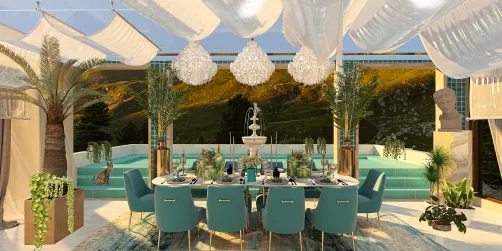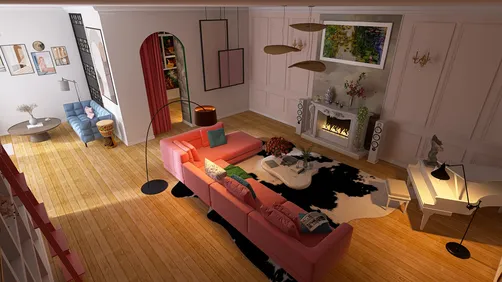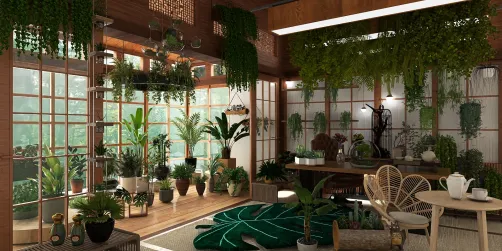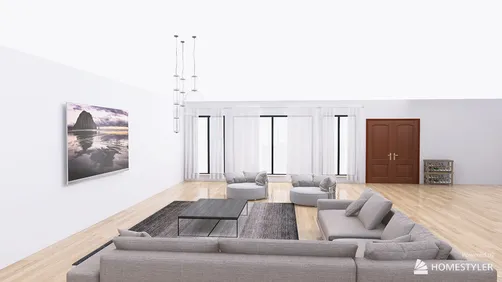
I've crafted numerous cozy dining areas—ranging from urban apartments to narrow Victorian homes—where a compact dark wood dining table becomes the centerpiece of the environment. When executed correctly, it appears stylish and ageless, never giving a cramped sensation. The essential factors include scale, effective lighting, and ease of movement, using materials that ensure both durability and visual warmth, especially with tools like Homestyler for layout planning.
Research consistently highlights that effective lighting and comfort significantly enhance the daily enjoyment and utilization of dining areas. The WELL Building Standard emphasizes the importance of controlling glare and ensuring balanced lighting for visual comfort, recommending ambient light levels between 200-300 lux for social areas, while focused lighting near the dining table should reach around 300-500 lux. Additionally, studies from Steelcase suggest that comfort, influenced by ergonomic chair dimensions and posture support, minimizes fatigue during extended meals. The insights from Verywell Mind indicate that warm hues can foster a cozy atmosphere and stimulate appetite, while cooler shades can alleviate visual heaviness—an effective strategy when combining dark woods with compact rooms.
I prefer dark wood tables—such as walnut, oak with a wenge stain, or espresso-stained ash—because of their rich grain and timeless elegance. However, in smaller rooms, clever design choices become crucial to manage their visual weight: slim aprons, tapered or splayed legs, rounded edges, and tabletops between 18–25 mm thick are effective. I also opt for adaptable seating—two main chairs and a couple of stackable or folding options—while ensuring ample lighting and circulation to maintain the table's position as a graceful focal point rather than an obstruction, a principle that can be easily visualized using Homestyler.
Proportions That Work in Tight Spaces
For seating arrangements catering to two to four diners, a round or square table ranging from 30 to 36 inches (76 to 91 cm) is ideal. If additional seating is occasionally needed, a round table measuring 30 to 32 inches combined with armless, slim-profile chairs can suffice. The preferred table height is approximately 29 to 30 inches (74 to 76 cm). It's important to maintain a minimum clearance of 36 inches (91 cm) from the edge of the table to any wall or major obstruction to facilitate comfortable movement; ideally, 42 inches (107 cm) is preferable if your layout permits. These spatial recommendations promote smooth circulation and prevent any awkward elbow bumping with nearby furniture.
Round vs. Rectangular: Choosing the Ideal Shape
Round tables enhance flow and make corners feel less constricted, making them perfect for bay windows or irregular layouts. On the other hand, rectangular tables work well in galley kitchens or areas aligned with a culinary peninsula. In contexts where space is limited and the dining area serves multiple purposes, a rectangular table measuring 48 to 52 inches (122 to 132 cm) suited for benches can fit snugly against a wall when not in use. For complex floor plans, utilizing a room layout tool can assist in evaluating clearances and chair movements quickly: this is where tools like Homestyler shine.
Lighting: Lifting the Visual Weight of Dark Wood
Utilizing layered lighting is crucial. Aim for ambient light around 200 to 300 lux to ensure surfaces are evenly illuminated, supplemented by a pendant light hung 28 to 34 inches (71 to 86 cm) above the dining area for intimacy and glare reduction. Employ diffusers or shades to soften harsh contrasts on dark woods, which might otherwise reveal uneven spots. Opt for a warm-neutral color temperature of 2700 to 3000K to complement wood tones and skin tones alike. A dimmer switch allows for a smooth transition from bright morning light to a cozy evening atmosphere. Following WELL guidelines, ensure that glare is minimized with matte finishes and position pendants strategically to avoid direct sightlines to bulbs.
Color Psychology: Harmonizing Depth and Brightness
Dark wood conveys a sense of tradition and stability. To counterbalance this, pair it with warm whites, soft taupe, or light sage to prevent the space from feeling too heavy. Insights from Verywell Mind regarding color psychology suggest that warmer tones create an inviting environment and can boost appetite—the rationale behind using rust-colored napkins or terracotta tableware. Incorporating cool accents, like slate or smoky blue, maintains visual equilibrium. A textured light rug beneath the table can delineate the dining area from the flooring while brightening the space—opt for low-contrast patterns to reduce visual distractions in smaller rooms.
Ergonomics and Comfortable Seating
Comfort is a key factor influencing the frequency of table use. Aim for a seat height of 17 to 19 inches (43 to 48 cm) with approximately 10 to 12 inches (25 to 30 cm) of knee clearance beneath the table. Recommended chair widths of 18 to 20 inches (46 to 51 cm) keep arms comfortably within tighter footprints; opting for armless designs can save space. If accommodating four chairs around a 32-inch round table, select streamlined chairs with straight or gently splayed legs. Use a bench only when the table is backed by a wall—keeping bench depth within 15 to 17 inches (38 to 43 cm) will maintain proper posture.
Material Strategy: Finishes, Durability, and Sustainability
Whenever possible, select sustainably sourced hardwoods and verify your suppliers provide low-VOC finishes. Semi-open grain woods like oak accept dark stains uniformly and stand up to daily wear, while walnut's inherent depth requires only a clear matte oil or waterborne finish. A matte or eggshell sheen reduces fingerprints and glare effectively. For the tabletop, consider specifying a radius on corners (R10–R25 mm) to soften sharp edges in tight spaces. Additionally, consider using cork or felt pads under chair legs to protect floors and reduce noise.
Acoustic Comfort in Compact Dining Areas
Hard surfaces can amplify noise. Incorporate a soft rug, cushioned seats, or a felt runner to mitigate reverberation. In rooms with high ceilings, a fabric-covered pendant can serve as a small acoustic dampener. Choose matte or textile-based wall decor, and avoid large unbroken glass surfaces close to the table in compact environments. While low-level background music can enhance the ambiance, it is critical to design against unwanted noise.
Styling: Enhancing the Dark Wood Feature
Adopt a minimalist approach with a single centerpiece—whether it's a simple branch vase or an understated bowl. Textiles in oatmeal or tobacco colors offer sophistication. Ceramics with a matte finish add depth without creating glare. Keep a slim side shelf or wall-mounted ledge nearby for carafes and serving dishes to ensure the table isn’t overcrowded. If entertaining frequently, a mobile cart stored in a closet can transform into a convenient sideboard.
Space-Savvy Layouts and Expandability
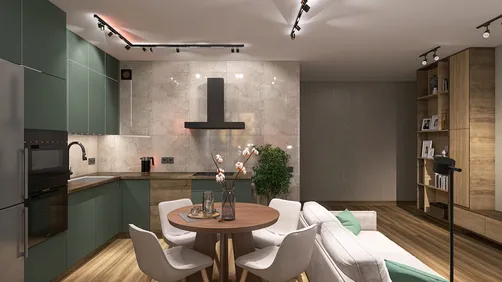
Drop-leaf designs are timeless solutions for small apartments; a 30-inch round table can expand to seat four. Nesting stools or stackable chairs can be stored close by. In open-plan layouts, align the table with the sofa’s axis instead of parallel to walkways—this improves sightlines and minimizes chair clashes. In your planning, simulate distances for chair movement and walking paths using an interior layout planner, like Homestyler, to ensure clearances and avoid unpleasant surprises during dining.
Micro-Dining Trends to Watch for 2024–2025
A shift towards smaller dimensions paired with higher quality materials is emerging; we see rounded-edge designs for safer navigation; matte finishes to reduce glare; and an increase in hybrid seating options (such as a combination of chairs and a bench). Clients are increasingly favoring finishes that are repairable and non-toxic, reflecting a growing awareness of wellness standards and sustainability in home environments.
Maintenance: Keeping the Finish Luxurious
Address spills immediately to avoid stains, particularly with dark stains that can react to moisture. Utilize coasters and steer clear of abrasive cleaning agents. Regularly enhance the surface with an appropriate polish or oil, based on the finish; always perform a test in a hidden section first. Ensure your lighting remains diffused, as strong direct sources can accentuate dust on dark finishes.
FAQ
A round table between 30 to 36 inches or a rectangular table measuring 48 to 52 inches can comfortably seat four when paired with slim, armless chairs. Remember to maintain at least 36 inches of clearance around the table to facilitate easy movement.
Position the pendant light 28 to 34 inches above the tabletop to create an intimate dining experience while keeping glare at bay, in accordance with visual comfort best practices highlighted by WELL standards.
Opt for warm-neutral lighting in the 2700–3000K range to enhance both wood tones and skin, preventing the table from appearing excessively stark under cooler light.
Round tables generally soften spaces and facilitate movement, whereas rectangular tables align well with narrow rooms or galley kitchens. Consider the distance to walls and traffic patterns when choosing your table shape.
Select tables with slender aprons, tapered legs, matte finishes, and rounded edges. Balance these features with lighter wall colors, a subtle rug, and a single, elegant centerpiece for a cohesive look.
Aim for a seat height of 17 to 19 inches, with a chair width of 18 to 20 inches, and ensure there is approximately 10 to 12 inches of knee clearance under the table apron. Armless designs save space and create a less visually cluttered environment.
To enhance acoustic comfort, introduce rugs, fabric seating, and felt runners to dampen sound. Avoid placing large glass surfaces close to the table, and choose shaded pendants to minimize bright reflections and background noise.
Definitely. Pair dark wood tables with warm whites and understated color accents for a balanced look. Employ matte finishes and layered lighting strategies to maintain a serene and sophisticated aesthetic.
Indeed. This approach conserves space daily and accommodates guests with ease. Combine a table that expands with stackable chairs and a compact rolling cart to achieve a dynamic and versatile dining setup.
Ensure at least 24 inches (around 60 cm) of clearance beyond the table's edge on all sides, allowing for chair movement without obstruction. Utilize low-pile, easy-to-clean materials for practicality.

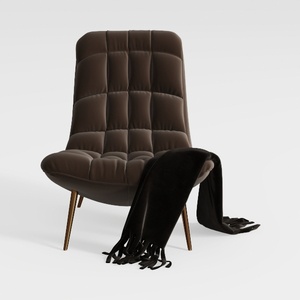
Discover your inner designer with Homestyler! This user-friendly online platform offers an intuitive design tool, stunning 3D renderings, and a wealth of design projects. Plus, its DIY video tutorials make home styling effortless and fun. Transform your space today!
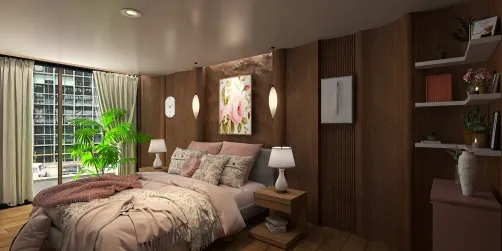



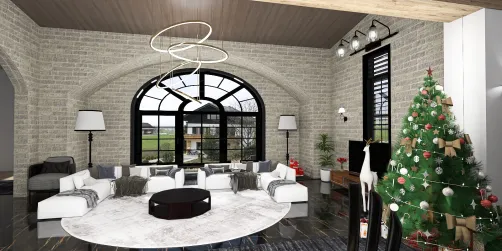







![Design [4]](https://hs-designs.homestyler.com/production/design/images/07c2de3a-88ec-4be8-8910-ff255b795bc2/1731419398293/7841697.jpg?x-oss-process=image/resize,w_502,m_mfit/format,webp)