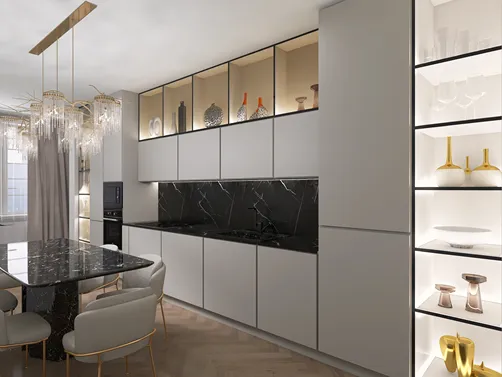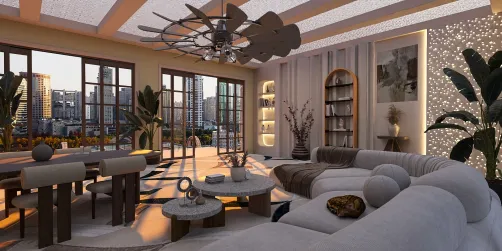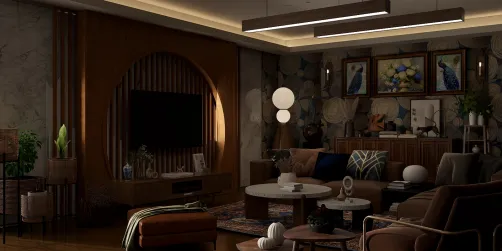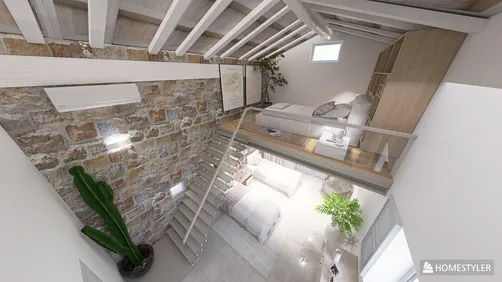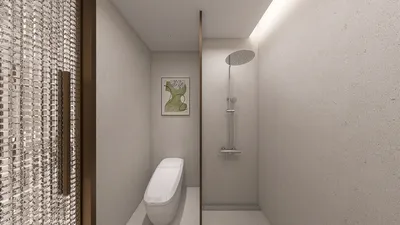
A compact drop leaf kitchen island can transform a limited floor plan into a versatile, social, and highly functional center. In my design projects, these islands frequently increase usable prep space by 20% to 35% when the leaf is raised and conveniently retract to maintain clear circulation when lowered. The concept of space efficiency is backed by research; Steelcase highlights that furnishings that adapt serve to optimize spatial usage in smaller environments, enhancing user satisfaction throughout varying daily tasks. Additionally, WELL v2 emphasizes the importance of comfortable heights and quality lighting to reduce fatigue during food preparation, which aligns with the design of compact, multi-height island solutions seen in tools like Homestyler.
Making informed design choices is critical. The Illuminating Engineering Society advises a lighting level of approximately 500 lux in kitchen areas to ensure safe food preparation. WELL v2 also underscores the necessity for glare control and accurate color rendering, which is crucial when an island serves as both a prep area and a dining or work station. For color selection, opting for subdued warm neutrals with high light reflectance can enhance a small kitchen's perceived space, creating a calm and open environment.
When planning layouts, I typically ensure a minimum clearance of 36 inches (915 mm) around the island in extremely compact kitchens; if seating is part of the design, I aim for 44 to 48 inches to accommodate chair pull-back. When the drop leaf is raised, it's important to simulate both configurations — compact and expanded — to ensure unobstructed movement, access to appliances, and a smooth workflow. Utilizing an intuitive room layout tool can facilitate testing reach zones, seating comfort, and appliance swing space.
Design Rationale: The Effectiveness of a Drop Leaf Island
The hinge mechanism permits immediate adaptability: it can serve as a brunch surface in the morning and a streamlined console in the evening. I prefer positioning the fixed side towards the cooking area and the drop leaf on the social side. This setup safeguards the task zone while enabling quick access to seating. A leaf depth of 12 to 15 inches is sufficient for plates and drinks; for dining that accommodates laptops, increasing the depth to 16 or 18 inches and pairing it with height-appropriate stools equipped with footrests enhances comfort.
Appropriate Sizing for a Compact Kitchen Island
Proportions are essential. I typically design islands with a width ranging from 20 to 28 inches in very small kitchens, extending to 30 or 32 inches only when clearances allow. The length is generally between 32 and 48 inches for one- to two-seat arrangements. A counter height of 36 inches is versatile for combined prep and dining spaces; if cooking is frequent, prioritize an elbow height that is comfortable, which usually means the counter is set 2 to 4 inches below the bent elbow. Maintain a minimum overhang of 10 inches for knee space; ideally, this is 12 inches if the leaf serves primarily for dining.
Storage and Functionality: The Hidden Benefits of a Small Island
Even a small island can offer significant storage options. I usually recommend incorporating one deep drawer for pots and small appliances, a mid-sized drawer for utensils, and a shallow top drawer for knives (equipped with an insert). A slender cabinet on the back (9 to 12 inches wide) can house a pull-out spice rack or tray divider. For those who entertain, a flip-down charging station under the leaf helps keep cords organized. For usability, place cutting boards and knives nearest the cooktop, and store glassware at the social end for fast service.
Lighting and Visual Comfort
Effective task performance is contingent on adequate lighting. Implementing layered lighting is advisable:
To reduce glare, consider using matte or honed finishes on surfaces and choose diffused glass shades. A color rendering index (CRI) of over 90 will enhance cooking accuracy.
Material Selections: Durable, Quiet, and Eco-Friendly
Compact kitchens can enhance wear and sound levels. I recommend these material combinations:
If environmental health is a priority, look for low-VOC finishes and seek FSC-certified wood when possible.
Color Sensitivity for Smaller Kitchens
Color can effectively create an illusion of expanded space. Soft off-whites, light grays, or warm clay-pinks on base surfaces, paired with a brighter countertop, can produce an elegant figure-ground relationship that feels well-organized. Deep-colored accents—such as dark green stools or muted navy pendant lights—can provide focus without overwhelming the design. It’s also vital to match the lighting color temperature: 2700–3000K lighting is attractive for warm tones, while 3000–3500K works better with cooler shades and stainless steel finishes.
Seating Considerations and Human Factors
Ergonomics determine whether the island becomes a favored spot for daily use. For counter-height seating, aim for a seat height of 24 to 26 inches with 10 to 12 inches of knee clearance beneath the leaf. Provide 24 inches of width per seat to avoid discomfort and maintain a minimum depth of 15 inches for a comfy seating experience. If the island serves as a remote work area, it’s wise to integrate a shallow rail to accommodate a power strip and use stools with supportive backrests.
Drop Leaf Functionality and Safety Features
Reliable hardware ensures the leaf operates smoothly. Search for countertop support brackets that can handle the expected load, especially if two people will lean against the leaf. Using a pair of folding corbels or a concealed swing-out leg will add necessary stability. Ensure hinges are recessed, with smooth edges to prevent injury to hands and fabrics. For families with children, consider adding soft-close mechanisms and ensure the support deploys and secures properly.
Acoustic Comfort in Small Spaces
Hard surfaces can heighten noise levels. To mitigate sound, consider using fabric runners, cork placemats, or felt glides on chairs. If the kitchen is connected to living areas, a soft pendant or micro-perforated metal shade above the island can reduce harsh reflections and enhance conversation comfort.
Effective Layout Strategies
Before finalizing designs, it's crucial to test two modes: leaf down for daily circulation and leaf up for entertaining or meal prep. Check appliance swings; for example, a 24-inch dishwasher door plus standing space can quickly reduce clearance. In tight areas, using lockable casters allows the island to be shifted slightly during peak activity. Validate each scenario using an interior layout planner or a modeling tool to evaluate movement paths, seating arrangements, and visibility.
Trends for 2024-2025 Worth Integrating
I'm observing a rise in matte, low-sheen finishes, fluted wood panels on island ends, and thinner quartz profiles (between 12 and 20 mm) that lighten the visual presence. Mixed metal accents, such as satin brass handles paired with brushed nickel stools, create a layered ambiance without overwhelming the space. Integrated power outlets and wireless chargers within the leaf edge keep surfaces organized while accommodating hybrid home routines.
Installation and Maintenance Recommendations
Ensure there is adequate substructure support where hinges and brackets will be mounted. Align the leaf accurately with a 1 to 2 mm gap to prevent pinching. Thoroughly seal wood edges, particularly the end grain on butcher block surfaces. For cleaning, use pH-neutral cleaners on stone surfaces, and periodically check hinge screws and support systems — compact islands often experience frequent adjustments.
Budget Considerations and Value Assessment
Be prepared for a slight increase in costs for quality folding hardware and supports, but this investment significantly enhances flexibility in smaller homes. If budget constraints exist, prioritize robust support brackets and soft-close hinges; upgrades to stools or lighting can follow later. Thoughtful sizing, appropriate lighting conditions, and ergonomic seating will yield the most daily benefits.
Frequently Asked Questions
Maintain at least 36 inches of clearance on all sides for basic movement. For areas with seating or high traffic, aim for 44 to 48 inches to accommodate both chair movement and safe transit.
For quick meals, a depth of 12 to 15 inches is sufficient. For more comfortable laptop usage or leisurely dining, consider 16 to 18 inches to provide better space for elbows and plates.
Aim for around 500 lux in workspace areas to ensure safe food preparation (as outlined by IES standards). Coupling this with 150 to 300 lux ambient lighting helps minimize glare and contrast.
Durable options like quartz and sintered stone offer long-lasting surface solutions with low maintenance. For a warmer feel, use wood on the leaf—ensuring it is properly sealed—paired with stone on the stationary counter for durability.
Allocate 24 inches of width per seat and provide 10 to 12 inches of knee clearance. On a leaf measuring 36 to 42 inches, one to two stools can be comfortably placed without crowding.
Yes, utilizing lockable casters allows you to move the island a few inches during busy or cleaning times. Select heavy-duty, smooth-rolling casters and ensure stable supports for the leaf.
To reduce noise, consider adding cork or felt chair glides, employing a soft pendant diffuser for lighting, and using placemats or a table runner. Softer flooring materials, like cork, can also help minimize sound in limited spaces.
Incorporating rounded edges, soft-close hinges, secure supports, and recessed hardware minimizes pinch risks and potential injuries. Verify that supports lock firmly when the leaf is up.
Yes, utilize UL-listed pop-up outlets in the fixed section, or a flip-down power option beneath the leaf to keep cords tidy and surfaces clear.
Select light shades with low contrast and high reflectance. Include small, bold accents for emphasis and align the color temperature (ideally between 2700 and 3500K) with the general palette for cohesion.
Model the island in both configurations—leaf up and down—and ensure to check clearance for appliances, seating arrangements, and pathways using an interior layout planner to sidestep any last-minute complications on installation day.
Homestyler is your go-to online home design platform, perfect for those looking to transform their space. With an intuitive design tool, stunning 3D renderings, creative design projects, and helpful video tutorials, you can effortlessly visualize and execute your dream home design. Dive in today!








![Design [4]](https://hs-designs.homestyler.com/production/design/images/07c2de3a-88ec-4be8-8910-ff255b795bc2/1731419398293/7841697.jpg?x-oss-process=image/resize,w_502,m_mfit/format,webp)