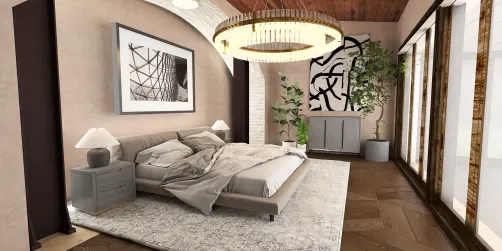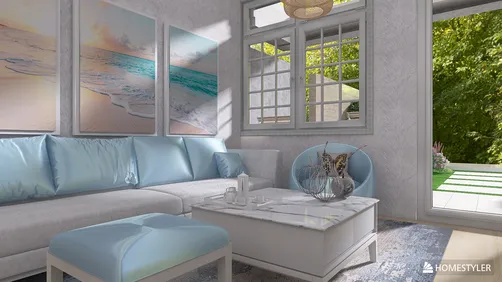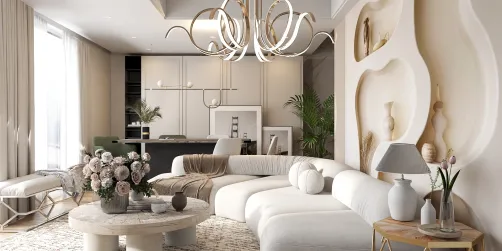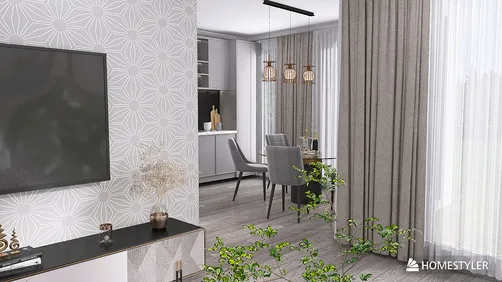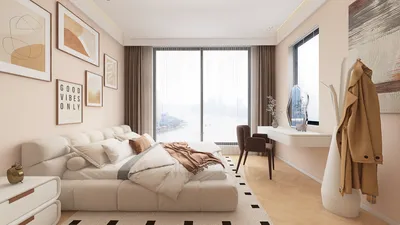
The evolving lifestyle is characterized by an accelerated pace and rising demands, leading to a fundamental challenge: how to accommodate multiple lives within a single plot without creating a sense of overcrowding. Market trends indicate clear signals; AIA’s residential research consistently highlights the need for versatile multi-unit designs. When envisioning a 30×40 site, I conceptualize it similarly to a streamlined motherboard. The primary goal here is to develop a floor plan that allows for the creation of two distinct flats on this 30x40 site. The future is approaching, and I can already visualize its framework with tools such as Homestyler aiding this vision.
Side-by-Side Duplex Split
Design Approach: Two symmetrical flats, each approximately 15×40, are designed to preserve privacy while sharing essential services. As urban family structures become more varied, these parallel units cater to intergenerational living without interference.
Circulation: The pathway flows from the entrance through a foyer node, into the living core, alongside the kitchen, and up towards the bedroom cluster, concluding at the rear. These paths serve as parallel channels, minimizing cross-traffic.
Visual Connections: Long views from the entrance extend to the rear courtyard, creating a spacious user interface, with lateral walls functioning as adjustable opacity elements.
Storage Solutions: Built-in wall-depth pantries and under-bed drawers create a distributed storage system, while a shared utility wall acts as a central repository.
Furniture Arrangement: Sofas measuring 78–84 inches, dining sets at 60×36 inches, and queen beds at 60×80 inches are all designed to fit comfortably within a 15-foot width, ensuring unobstructed movement.
Conclusion: This dual-rail structure is designed for five years of adaptable use, allowing households to interchange functions without the need for major renovations.
save pin
Stacked Flats (Ground + Upper)
Design Approach: The ground-level flat provides accessibility, while the upper unit functions independently. This vertical separation aligns with the growing trend of multigenerational living and rental opportunities.
Circulation: A shared entrance leads to a branched staircase, guiding residents between levels; the ground unit encircles a courtyard, while the upper unit runs from front to back.
Visual Connections: The ground unit benefits from garden-level views, while the upper unit claims vistas of the street and sky. Layers of glazing create a tiered information experience.
Storage Solutions: Under-stair compartments, hallway wardrobes, and overhead kitchen bins are designed to accommodate both everyday and seasonal storage needs.
Furniture Arrangement: The ground living area stretches 10×12 feet to comfortably house a sectional sofa; the upper studio living area of 12×14 feet efficiently fits a compact sofa and a foldable table. The balcony has a depth of 4 feet, facilitating smooth interactions.
Conclusion: The stacked configuration offers independence while maintaining a shared footprint, ensuring readiness for aging-in-place and accommodating short-term rentals.
save pin
Courtyard Spine with Offset Entries
Design Approach: A central courtyard measuring 8–10 feet acts as both a thermal buffer and a social space; flats positioned on opposite sides with staggered entrances prevent traffic congestion. This design merges climate resilience with social privacy.
Circulation: Journey flows from the street into an offset door leading through a vestibule, into the living space, then to the kitchen, connecting to the courtyard and finally, the bedrooms; this layout operates like data packets navigating a calm center.
Visual Connections: Framed views from the living area across the open space provide depth without compromising privacy; translucent screens manage visibility and privacy levels.
Storage Solutions: Custom built-ins around the perimeter keep items organized; benches facing the courtyard conceal seasonal storage, freeing up space in the main living areas.
Furniture Arrangement: Courtyard dining is set at 72×36 inches for outdoor eating; living rooms can accommodate sofas of 72–80 inches; bedroom wardrobes are designed at 24 inches deep to ensure unobstructed pathways of 36 inches.
Conclusion: This spine structure effectively transforms density into tranquility, creating a spatial operating system that nurtures natural light, airflow, and neighborly interactions.
save pin
Final Thoughts
A 30×40 plot can be reimagined into two uniquely designed flats without sacrificing elegance; whether it’s a duplex split, vertically stacked modules, or a courtyard-integrated design, each strategy turns the space into a functional living environment. Developing a floor plan for two flats on a 30x40 site focuses not on cramming in rooms, but on optimizing the flow, storage, and sightlines. From my observations, the homes of the future will not necessarily be larger but will prioritize intentionality; I see that even subtle spatial choices can significantly influence the way individuals inhabit their spaces, with tools like Homestyler paving the way for innovative designs.
Homestyler is your go-to online home design platform! With an easy-to-use design tool, stunning 3D renderings, inspiring design projects, and helpful video tutorials, you can transform your home design dreams into reality effortlessly. Start designing your perfect space today!