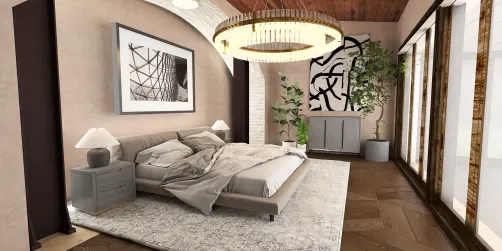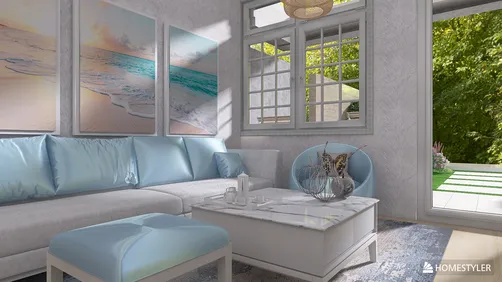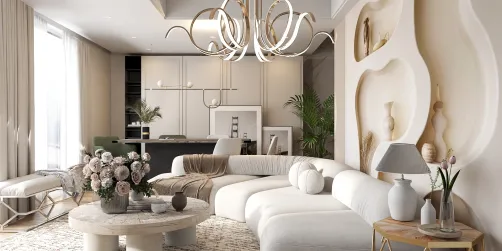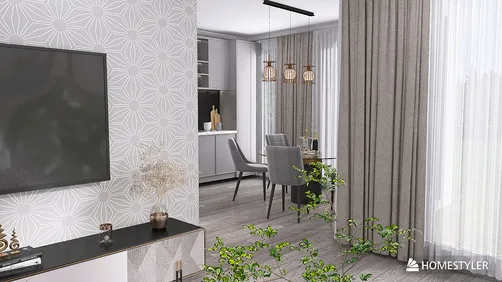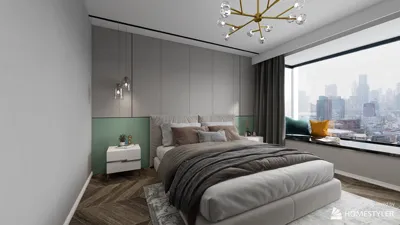
The upcoming lifestyle paradigm continually demands a modular serenity, even as contemporary residences grapple with limited widths and chaotic daily routines; this is the challenge I navigate in my designs. A recent survey by the NAHB indicates that homebuyers favor practical storage solutions over larger living spaces, underscoring the necessity for intelligent arrangements in compact areas. In a space measuring 18 feet in width and 37.5 feet in length, my floor plans serve as a blueprint for the next five years of living.
spatial reasoning toolkit
Linear Gallery Spine
Design Principle: A singular circulation spine positioned along one wall translates the 18-foot breadth into a clear passage, allowing flexible, connected areas that transition seamlessly from dining to lounge.
Flow: Entry → compact foyer with a drop zone → kitchen layout → dining area → living space → flexible rear nook; akin to a well-organized command sequence without interruptions.
Sightlines: The long straight view from the entrance to the rear window establishes a visual hierarchy: a bright focal point at the end, with segmented zones in between.
Storage Solutions: Full-height pantry and stylish under-stair cabinets function as efficient storage, drastically reducing retrieval time.
Furniture Arrangement: A 72" sofa, a 30" deep dining table, and 24" counter modules; all conform to the design parameters appropriate for an 18-foot width without awkwardness.
Conclusion: This layout functions like a future-ready transport system—predictable, quick, and poised for adding lifestyle modules.
save pin
Split Core with Micro Courtyard
Design Principle: The 37.5-foot length is segmented around a central light well, evolving a narrow layout into a refreshing interface while also decreasing heat accumulation.
Flow: Entry → living space → micro courtyard → kitchen → rear bedroom; the courtyard provides a refreshing break within the flow.
Sightlines: A cross-view from the living area through glass to the greenery offers layered perspectives: immediate tasks, mid-area pauses, and distant restful spots.
Storage Solutions: Bench-wall storage in the living area, pull-out tall cabinets near the kitchen, and overhead bridge cabinets that span the courtyard's edge.
Furniture Arrangement: A 60" round table, two 30" lounge chairs, and a bed sized 60" × 80" with 24" side clearances maintain an optimal layout to minimize delays.
Conclusion: With a central refreshing node, the home effectively manages daily fluctuations without hiccups.
save pin
Front Studio + Rear Quiet Suite
Design Principle: This model differentiates work and relaxation like distinct applications: a studio at the front for vibrant street interaction, and a suite at the back for deep concentration and restful sleep.
Flow: Entryway → studio with a foldable desk → galley kitchen → bathing area → bedroom; a well-structured pipeline equipped with privacy measures.
Sightlines: Controlled views: limited visibility from the studio to the kitchen and no sightlines to the bedroom; information flow is moderated to enhance tranquility.
Storage Solutions: A functional studio wall rack system, toe-kick drawers, and a linen tower near the bath; storage is strategically located where it's most needed.
Furniture Arrangement: A 48" workbench, a 24" deep galley setup, and a queen bed with built-in 12" shelves; each component adheres to the narrow footprint's requirements.
Conclusion: This floor plan keeps the mind sharp and promotes restful sleep—the design anticipates hybrid work as a steadfast norm.
save pin
Final Thoughts
Within an envelope measuring 18 feet by 37.5 feet, floor plans are increasingly focused on serving as intuitive guides for daily activities rather than merely enclosing spaces. The narrow facade encourages axial flow, the inclusion of micro courtyards, and utilizes furniture that complements the layout. Long-term livability relies on storage as a repository and sightlines as an interface—small design choices that significantly influence future living. Based on my insights, the most innovative homes of tomorrow will not necessarily be larger but will embrace a more intentional approach, similar to what platforms like Homestyler advocate for.

Homestyler is a fantastic online home design platform that makes creating your dream space effortless. With its user-friendly design tool, stunning 3D renderings, and extensive DIY video tutorials, you'll find endless inspiration to transform your home—regardless of your experience level!