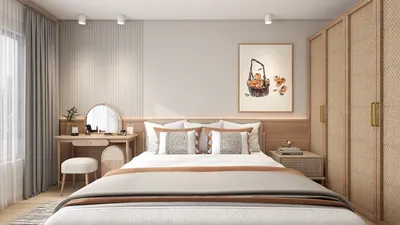
I have redesigned numerous compact laundry corners in city condos and narrow townhouses, and stacked washer-dryer configurations continue to be the most space-efficient solution when dealing with limited square footage. The key lies in achieving a balance between vertical storage, maintaining appropriate clearances, controlling vibrations, and ensuring a smart workflow for tasks so that the area feels more spacious in practical use. Research from Steelcase indicates that individuals working in efficient, clutter-free environments experience a perceived productivity increase of up to 16%—this is equally applicable at home, leading to smoother routines and less time wasted on friction points. WELL v2 further emphasizes the significance of lighting quality and glare management as essential factors contributing to comfort and accuracy during tasks, particularly when sorting colors or reading garment labels, which can be effectively planned using tools like Homestyler.
From a design perspective, my goal is to ensure that reach ranges are comfortable and that lighting adequately fulfills basic task requirements. The Illuminating Engineering Society suggests a range of 300–500 lux for general task areas; in laundry corners with surfaces that do not reflect light well, I aim for the upper range to ensure that labels, stains, and detergent measurements are visible. WELL v2 recognizes noise and vibration reduction as integral to overall comfort, which is particularly relevant for stacked units that can transmit vibrations through walls. Investing in quality detailing such as anti-vibration pads and sturdy mounts proves beneficial day after day.
Establish the Vertical Core First
Visualize the washer-dryer stack as the fixed 'core' of your layout and construct your storage and work surfaces around it. Most front-loading stacks measure between 24–30 inches in width and 74–79 inches in height; allocate 1–2 inches of side clearance for hose accessibility and maintenance, along with 1 inch at the back for hoses and venting (or adhere to the specifications provided by your manufacturer). If the door swing is restrictive, consider options like reversible hinges or pocket doors. For rental situations, securing the upper unit with a non-penetrating anti-tip strap to a wall stud will help maintain stability without excessive construction.
When space permits, I prefer placing the dryer on top and incorporating a pull-out sorting shelf positioned about 36–38 inches high, either between the units or alongside cabinetry. This creates a small landing zone for damp laundry, making it easier to handle. If you’re starting from a blank slate with the room layout, a compact layout planner can assist you in testing door swings, hamper placements, and ADA-compliant turns using precise dimensions with the help of a room layout tool like Homestyler.
Managing Ventilation, Moisture, and Heat
Dryers inherently introduce heat and moisture—two significant challenges for small, confined spaces. It is essential to prioritize a well-directed vent path with the shortest, straightest run achievable; opting for smooth metal ducting and sealed joints is advisable. For ventless heat-pump dryers (an excellent choice for compact settings), it's crucial to include active exhaust or a through-wall grille to prevent humidity from becoming stagnant. Integrating a low-sone exhaust fan equipped with a humidity sensor will automatically clear steam from damp loads and air-drying garments.
Ensure that supply lines and valves are easily accessible. I position isolation valves at a height of 42–48 inches above the finished floor, ideally within a shallow niche, with a drip pan connected to a floor drain whenever possible. For condominiums lacking floor drains, a water-leak sensor paired with an automatic shutoff provides a cost-effective layer of insurance.
Ergonomics: Reach, Lift, and Sorting Workflow
The edge of the dryer door should not exceed 66–68 inches in height for average users; heights above this can make lifting a wet load into the drum hazardous. Should the stack be higher, consider incorporating a robust pull-out step that measures 8–10 inches deep within the base cabinetry. Position frequently utilized detergents within the primary reach zone, which ranges from 36–54 inches high, while utilizing overhead bins for bulk supplies.
Sort in motion: a narrow pull-out hamper tower (for lights/darks/delicates) measuring 12–16 inches wide placed next to the stack minimizes floor clutter and reduces unnecessary steps. Additionally, a fold-down or slide-out counter with dimensions of 20–24 inches deep, adjacent to the washer, establishes a rinse-and-stage zone that also serves as a surface for stain treatment. Positioning a small, dimmable task light directly over this counter can help alleviate eye strain during evening laundry tasks.
Lighting That Enhances Small Spaces
Compact spaces can easily fall into darkness. Aim for a layered lighting approach: 400–600 lux on the counter surface (under-cabinet LED strips should be set to a neutral-warm 3000–3500K color temperature), alongside 300–500 lux of ambient light from a low-glare ceiling fixture, and a focused light source of 200–300 lux on sorting or hanging areas. The IES task light range helps maintain accurate color judgment without exposing individuals to harsh glare. Employing diffusers and high CRI (90+) LEDs will enhance visibility when assessing stains and understanding fabric tones.
In laundry areas, employing dimmers can be quite practical; scale down the light during wash cycles and increase the brightness for folding or stain treatment. Maintaining high reflectance is key: opt for satin white cabinetry, soft gray walls, and a matte backsplash to amplify light without generating glare.
Acoustic Comfort and Vibration Management
Stacked configurations tend to amplify vibrations. Secure the base to a solid, flat substrate—such as tile or sealed concrete combined with a high-quality underlayment—followed by adding rubber isolation pads beneath the washer. Avoid using floating platforms unless designed to handle dynamic loads appropriately. Fill any gaps around plumbing penetrations with acoustic caulk, and add mass-loaded vinyl to the adjacent cabinet side if bedrooms are located behind the wall.
In older buildings, I sometimes recommend counterbalanced anti-vibration kits to reduce spin-cycle wobble. Regularly cleaning the dryer lint screen and ensuring that ducts remain kink-free will prevent increased noise and extended cycle times.
Intelligent Storage in Slim Profiles
Maximize every vertical inch: a narrow 6-inch pull-out located between the stack and the wall can accommodate cleaning tools, dryer sheets, and stain removers. Overhead cabinets that are 12–15 inches deep will prevent bumps to the head; adding a hanging rail underneath supports drip-dry items while including an integrated drip tray. A magnetic side rail mounted on the washer enclosure can hold a collapsible laundry basket, thus freeing up floor space.
Material selection plays a vital role. Moisture-resistant plywood with thermofoil or high-pressure laminate fronting is superior at managing steam compared to raw MDF. Opt for matte finishes and soft-close hardware to minimize noise. For flooring, choose slip-resistant porcelain tiles (DCOF ≥ 0.42) to maintain a safe footing, even with wet socks.
Color Psychology for Calming and Clean Workflows
Colors subtly influence behavior. Gentle blue-greens and soft, muted neutrals foster a tranquil focus, while intense reds can evoke urgency and create visual clutter in limited spaces. According to insights from Verywell Mind on color psychology, blue is often associated with reliability and tranquility—qualities that are beneficial in a chore-intensive area where routine is essential. Pair calming shades with warm wooden accents to keep the environment from feeling stark and clinical.
Compact and Ventless Options That Stand Out
Heat-pump dryers and 24-inch wide compact washers are ideally suited for closets and under-stair areas, typically requiring only a standard 120V circuit for the dryer (be sure to check specifications). Their lower exhaust heat allows small rooms to remain comfortable. In instances where stacking is not an option, a washer/dryer combo may be considered; just ensure to plan for extended counter space, as cycles will take longer, and batching loads is common.
Safety, Clearances, and Accessibility
Ensure a clear space of at least 30 inches in front of the machines for both loading and maintenance purposes. Include a removable access panel for any traps and valves. If the stack is housed within a closet, provide either louvered doors or discreet transfer grilles to facilitate makeup air—especially with gas dryers, which also necessitate adequate combustion air and venting according to code.
Effective Layout Strategies That Work
For closet conversions, consider a niche measuring 60 inches wide by 32–36 inches deep, equipped with bifold doors. Center the stack, add a 12-inch pull-out tower to one side, include 15-inch overhead cabinets, and, if hallway depth allows, a slim fold-down table on the opposite wall. Always test door clearances utilizing a design tool like Homestyler.
For a galley alcove layout, a wall run of 72–84 inches works best. Stack appliances at one end, place a 24-inch deep base cabinet near the center with an 18–24 inch fold-down counter, and round it off with a tall broom cabinet at the opposite end. Don’t forget under-cabinet lighting and install a quiet exhaust fan.
In an under-stairs nook, adapt the upper cabinets to align with the stair slope; a retractable hanging rail mounted at the highest point is ideal. Opt for a ventless dryer to avoid complicated ductwork.
My Checklist for Stacked Laundry Success
Frequently Asked Questions
Most 24–27 inch machines will require a niche that measures 28–32 inches in width, 76–80 inches in height, and 30–34 inches in depth, including hoses. Ensure a 30-inch clearance in front for loading purposes.
Strive for ambient lighting of 300–500 lux and 400–600 lux in areas designated for folding or treating stains. Neutral-warm LEDs within the 3000–3500K range and a CRI of 90+ accurately depict colors.
Ventless heat-pump dryers perform admirably in confined spaces, but they require careful management of airflow and humidity—make sure to incorporate louvered doors or transfer grilles along with a quiet exhaust fan.
Ensure the washer is leveled, use rubber isolation pads, confirm the subfloor is sturdy, and seal any service penetrations with acoustic caulk. Maintaining clean lint ducts is essential for minimizing dryer noise.
A 6-inch pull-out tower can effectively store detergents and cleaning tools. Overhead cabinets that are 12–15 inches deep help to avoid head bumps while providing practical storage solutions.
For particularly small spaces, it is indeed feasible. Be prepared for longer washing cycles and smaller loads; consequently, it's beneficial to plan for an extended counter area dedicated to folding as batching loads becomes standard.
Utilize light neutral shades and soft blue-greens. Such colors enhance light reflection and encourage focus, aligning with color psychology associations between blue and trustworthiness.
Prior to construction, model your specific appliances, doors, and clearances within a room design visualization tool; virtually test hamper placements and folding spaces to eliminate unexpected challenges.
Select a rigid, level surface like porcelain tile or sealed concrete with appropriate underlayment. Ensuring slip resistance (DCOF ≥ 0.42) and moisture tolerance should be priorities.
Maintain the dryer door's top edge at or below 66–68 inches for safe lifting. Should the height exceed this, consider integrating a pull-out step designed to support body weight.
Homestyler is your go-to online platform for home design! Featuring an intuitive design tool, stunning 3D renderings, and a wealth of inspiring projects and video tutorials, it empowers you to create and visualize your dream space effortlessly—perfect for both novices and seasoned designers alike!










![Design [4]](https://hs-designs.homestyler.com/production/design/images/07c2de3a-88ec-4be8-8910-ff255b795bc2/1731419398293/7841697.jpg?x-oss-process=image/resize,w_502,m_mfit/format,webp)