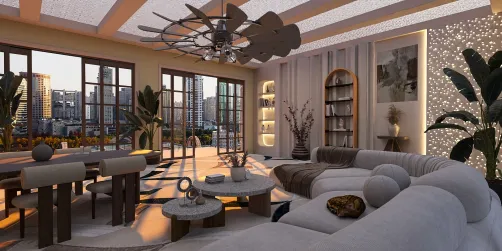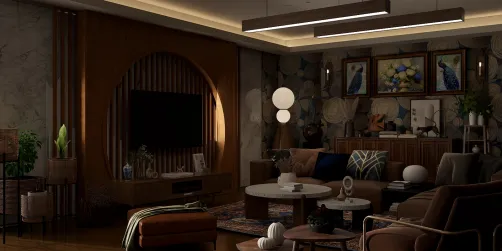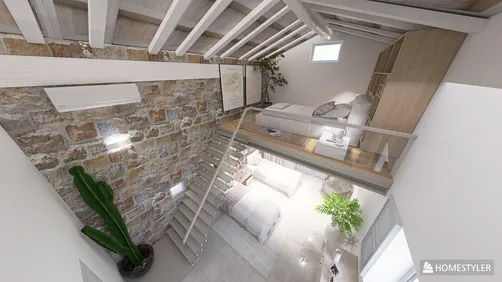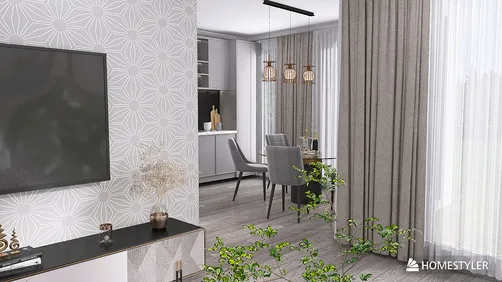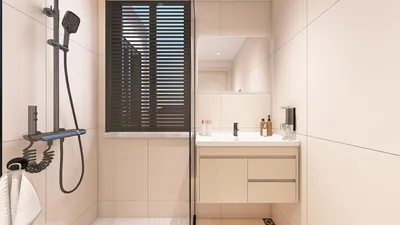
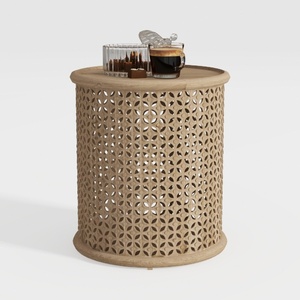
In compact homes, small tables serve as invaluable assets—providing essential surface area, facilitating everyday activities, and maintaining an airy atmosphere. The appropriate scale, positioning, and proportion can transform a studio into a tidy haven or convert a snug living room into an inviting and sociable area. When curating small table options for clients, I emphasize unobstructed pathways, ergonomic accessibility, and multifunctional capabilities, all while minimizing visual distractions. Incorporating platforms like Homestyler can greatly enhance this planning process.
In smaller environments, data-driven decisions yield significant benefits. The WELL v2 guidelines suggest that task lighting should aim for luminosity levels of 300–500 lux for activities like reading, which underscores the need to match small side tables with reading lamps to alleviate eye strain (WELL v2 Light concept). Research by Steelcase has revealed that employees often shift between tasks and informal collaboration; thus, flexible and movable surfaces enhance adaptability, leading to improved efficiency in constrained spaces. These metrics inform my strategic placement of tables to ensure optimal light, reach, and mobility.
The colors chosen for small spaces can greatly affect the mood within. Insights from Verywell Mind on color psychology reveal that blues promote calmness, greens restore equilibrium, and warm tones infuse energy—important considerations when selecting finishes for small tables to adjust the ambiance. For sound control, soft-edged tables crafted from wood or composite materials help reduce minor noise compared to glass surfaces, which can amplify sound in compact layouts. I design with user habits in mind, creating considerations for practical activities like placing keys by the entrance or keeping beverages near a reading chair, influencing decisions around size, height, and storage solutions.
Smart Table Types for Compact Spaces
I favor adaptable designs that maximize their footprint.
Proportion, Height, and Ergonomics
Comfort is dictated by scale. I aim for side tables to be positioned about 2 inches (5 cm) below the adjoining seat arm or cushion top, ensuring easy access and reducing shoulder strain. Coffee tables typically stand between 16–18 inches (41–46 cm), leaving 14–18 inches (36–46 cm) of clearance in front for knee space. For tasks requiring a laptop, a C-table height of 24–28 inches (61–71 cm) aligns better with maintaining a natural wrist position. These proportions help minimize discomfort and promote fluid motion.
Clearances and Spatial Rhythm
Small tables can clutter rooms if circulation paths are neglected. I recommend maintaining 30–36 inches (76–91 cm) for primary pathways and 24–28 inches (61–71 cm) for secondary routes. Incorporating a pattern of narrow-open-narrow spaces between furniture arrangements creates a rhythm that feels intentional. Utilizing a room layout tool like Homestyler is beneficial for simulating traffic flow and reach zones before making purchases.
Lighting, Glare, and Surface Choices
The placement of tables is intrinsically linked to lighting conditions. The Illuminating Engineering Society recommends ambient residential lighting at approximately 100–300 lux, while task lighting may require greater intensity based on activities. To avoid reflections, I steer clear of glossy black glass surfaces near windows, as they can cause distracting glare. Instead, I opt for matte finishes like veneer, honed stone, or powder-coated metal that diffuse light effectively. When a reading lamp is used on a small table, I favor warm-white lighting between 2700–3000K for relaxation and 3500–4000K for mixed-use scenarios, incorporating shielding to manage reflections.
Color Psychology and Visual Balance
In small areas, color serves as an essential tool. Light, muted finishes can diminish visual weight, allowing small tables to blend into the background. A singular accent table with a vibrant hue can serve as a focal point, while maintaining softer tones around it reduces visual clutter. Shades of blue and green aid relaxation, while warm tones like terracotta can enhance coziness near seating arrangements. I also ensure to mix table shapes, such as pairing a round side table with a rectangular console, to keep the overall design engaging yet harmonious.
Materials, Durability, and Sustainability
Selecting the right materials is key to durability. Solid wood ages beautifully with refinishing options; powder-coated steel withstands chips, and high-pressure laminate is ideal for fending off spills in family settings. I prioritize sourcing FSC-certified wood, low-VOC finishes, and easily repairable hardware where possible. Rounded edges reduce injury risks in tight areas, while textured surfaces provide friction to keep coasters and devices secure—small yet significant improvements.
Workflow and Behavioral Patterns
Compact homes thrive on organized routines. I design micro-zones like an entry catchall, a reading nook, and adaptable work areas, each supported by strategically placed small tables. A tray on a side table gathers keys and headphones; a lift-top coffee table can store notebooks and chargers; and a rolling cart can serve as a portable bar during gatherings. Aligning tables with daily habits reduces clutter and enhances the functionality of the space.
Placement Strategies for Different Rooms
Arranging one table per seat within easy reach minimizes conflict over coasters. Nesting sets allow for flexibility when hosting guests; a narrow console behind the sofa can provide snacks while keeping pathways clear.
Compact nightstands with shelves can accommodate books, a carafe, and a small lamp conveniently. Ensure they match the mattress height for easy access after dark.
Drop-leaf or wall-mounted tables can be opened for food prep and closed afterward to save space. A rolling cart near the dining area can double as a serving station when needed.
Weather-resistant, foldable tables and nesting stools create a seamless experience for morning coffee rituals without adding permanent bulk. Choose materials designed to withstand UV light and moisture.
Styling Without Clutter
Design should enhance—and not overwhelm. I recommend limiting surfaces to three elements: a light source, a functional accessory (like a tray or book), and one personal item. Combining textures—such as ceramic, linen, and wood—adds depth without overcrowding. Managing cables is crucial: conceal chargers beneath rugs or along furniture edges to maintain a tidy appearance.
Buying Considerations for Small Tables
FAQ
Q1: What is the ideal height for a side table next to a sofa?
A: The top should be within 2 inches (5 cm) of the sofa arm or cushion height to ensure comfortable reach and maintain neutral shoulder posture.
Q2: How much space should I leave around a coffee table?
A: Maintain 14–18 inches (36–46 cm) between the sofa and the table for knee space and ensure 30–36 inches (76–91 cm) are clear for primary circulation paths.
Q3: Which small table types work best in micro apartments?
A: Nesting tables, C-shaped side tables, lift-top coffee tables, and wall-mounted folding tables deliver functionality without taking up permanent space.
Q4: What lighting levels should I target for reading on a side table?
A: Aim for lighting levels of 300–500 lux at the task area, as recommended by WELL v2's Light concept, to facilitate focused activities.
Q5: How do I reduce glare on glossy table surfaces?
A: Opt for matte or honed finishes, position tables away from direct sunlight, and employ lamps with diffusers to minimize reflections.
Q6: What colors make small tables feel less intrusive?
A: Light, muted tones visually recede while blues and greens impart calmness; warm neutrals contribute a cozy touch without overwhelming a small room.
Q7: Are lift-top coffee tables ergonomic for laptop work?
A: Yes, particularly if the raised surface reaches approximately 24–28 inches (61–71 cm) and maintains neutral wrist positioning with the screen at eye level.
Q8: How do I balance multiple small tables in one room?
A: Vary shapes (round with rectangular), keep heights within a few inches of each other, and ensure clear sightlines and pathways to prevent visual clutter.
Q9: What materials are best for durability in family spaces?
A: High-pressure laminate, solid wood with repairable finishes, and powder-coated steel are ideal for withstanding spills, dents, and day-to-day wear.
Q10: Can small tables improve productivity in compact home offices?
A: Movable C-tables and rolling carts facilitate seamless task transitions and spontaneous collaboration; according to Steelcase research, adaptable surfaces lead to increased workflow efficiency.

Homestyler is your go-to online design platform, making home decor a breeze. With its user-friendly design tool, stunning 3D renderings, and a wealth of project ideas and DIY video tutorials, you can effortlessly create your dream space regardless of your experience level.









![Design [4]](https://hs-designs.homestyler.com/production/design/images/07c2de3a-88ec-4be8-8910-ff255b795bc2/1731419398293/7841697.jpg?x-oss-process=image/resize,w_502,m_mfit/format,webp)