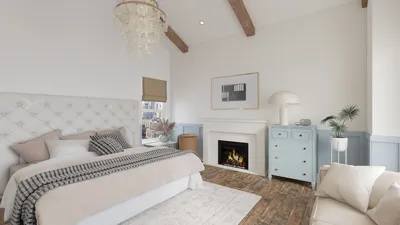


In a previous endeavor, I aimed to persuade a client that their compact 18 sqm studio could evoke the charm of a boutique hotel. Initially, they were apprehensive when I proposed incorporating a loft bed. However, I turned the situation around by swiftly creating a 3D mockup that illustrated the effective use of sightlines and storage. This approach eased their concerns and helped us sidestep a potential costly error.
Creative solutions abound in small spaces. Here are five practical design ideas I often employ when merging living room and bedroom areas, highlighting realistic professionals, honest trade-offs, and some budget-friendly tips I've gathered through experience.
1. Intentional convertible furniture
I advocate for multi-functional furniture: think of a streamlined sofa bed, a daybed featuring built-in storage drawers, or a coffee table that transforms into a dining space. This approach offers significant advantages, enabling enhanced functionality without imposing on floor space. However, careful selection of the correct size and mechanism is crucial; inferior hardware can sag, while oversized items disrupt flow.
save pin
2. Visual zoning through rugs, lighting, and color
Utilizing a rug, pendant lighting, or varied paint colors can effectively distinguish between the "living" and "sleeping" areas. This cost-effective strategy creates an illusion of division without the need for walls. Maintaining a cohesive color palette can be tricky; I usually restrict myself to two accent hues and use layered lighting to ensure harmony across the spaces.
save pin
3. Vertical solutions: storage and loft options
When floor space is at a premium, it’s wise to think upwards. Tall cabinets, open shelving, and elevated sleeping areas can maximize usable square meters beneath for additional storage or a workspace. Planning vertical solutions benefits greatly from an editable floor plan, which helps assess clearances and accessibility. The drawback is that higher storage requires careful organization to prevent dust accumulation and ensure easy access.
save pin
4. Crafting a flexible kitchen area
In integrated spaces, the kitchenette frequently serves as a dining or workspace. Options like a foldable table, a narrow mobile island, or wall-mounted shelves that double as a bar can be quite effective. The challenge lies in keeping cooking-related clutter out of sight; I suggest using appliance garages and dedicated drop zones for keys and mail to maintain a tidy social environment.
save pin
5. Smart layouts and integrated technology
Compact studios benefit from strategic layouts: tuck beds into alcoves, create clear pathways, and employ translucent partitions that allow light to flow. Recently, I have been exploring AI-assisted planning, which accelerates decision-making and helps identify potential traffic issues. While these AI suggestions aren’t a miracle solution, they offer a quick way to iterate designs. Be prepared to make minor adjustments: living in a confined space thrives on gradual improvements rather than a single large renovation.
save pin
FAQ
Q: Is it possible for a combined living room and bedroom to feel spacious?
A: Definitely! With strategic zoning, smart furniture selections, vertical storage solutions, and layered lighting, a small integrated area can feel larger and more functional. It’s largely about perception rather than just square footage.
Q: What is the best type of bed for a studio?
A: Versatile options like a daybed or a supportive sofa bed work well; a loft bed is also an excellent choice, provided ceiling height and safety considerations are met. Ensure to opt for durable mechanisms and test for comfort prior to purchase.
Q: How can I separate different zones without constructing walls?
A: Consider utilizing rugs, lighting, open shelving, curtains on ceiling tracks, or low partitions. These solutions permit light and air circulation while providing visual separation.
Q: What clearance space is necessary around a kitchenette in a studio?
A: To ensure comfortable use, aim for 42–48 inches (approximately 107–122 cm) of clearance for primary work aisles if feasible. While narrower configurations are manageable, they can feel more cramped. (Referenced: National Kitchen & Bath Association, NKBA)
Q: Are custom built-ins worth the investment?
A: If you intend to stay long-term and require maximum functionality, custom built-ins can enhance irregular spaces while providing a polished appearance. Although they might entail a higher initial cost, they can significantly improve usability and resale value.
Q: How can I keep a combined space organized?
A: Focus on hidden storage solutions, select furniture with concealed compartments, and establish designated drop zones for daily essentials. A nightly 10-minute reset can help maintain tranquility in small spaces.
Q: Is it appropriate to use bold colors in a small combined room?
A: Absolutely—one accent wall or a striking piece of furniture can inject character without compromising the room's size. Balance these choices with reflective surfaces and neutral components.
Q: Where should I begin if I want to redesign my studio?
A: Start with a straightforward plan: measure, photograph, and sketch one or two layout variants. Implement the most critical furniture changes first; iterative planning can save costs and reveal your actual daily requirements.
save pin
Homestyler is your go-to online platform for home design! With its user-friendly design tool, stunning 3D renderings, and a wealth of design projects and DIY video tutorials, you can effortlessly create and visualize your dream space, regardless of your experience level.
Дизайн сейчас бесплатно
































