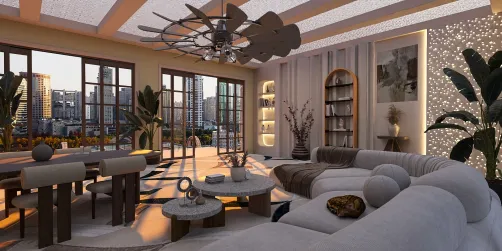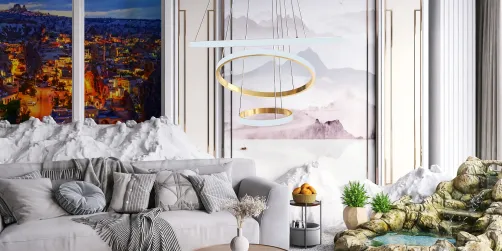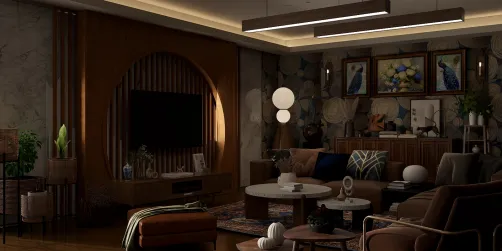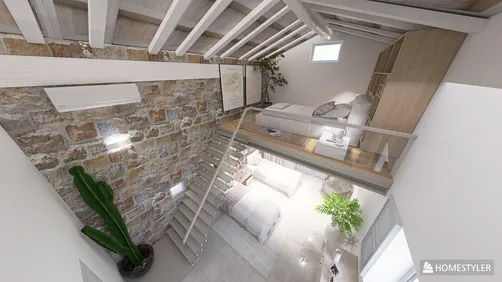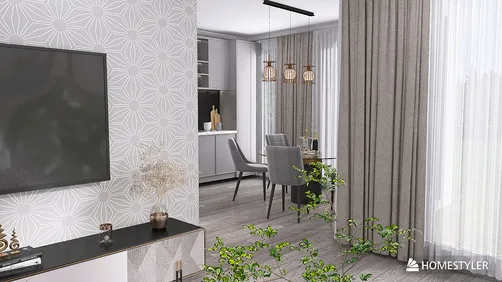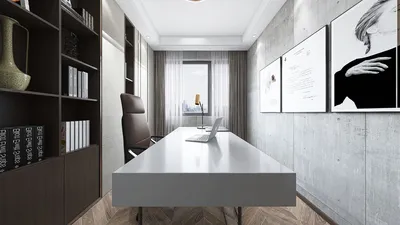
For years, I have relied on small white tables while designing micro apartments, studio lofts, and compact kitchen nooks. These tables not only provide a light visual aesthetic to the room but also effectively bounce natural light around and serve numerous functions without overwhelming the layout.
In small spaces, managing daylight and glare is essential. As per the IES recommendations, an ideal living area should have ambient lighting levels ranging from 100 to 300 lux, while a brightness level of 300 to 500 lux enhances dining and focused tasks. Matte white tabletops are efficient in reflecting light and alleviating harsh glare—attributes that align well with IES standards. From a psychological perspective, using neutral colors helps minimize cognitive load; VerywellMind supports the idea that whites and soft neutrals foster perceptions of cleanliness and serenity, particularly in rooms where space is tight and visual clutter can make areas feel even smaller.
The Importance of Scale, Proportion, and Visual Tranquility
When selecting a table, it's crucial to ensure its diameter or width complements the flow of movement in the room. In cramped dining spaces, aiming for a width of 24 to 30 inches is ideal; it comfortably accommodates two people, allows room for a laptop, and still provides a passage of 30 to 36 inches. Opting for rounded edges not only reduces the risk of bumps but also facilitates easier movement. I prefer using low-sheen white finishes to mitigate glare from overhead pendant lights, and pairing them with light-toned chairs fosters a harmonious vertical rhythm that can make the area appear larger.
Strategic Layouts for Micro Apartments
Position the table where it can bask in natural light and orient it for functionality: either perpendicular to a window for use as a small desk or aligned with a sofa for dining. In long, narrow spaces, centering the table on a rug can provide visual stability and prevent the ‘bowling alley’ effect. To experiment with traffic routes and passage clearances, employing a room layout tool can help visualize pathways and seating arrangements: consider utilizing a tool like Homestyler.
Choosing the Right Finishes and Materials
Not all white tables are created equal. High-gloss lacquer designs can enhance light but may create glare problems; opting for matte polyurethane or powder-coated metal finishes tends to diffuse light elegantly and is easier to clean. For an eco-friendly option, I recommend seeking out FSC-certified wooden surfaces or recycled aluminum bases. A ceramic or sintered stone top is resistant to stains — perfect for coffee spills or wine drips — and maintains a consistent color temperature under various lighting conditions.
Creating Warm Lighting Without Glare
Small white tables can occasionally appear sterile under cooler lighting conditions. I strive for a warm white light range between 2700 to 3000K in living or dining areas, providing a balance to the bright surface; additionally, for work purposes, a 4000K task lamp can be effective when the table serves a dual purpose. Using shielded pendants or diffusers reduces the brightness contrast against glossy materials. For comprehensive upgrades in design that encompass lighting, acoustics, and materials, the WELL v2 guidance offers a holistic approach towards maximizing comfort; you can explore more at v2.wellcertified.com.
Establishing the Correct Heights for Comfort
Typically, standard dining tables have heights ranging from 28 to 30 inches; preferably, I recommend 29 inches for multipurpose tables paired with chairs that have a seat height of 17 to 18 inches to ensure ample legroom. When the table also functions as a workspace for a laptop, create a legroom depth of 22 to 24 inches and opt for rounded edges to minimize pressure on forearms. Utilizing a pedestal base can enhance foot space and prevent chair conflicts, which is especially beneficial in studio apartments.
Understanding Color Psychology and Layered Styling
A white table serves as a versatile foundation for styling. Introduce warmth through the use of woven runners, light wood elements, or subdued terracotta accents. It’s essential to keep color saturation in check: employing a single accent color in minimal quantities (like in the form of napkins or a vase) avoids an overly busy aesthetic. VerywellMind emphasizes that soft, neutral tones and low-contrast strategies tend to provoke calm feelings, prompting me to maintain tight and scaled patterns that won't crowd compact spaces.
Enhancing Acoustic and Material Comfort
Compact areas often amplify sound, containing elements like a felt trivet, cork placemats, and low-pile rugs under the table, which efficiently soak up noise from dishes and moving chairs. Rubber foot caps are helpful in preventing floor scratches. If your space is open-concept, place the table away from sharp corners that may generate echo; incorporating a textile pendant or nearby fabric partition can help soften sound reflections.
Selecting the Right Table Shape: Round, Square, or Oval
Round tables excel in high-traffic areas by eliminating sharp corners and allowing smoother circulation. Square designs fit neatly against walls for one or two users and can easily slide into corners. Oval tables offer the advantages of both varieties, ensuring fluid passage while also providing additional surface area for serving. In kitchens, consider a narrow 24×36-inch rectangular design that serves as both a prep and dining surface without obstructing pathways.
Strategies for Multi-Functionality
Utilize nesting tables to easily pull out the smaller unit for guests and tuck it back out of sight afterward. A drop-leaf table can conveniently adjust from 18 to 36 inches for spontaneous gatherings. A rolling café-height white table can serve as a side console and transition into a dining space as needed. Additionally, a clamp-on lamp can enhance night-time reading, easily removable to maintain a streamlined profile.
Innovative Storage Solutions That Stay Visible
Opt for bases with hidden shelves to store placemats and small trays. Soft white or oatmeal baskets placed under the table can keep items easy to access while maintaining a light visual weight. Avoid heavy black storage beneath a white tabletop, as this creates a cluttered appearance and can make spaces feel smaller. If you have a wall nearby, installing a shallow ledge at table height can be a great way to keep spices or notebooks handy while keeping the main surface clear.
Creating Kitchen Nooks and Breakfast Bars
In galley-style kitchens, a 12 to 16-inch deep wall-mounted white table can serve as a slim breakfast bar. Pair it with two stools that can conveniently slide underneath. For an open sightline, I recommend backless stools teamed with a simple pendant light, avoiding shades that extend beyond the width of the bar. Incorporating under-cabinet lighting aimed at 300 to 500 lux ensures task visibility without overwhelming the white tabletop.
Designing Micro Living Rooms: Coffee and Conversations
A small white coffee table can enhance a compact seating arrangement. It's important to choose one with a soft-touch surface to avoid marks and maintain a slim profile for unobstructed knee clearance. If you have a deeper sofa, selecting an oval design will aid in better reach. Ensure to maintain a comfortable distance of 16 to 18 inches between the sofa and table for ease of movement.
Creating Efficient Studio Workstations
When a white dining table also functions as a desk, it's essential to anchor the setup with a task lamp and a compact cable box placed underneath, along with a fabric chair pad to support good posture. Keeping the tabletop visually clean is key, as clutter stands out starkly on white surfaces. Should you find it beneficial to experiment with layouts, introducing an interior layout planner can assist in simulating seating arrangements, lighting flows, and storage configurations: utilizing tools such as Homestyler can be quite helpful.
Styling in Three Simple Steps
1) Add an organic element (such as a branch or stoneware vase). 2) Layer with a narrow runner or a set of placemats in soft neutral tones. 3) Ensure at least half of the white surface remains free. This emptiness is part of the design, allowing light and shadow to work together effectively in smaller spaces.
Maintaining and Ensuring Longevity
Matte finishes tend to conceal micro-scratches, while glossy surfaces are more resistant to staining but may show swirl marks. Clean with pH-neutral cleaning products while avoiding abrasive materials, and consider removable glass tops for areas subject to heavy use. Regularly replacing felt pads on chair legs each season helps protect both the table and the flooring.
Common Questions
For dining and occasional work purposes, a table with a diameter of 24 to 30 inches (or a rectangle measuring 24 by 30 inches) strikes a balance between seating comfort and circulation in studio environments. Maintain a clearance of 30 to 36 inches around it wherever possible to enhance flow.
While it’s not mandatory, it can highlight hotspots in bright lighting. Opting for a matte or satin finish combined with diffused lighting can alleviate glare and minimize eye strain.
Round tables are ideal for enhancing movement and safety in constricted areas, whereas square tables can fit snugly against walls for one or two users. Your choice should prioritize traffic flow and the number of seats needed.
Create warmth with lighting around 2700 to 3000K, incorporating natural textures (like linen and wood), along with a controlled accent color reflected in smaller decor elements.
Absolutely. Aim for a height of 29 inches, integrate a clamp lamp, manage any cables beneath the table, and select a chair with a seat height of 17 to 18 inches to ensure a comfortable typing experience.
Materials such as ceramic, sintered stone, powder-coated metal, and solid surfaces that are well-sealed resist staining and are easy to maintain. Matte polyurethane finishes on wood also perform well with minimal care.
For task-oriented activities, aiming for brightness in the 300 to 500 lux range, coupled with shielded pendant lights or diffusers to minimize glare, aligns well with IES guidelines.
Utilize soft placemats, felt caps on chair legs, and layer a low-pile rug beneath the table to dampen sound. Avoid placing the table near hard corners to reduce echoes; textile pendants are also a great consideration.
Use under-table storage baskets in soft colors, a narrow wall ledge at table height, or a pedestal base with a hidden shelf to keep essentials organized without compromising the visual integrity of the setup.
Limit styling to one sculptural piece and a slim runner; ensure at least half of the tabletop remains clear to maintain visual tranquility and allow for light to play within the space.




Homestyler is your go-to platform for creating stunning home designs effortlessly. Its user-friendly online design tool, impressive 3D rendering features, and a wealth of DIY video tutorials make it easy to transform your ideas into reality. Start your home design journey today!








![Design [4]](https://hs-designs.homestyler.com/production/design/images/07c2de3a-88ec-4be8-8910-ff255b795bc2/1731419398293/7841697.jpg?x-oss-process=image/resize,w_502,m_mfit/format,webp)