I approach the design of small-space filing systems similarly to how I tackle a compact kitchen: every area must serve a purpose, pathways should facilitate movement, and materials need to endure over time. In confined spaces, vertical storage, modular designs, and multi-functional furniture become the core elements of a tidy and visually soothing environment. Throughout various workplace projects, I have observed that clutter can make a room appear to shrink by nearly a third; implementing the right filing strategy can recover both space and focus while leveraging tools like Homestyler to visualize the layout.
Data shows that maintaining order and comfort directly influences productivity. According to Gensler’s U.S. Workplace Survey, creating workplaces conducive to focus can enhance individual performance significantly, especially when storage options allow for personal control of the working environment. WELL v2’s Light and Mind directives also correlate visual clarity and organized spaces with improved cognitive comfort; for office areas, WELL recommends keeping task illumination between 300–500 lux to aid readability and filing clarity (see WELL v2 guidelines at wellcertified.com). I merge these insights with IES-recommended lighting levels to ensure that organization through labeling and color coding is accurate and comfortable.
Maximizing Small Space Filing Gains
In limited areas, effective filing relies on maintaining clear paths, optimizing vertical organization, and ensuring the overall visual space feels airy. I suggest a 60/40 ratio of closed to open storage: 60% should be closed to hide bulk, while 40% remains open to keep essential items visible and prevent accumulation. Always target a clear aisle width of 30–36 inches for easy access; if two people regularly pass, widen it to 42 inches. A combination of cool-neutral finishes (soft gray, light ash, muted sage) paired with warm accents helps to avoid the appearance of a massive storage wall.
Prioritize Vertical Solutions: Wall-Mounted and High Ceiling Systems
Focus on vertical space before expanding outward. Implementing floor-to-ceiling cabinetry with adjustable shelving can utilize dead zones above head height. I designate an accessible 'golden zone' at 28–60 inches for files that are frequently accessed, while longer-term archives can be stored higher up. Opt for lightweight yet sturdy materials, like plywood cores finished with matte laminates or powder-coated steel, to ensure both safety and cleanliness. Incorporate upper lighting strips with 300–500 lux to uphold clear label visibility at a color temperature of 3500–4000K.
Flexible Drawer Units and Hybrid Systems
In compact environments, shallow modular drawer units (typically 2.5–4 inches deep) outperform deep drawers, preventing documents from being misplaced. Hybrid systems that mix drawers for letter/legal sizes with open cubby spaces for binders can reduce the total footprint by 15–25% compared to utilizing separate items in my previous installations. When specifying these drawers, I recommend soft-close slides along with label rails, ensuring matte finishes are used to minimize glare and fingerprints.
Utilizing Under-Desk and Overhead Rail Solutions
Make use of the space beneath desks with lockable cabinets on wheels; keep their tops at a height of 26–27 inches to ensure comfort. Overhead rail systems above desks help maintain visibility of active documents while keeping surfaces clear. To create a pleasing visual appearance, restrict overhead depth to 10–12 inches and align door edges with desk edges for consistent sightlines.
Mobile Carts and Flexible Filing Solutions
In multi-functional spaces, a narrow mobile cart (ranging from 12–16 inches in width) can serve as an auxiliary table. Choose carts featuring locking casters and a handle for quiet maneuverability. I often suggest allocating one cart per workflow (such as inbox, action, and archive) to keep tasks delineated. When hosting visitors, these carts can slide under counters to maintain open sightlines.
Effective Categorization: The Four Zone Approach
I structure filing systems around four defined areas: Immediate (daily use), Weekly, Project, and Archive. Immediate items are placed within arm’s reach; Weekly files should be accessible within a single step; Project items are positioned centrally, while Archive boxes go onto the highest shelves or into a separate cabinet. This strategy reduces unnecessary movement and maintains a seamless workflow. Incorporating color coding fosters swift retrieval: according to Verywell Mind, blue enhances mental clarity while green nurtures calmness—assign blue labels for reference materials and green for financial documents to benefit from these associations without cluttering visuals (see verywellmind.com/color-psychology).
Emphasizing Slim Designs and Visual Airiness
In compact areas, the importance of slender profiles cannot be overstated. Opt for 18–20 mm fronts, recessed pulls, and continuous reveals to create a design that appears as streamlined wall architecture, rather than bulky furniture. Aim for a 30% open shelf ratio to avoid visual massing and organize items in groups of three for a rhythmic visual effect.
Consideration of Acoustic and Material Elements for Quiet Filing
In smaller spaces, noises from paper handling and drawer usage can be amplified. Lining drawer bottoms with thin felt or cork, specifying soft-close mechanisms, and potentially incorporating perforated metal doors backed with acoustic fabric for shelving can help dampen sound in areas near seating. Utilize low-VOC finishes and FSC-certified materials for healthier air quality and improved longevity.
The Role of Color, Light, and Visual Comfort
Align task lighting with finish reflectivity. Matte finishes decrease harsh highlights; under-cabinet illumination set at 3500–4000K ensures whites remain neutral and labels stay clear. Avoid using shiny black beside work surfaces as it can increase contrast and cause eye strain. Maintain a 1:3 contrast ratio between label text and background for easier visibility.
Smart Space Management: Multi-Functional Furniture
Consider benches with hinged tops for storing archive boxes. Coffee tables featuring drop-in filing compartments can conceal papers when not in use. Incorporating wall beds or foldable desks along with a narrow lateral file behind a decorative panel keeps a residential aesthetic in live-work environments. Select durable finishes or waterborne coatings for ease of upkeep.
Digital Solutions for Physical Paperwork
The blend of digital and paper formats is now commonplace. Regularly scan incoming documents, safeguard essential originals in fire-resistant boxes, and limit the retention of recurring paperwork to the last two cycles in your active filing. Implement date-first labeling conventions (YYYY-MM) to facilitate quick chronological sorting at a glance. This comprehensive approach usually results in a reduction of physical file volume by 30–50% within just two quarters.
Strategizing Layout: Movement, Safety, and Accessibility
Position heavier items between knee and shoulder height while avoiding deep drawers behind main doors. For ultra-compact offices or studio spaces, outline reach zones and traffic patterns before purchasing cabinets. To swiftly evaluate layouts, utilize a room layout tool that simulates clearances and lines of sight prior to any physical changes: interior layout planner.
Effective Labeling for Quick Recognition
Use uniform spine labels (between 14–18 pt in sans-serif type), top-right tags for folders, and limiting color bands to a maximum width of 10 mm to minimize visual clutter. Keep a master key inside the primary door for use by guests or collaborators.
Managing Security and Accessibility
Ensure that confidential documents are stored in a lockable cabinet with hidden hinges. In shared environments, utilize color-coded bins designated to individuals or projects. Adding a small shredder in the archive area prevents sensitive documents from leaking back into circulation.
Sustainable Choices that Don’t Compromise Value
Select materials with recycled content, powder-coated metal systems for durability, and hardware designed for over 50,000 cycles. Modular designs enhance product longevity; when requirements shift, swap out a bay for drawers instead of replacing the entire unit.
- Maintain a clear aisle width of 30–36 inches for single access, or 42 inches for dual pathways
- Optimal task lighting levels should fall between 300–500 lux at a color temperature of 3500–4000K
- Recommended shelf spacing should be 10–12 inches for binders and 12–14 inches for archival boxes
- For drawers, an internal height of 2.5–4 inches for file folders and 10–12 inches for box files is ideal
- Strive for a 40/60 ratio of open to closed storage in smaller spaces
Frequently Asked Questions
Q1. Which filing system format is more space-efficient: lateral or vertical?
A1. In shallower rooms, lateral files can be more space-efficient as they allow for wider, less deep cabinets to be installed along walls. Utilize depths of 12–18 inches to maintain circulation while still accommodating letter/legal-sized files laid sideways.
Q2. What is the recommended height for placing files that are accessed regularly?
A2. Position files used daily between 28–60 inches from the floor, which falls within the ergonomic ‘golden zone’ for easy reach. Reserve higher shelves for archival or seasonal files.
Q3. What type of lighting works best for reading labels on files?
A3. Ensure task lighting delivers 300–500 lux directly in front of the cabinet with neutral white light at 3500–4000K. This matches the lighting levels typically employed in office settings while avoiding color distortion in whites.
Q4. How can I lessen visual clutter on open shelving?
A4. Limit open storage to around 30–40% of the total, organize items in groups of three, employ consistent labeling across boxes, and choose matte finishes to reduce reflections that could amplify the appearance of disarray.
Q5. What measures can I take to ensure drawers are quiet in a compact space?
A5. Specify soft-close slides, line drawers with thin felt, and add rubber bumpers on door stops. Perforated metal doors with acoustic fabric can also help absorb noise while allowing for air circulation.
Q6. What is the most efficient method to balance paper and digital formats?
A6. Implement a routine of scanning documents weekly, labeling originals with a date-first system (YYYY-MM), and maintaining only two cycles of active paperwork. Store important originals in fireproof boxes and regularly purge to prevent accumulation.
Q7. Which colors work best for quick file identification?
A7. Utilize a restrained color-coding approach based on function—cool blues for reference materials, greens for finance sections—leveraging known color psychology to facilitate rapid scanning without visual distraction.
Q8. How can I plan my layout before purchasing storage cabinets?
A8. Draft out clearances and reach zones, then experiment with various setups using a room design visualization tool to confirm aisle widths, door swings, and lines of sight before any installation: room layout tool.
Q9. What materials are most durable for filing in small spaces?
A9. Durable materials include powder-coated steel for carcasses, plywood-core fronts with matte laminate, and hardware rated for high cycles (50,000+). Opt for low-VOC finishes to ensure healthier indoor air quality.
Q10. How can I secure sensitive documents without resorting to large safes?
A10. Choose a slim, lockable lateral unit with hidden hinges and anti-tip features. A small cross-cut shredder placed near the archive vicinity can also enhance security by ensuring sensitive papers are disposed of properly.
Q11. What strategies can lighten the visual impact of a file wall?
A11. Alleviate visual heaviness by aiming for a 40/60 ratio of open to closed storage, introducing a light valance, aligning reveals with both door and desk edges, and selecting subtle color palettes to maintain visual serenity.
Q12. What is the ideal drawer depth for hanging folders?
A12. An internal height of 10–10.5 inches accommodates standard hanging folders comfortably; aim for an overall drawer depth of about 15–18 inches to avoid any overreaching in constrained spaces.

Limari Home Trajory Collection Modern Home Office

Vassoio Pieghevole per Comodino, Tavolo per Laptop, (en:Scrivania per Computer a Forma di L Reversibile con mobiletto portaoggetti, Tavolo da Scrittura in Legno Industriale per Ufficio do
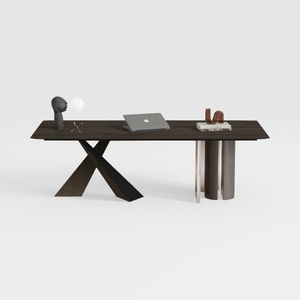
RJYYYDS Desk Game Table Home Office Desk Walnut De
Homestyler is a fantastic online home design tool for anyone looking to create stunning interiors effortlessly. With its user-friendly interface, impressive 3D rendering options, and a wealth of design projects and video tutorials, you can transform your home ideas into reality in no time!








![Design [4]](https://hs-designs.homestyler.com/production/design/images/07c2de3a-88ec-4be8-8910-ff255b795bc2/1731419398293/7841697.jpg?x-oss-process=image/resize,w_502,m_mfit/format,webp)