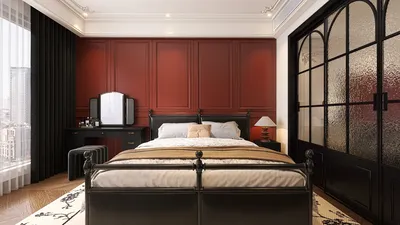


A past client once challenged me to fit a baby grand piano alongside a full dining set in a 300 square foot studio; I chuckled at first, then dived into the task. This experience highlighted a crucial principle: maximizing style in compact spaces isn't contradictory, but rather a motivating challenge that encourages smarter choices. For those aiming to design a petite kitchen that exudes luxury, start by focusing on the layout and prioritize essential tasks over mere items.
1. Furniture that serves multiple functions and can seamlessly blend away
I am particularly fond of Murphy tables, drop-leaf counters, and seating options that incorporate storage, as they allow for a fully functional space without unnecessary bulk. The benefits are clear: you gain more usable square footage when necessary and reduce clutter when it's not. Although custom pieces might come with a higher price tag and sometimes less comfort compared to single-purpose furniture, I've been able to help clients save significantly by combining functionalities instead of purchasing duplicates.
save pin
2. Utilize built-ins and niches to enhance your space
In a redesign of a 480 square foot loft, we created shallow niches and under-stair storage, which resulted in designated areas for books, appliances, and shoes. Built-ins not only feel bespoke but also elevate the perceived value of the space; however, they can limit your flexibility if you enjoy frequent redecorating. My advice is to keep built-ins neutral and modular, ensuring they maintain their appeal over time.
save pin
3. Employ light, reflective materials and appropriately scaled lighting
Light transforms everything. I consistently opt for low-profile fixtures, layered illumination, and glossy backsplashes to redirect light into corners. For those wishing to visualize their space in 3D before finalizing decisions, utilizing rendering tools can avoid costly rewiring. However, be mindful that high-gloss finishes tend to show fingerprints, so plan for maintenance accordingly.
save pin
4. Create zones using rugs, colors, and low partitions
Open-plan small spaces can greatly benefit from implied boundaries—using rugs, contrasting paint, and bookcases can delineate areas without obstructing flow. I once divided a studio into distinct sleeping and living areas with a bookcase backed by a sofa and a runner rug; guests were none the wiser that it was originally a single room. The challenge lies in acoustics: soft textiles can help, but think about incorporating a room divider that offers additional storage if sound is a concern.
save pin
5. Thoughtful kitchen planning with compact appliances
In my view, the kitchen can either enhance or diminish small living spaces. While the work triangle remains essential, I also advocate for appropriately-sized appliances, vertical installations for microwaves, and drawer dishwashers. If you're curious about AI-assisted tools to optimize kitchen layouts, experimenting with an AI program like Homestyler can rapidly uncover various arrangements. Compact kitchens can convey luxury, but they require meticulous planning for ventilation and ergonomics.
save pin
FAQ
Q: How can I make a small living room appear larger? A: Opt for light hues, utilize various light sources, and select low-profile furniture to enhance sightlines. Mirrors and reflective surfaces can amplify natural light, while a consistent flooring design creates a sense of continuity throughout the space.
Q: Is open shelving a good idea for compact kitchens? A: Open shelves can visually expand a wall and provide easy access to items, but they demand organization—dust and visual clutter can accumulate quickly. I suggest balancing open shelving with concealed cabinets for more cohesion.
Q: What is the most budget-friendly improvement for a tiny apartment? A: Enhancing lighting and applying fresh paint can yield significant effects for a modest cost; replacing bulky furniture with multifunctional options is another great return on investment. I frequently begin clients with these two elements and observe their spaces transform.
Q: Is it possible to fit a complete kitchen in a small studio? A: Definitely. By prioritizing functional areas, selecting compact appliances, and maximizing vertical storage, you'll create an efficient layout. Aim for at least 36 inches of aisle clearance when feasible, as recommended by the National Kitchen & Bath Association (NKBA) for comfortable movement (see nkba.org).
Q: Are custom built-ins worth the investment? A: Custom-built features can make small spaces operate like larger ones, particularly when space is at a premium; they also enhance resale value in competitive urban markets. However, they can be costly and lack flexibility—consider neutrals and modular elements if future layout changes are anticipated.
Q: How should I approach color in a small bedroom? A: Stick to a limited color palette and use accent shades sparingly. A dramatic headboard or a single feature wall can lend character without overwhelming the space.
Q: Which flooring type best creates an illusion of larger rooms? A: Continuous flooring featuring long planks or large-format tiles contributes to a sense of expansiveness; diagonal or horizontal layouts can exaggerate dimensions further. Avoid excessive thresholds or pattern disruptions that can interrupt visual continuity.
Q: Do I need a professional for redesigning a small space? A: Not necessarily, but hiring a designer can help circumvent costly errors—I’ve salvaged many DIY projects that misjudged scales or layouts. For plumbing or electrical modifications, it’s wise to consult a professional to ensure compliance with codes and safety.
save pin
Homestyler is your go-to online home design platform, perfect for bringing your vision to life. With an easy-to-use design tool, stunning 3D renderings, and a wealth of DIY video tutorials, you can create beautiful spaces effortlessly. Transform your home design ideas into reality today!
Дизайн сейчас бесплатно
































