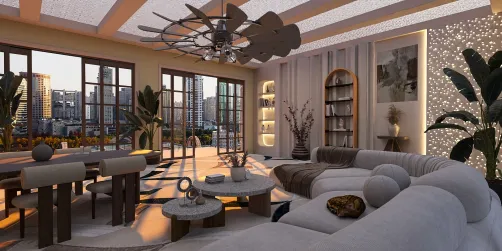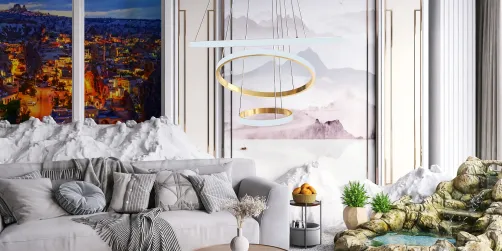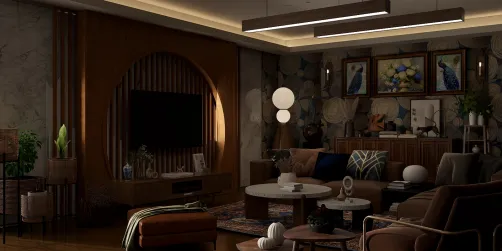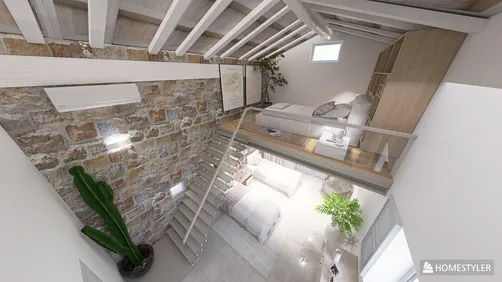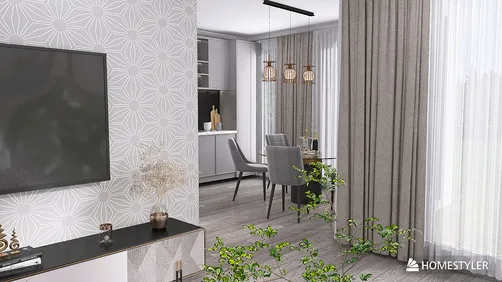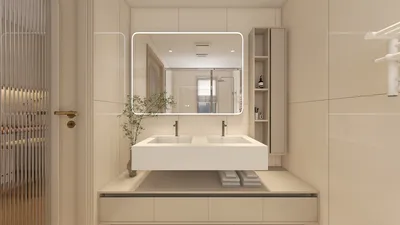
In my experience designing numerous small living rooms, maximizing every square inch and lumen is crucial. Effective lighting not only reveals the dimensions of a space but also influences its perceived size, ambiance, and functionality throughout the day. For smaller areas, it’s wise to incorporate layered lighting with varying heights and color temperatures, creating an airy atmosphere during daylight and a cozy vibe after sunset. Using tools like Homestyler can help visualize these lighting strategies effectively.
Research consistently indicates that the quality of light significantly affects both visual comfort and our mood. Following the WELL Building Standard (WELL v2), essential elements such as proper illuminance, glare control, and color quality are critical for fostering healthy interiors. Task illuminance should typically range from 300 to 500 lux, depending on the task and the age of individuals. The Illuminating Engineering Society (IES) also provides baseline recommendations for ambient and task lighting in homes to minimize eye strain and enhance visual acuity—these standards assist in ensuring optimal lighting even in the most compact living rooms.
Begin with Ambient Lighting That Conserves Space
Ambient lighting establishes the overall brightness of the room. In limited spaces, I tend to steer clear of bulky fixtures that can make ceilings appear lower. Instead, low-profile ceiling mounts, narrow-bezel LED downlights with wide beam spread (40–60°), or sleek linear LEDs grazing the ceiling are preferred. Aim for 150–300 lux for ambient lighting, adjusting towards the higher end for darker walls or matte finishes. It's essential to include dimming options to smoothly transition from bright daytime lighting to a relaxing evening atmosphere with no harsh contrasts, and tools like Homestyler can assist in testing these variations.
Utilize Wall Washing to Visually Expand the Space
Casting light across vertical surfaces can create an illusion of a larger room. Employ a slim LED wall washer or adjustable downlights set 12–24 inches from walls to soften textures and eliminate shadows behind furniture. If built-ins are present, micro-LED strips under shelves can enhance depth while avoiding clutter. Careful calibration of brightness will ensure an even distribution of light, which contributes significantly to the perceived spaciousness.
Incorporate Task Lighting Where You Actually Use It
Task lighting should always be placed where it’s most needed. A floor lamp positioned behind or beside the main seating area, with the bottom of the lampshade at eye level when seated, helps to avoid glare. For reading, aim for 300–500 lux at the reading surface. A compact swing-arm sconce behind the sofa can save floor space and keeps cords out of sight. If you’re considering a redesign or layout change, testing lamp positions early with a room layout tool like Homestyler helps ensure that your furniture arrangement accommodates switch access and cable management.
Accents: The Key to Adding Depth in Small Spaces
Accent lighting introduces focal points and visual rhythm, making small rooms feel more curated instead of confined. Implement picture lights, uplighting for plants, or concealed LED strips behind media consoles to add layers of interest. Keep accent lights in a warmer color range (2700–3000K) during the evening to foster a soothing atmosphere while minimizing glare by directing fixtures away from direct sightlines.
Color Temperature: Adjust for Different Times of the Day
The color temperature of your lights alters the perceived brightness and overall ambiance of the room. I typically opt for around 3000K for small living spaces—warm enough to ensure comfort while bright enough to prevent corners from feeling dingy. If the space also serves as a workspace, consider using tunable white lighting (2700–4000K) to accommodate daytime tasks in a cooler light. The WELL v2 guidelines also stress the importance of color quality; seek LEDs with a CRI of 90+ to ensure that skin tones and textiles appear naturally without a flat or grayish appearance.
Managing Glare: It’s Subtle, but Its Impact is Strong
Glare can quickly lead to eye fatigue, especially in smaller rooms that feature glossy surfaces. To mitigate this, opt for diffused shades, prismatic lenses, or recessed LEDs that don’t emit direct brightness into your line of sight. When watching TV, select asymmetric floor lamps or consider backlighting the screen to create a balance in contrast that minimizes eye strain during evening viewing.
Maximize the Effectiveness of Your Windows
Natural daylight enhances the perception of spaciousness. Using light, open-weave drapes along with high-mounted rods visually elevates the ceiling while allowing maximum light entry. Placing mirrors opposite windows can help bounce light further into the room—just ensure mirrors are positioned where they don’t reflect bare bulbs. If excessive sunlight creates glare, layered sheer shades combined with blackout curtains provide a great alternative to heavy opaque drapes that can darken the room.
Tricks for Enhancing Ceiling Height
To create the illusion of a higher ceiling, concentrate the brightest lighting at the ceiling level. Cove lighting or perimeter uplighting draws the eye upward. In rooms with ceiling heights below 8' 6'', I prefer flush or semi-flush fixtures under 10 inches high. Pendant lights can still be an option; select narrow designs that hang higher than standard, complemented by softer lighting at eye level, ensuring that no single source is harsh.
Dim to Create Defined Spaces
Small living areas often serve multiple functions. Set ambient, task, and accent lighting on separate dimmers to effortlessly create customized lighting scenes for movie nights, reading, or socializing. If you are reorganizing the furniture layout, pre-visualize the positioning of switches and cable paths using an interior layout planner like Homestyler, before finalizing your plan.
Material Choices to Amplify Light
Selecting the right finishes can greatly enhance the light efficiency of a space. Satin or matte wall paints reduce glare while reflecting enough light to brighten corners. Materials such as brushed metal, linen, and open-weave shades effectively diffuse light. While dark woods and heavy textures can remain, balancing them with lighter, low-sheen rugs and a pale ceiling (aim for LRV 80+ if achievable) will help maintain an airy feel. Additionally, clear or ribbed glass shades help distribute light without the feeling of heaviness.
The Synergy of Acoustics and Lighting
Small rooms tend to reflect sound, so incorporating felt-wrapped acoustic panels or fabric-wrapped art alongside softly shaded lamps can control both sound reverberation and glare. If you enjoy entertaining, this combination creates a pleasant atmosphere for conversations without the clinical brightness often associated with overly illuminated spaces.
Compact Fixtures I Prefer for Space Constraints
- Sleek LED floor lamps with heavy bases (stable and compact)
- Plug-in wall sconces featuring fabric shades (easy to install, excellent diffusion)
- Low-profile ceiling lights with high CRI and broad beam spreads
- Micro-LED strips suitable for shelves, cove areas, and behind media setups
Behavioral Lighting Patterns: Adapt to Your Lifestyle
Align your lighting with your daily routines: consider a warm floor lamp for morning coffee by the window, a cooler ambient light for sorting mail or work, and soft task lighting paired with dimmed accents for evenings. The best lighting layouts in small rooms feel cohesive, as each light serves a real purpose rather than merely looking good in photos.
Quick Planning Checklist for Lighting
- Ambient: 150–300 lux, with dimming capabilities
- Task: Target 300–500 lux at reading surfaces
- Color: Aim for 2700–3000K in the evening; consider tunable options between 2700–4000K if the space doubles as a work area
- Quality: Select LEDs with CRI of 90+
- Glare Management: Utilize diffusers, deep regress techniques, and precise aiming
- Control Systems: Implement separate circuits or smart dimmers for various lighting types
- Layout: Experiment with lamp placements, outlet locations, and cable management using a layout simulation tool like Homestyler before making any purchases.
References and Beyond
For comprehensive insights on illuminance, glare control, and color quality, consult the WELL Building Standard (WELL v2) and the IES residential lighting guidelines. These resources provide a solid foundation for making informed decisions regarding small-space lighting and decor, grounded in human-centric design principles rather than guesswork.
Frequently Asked Questions
The color temperature of 3000K is often a universal choice—warm enough for comfort while still bright enough to prevent shadowy corners. For work purposes, opt for tunable white light in the range of 2700–4000K for temperature adjustments between cooler daylight and warmer evening tones.
Aim for general ambient lighting levels of approximately 150–300 lux throughout the room. For a living area ranging from 120–180 sq ft with mid-tone walls, this typically translates to 2,000–3,500 lumens spread across multiple layers, plus additional focused task lighting for reading purposes (300–500 lux at the page).
Absolutely—when keeping them sleek, positioning them higher than usual, and balancing their brightness with ceiling-level solutions (such as cove or wall washing), pendants can serve as effective light sources that enhance, rather than overwhelm, the space.
To avoid glare, select diffused shades, deep-recessed downlights, and position asymmetric floor lamps off to the side of the screen. Adding soft backlighting behind television screens can also help tone down contrasts effectively.
A CRI of 90+ will make a noticeable difference, rendering colors—especially skin tones, textiles, and wood—more naturally. A low CRI can lead to a flat or gray appearance in the room.
Certainly—crafting distinct scenes for ambient, task, and accent lighting can transform a small space into a more versatile haven without overcrowding it with fixtures. Incorporating dimmable and tunable white lighting can significantly enhance comfort levels.
Brightening walls and ceiling edges while layering soft accent lighting creates an impression of depth. Steer clear of single-point overhead glare; instead, utilizing multiple low-intensity light sources can create the perception of a larger space.
Position your lamps slightly behind the arm of the chair, ensuring the bottom of the shade aligns with seated eye level. Keep the pathways clear and securely fasten cables along baseboards or beneath rugs with cord covers, for a streamlined look.
These options are fantastic for winding down in the evenings. As the lights dim, the glow shifts warmer (e.g., from 3000K down to 2200K), closely resembling incandescent lighting and promoting a tranquil environment.
Use small picture lights or narrow-beam adjustable downlights angled at approximately 30°. Keep brightness levels modest—just sufficient to raise the artwork slightly off the wall without creating harsh spots.
Indirectly, yes. Combine elements like fabric lampshades, upholstered pieces, and soft rugs to diminish sound reflection. Adding a few acoustic treatments along with your lighting can further enhance the tranquility of small spaces by mitigating noise.
For ambient downlighting, fixtures with spread angles of 40–60° provide consistent coverage, while narrower beams (15–25°) should be reserved for accent lighting to avoid uneven brightness.
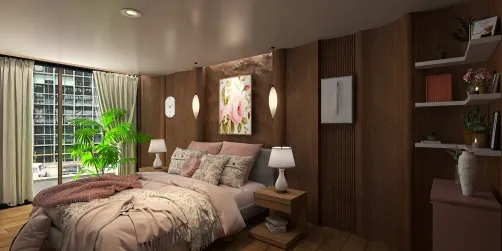
Discover the transformative power of Homestyler! This user-friendly online design platform offers an intuitive design tool, stunning 3D renderings, and countless interior design projects. With engaging video tutorials, you can easily elevate your home design skills and bring your dream space to life effortlessly!








![Design [4]](https://hs-designs.homestyler.com/production/design/images/07c2de3a-88ec-4be8-8910-ff255b795bc2/1731419398293/7841697.jpg?x-oss-process=image/resize,w_502,m_mfit/format,webp)