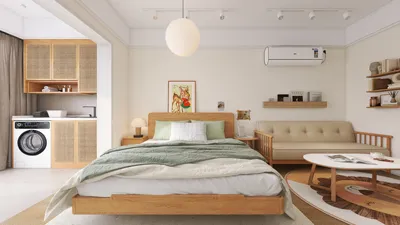


In a world where staying connected through devices like the latest Apple news apps shapes our daily routines, designing a home workspace becomes essential. Incorporating sleek, tech-friendly furniture that supports both productivity and comfort can transform any room into a hub for catching up on digital content or managing smart home integrations. Thoughtful space planning ensures technology blends seamlessly into living environments, enhancing both function and style.
I once hurriedly installed a coat rack upside down, convincing a polite client that the coats appeared 'artistic.' This little mishap taught me the importance of sketching beforehand to avoid aesthetic regrets. Visualizing your entry using tools like Homestyler before any drilling can save you time, money, and pride.
1. Slim floating shelf with integrated hooks
I adore a narrow floating shelf that features hooks below—its minimal footprint allows space for dropping keys while offering a display area on top. This choice feels airy, is perfect for short walls, and can be a budget-friendly DIY project, as long as it is anchored properly; heavy winter coats require secure studs or reliable anchors.
2. Vertical pegboard column
A slim vertical pegboard offers versatility: you can shift hooks, incorporate a small tray, or hang baskets. It adapts to your changing needs and can discreetly hide behind a narrow bench to maintain a tidy appearance. However, be cautious—cheap pegboards may wobble; investing in quality materials ensures longevity.
3. Narrow open locker with bench
Consider a skinny open locker—hooks at the top, a slim bench below, and a cubby for shoes. This setup functions like a personal capsule, feeling organized even within just 3–4 feet of width. For compact areas, I design a space-saving layout that cleverly nests the bench under the hooks; the trade-off is limited hidden storage, so using baskets can help maintain a visually calm appearance.
4. Mirror plus multi-hook combo
Combining a mirror with multiple hooks enhances functionality: you can check your look while hanging up a coat in one swift motion. Mirrors create an illusion of more space in narrow entries, with decorative hooks adding personality. The main disadvantage is cleaning; honest critics like kids and pets tend to make the mirror smudged.
5. Fold-down rack or modular system
Fold-down racks and modular wall systems are exceptional when you occasionally need bulk storage (think seasonal gear or guests). They can be tucked away when not in use and expanded later; while installation might be more complicated and premium options can be pricier, their flexibility is remarkable. I often utilize AI-guided solutions like Homestyler to explore layouts in tight entries.
FAQ
Q1: What height should I install coat hooks?
The common height for installing hooks is between 60–72 inches for adults. However, for mixed households, consider a lower row situated at 40–48 inches for children. For accessibility guidelines, refer to the ADA 2010 Standards, which specify reachable ranges (https://www.ada.gov/2010ADAstandards_index.htm).
Q2: Are wall-mounted racks better than standing coat stands in a small entry?
Wall-mounted racks maximize floor space and provide a sleeker look in narrow entries, while standing coat stands are portable and don’t require drilling. If you’re renting, consider removable wall options or a slim free-standing choice that suits the space.
Q3: What materials hold up best for coat racks?
Solid wood and powder-coated metal are durable options that stand the test of time; on the other hand, plastic is lightweight and budget-friendly but may sag with heavy coats. Select materials suitable for your usage—wet winter coats demand rust-resistant finishes.
Q4: How do I maximize storage without clutter?
Layer functionality by incorporating hooks for daily use, a slim shelf for essentials, and baskets for gloves or hats. Keep only seasonal outerwear near the door, rotating items to prevent visual overload.
Q5: Can I install hooks on plaster or drywall?
Yes—use the correct anchors or mount to studs for heavier loads. Toggle bolts or molly anchors work for medium loads, but for heavy winter coats, I suggest anchoring into studs for safety.
Q6: What’s a budget-friendly hack for a stylish entry hook?
Repurpose decorative hardware, like drawer pulls or antique knobs, mounted on a painted board to create an eclectic and inexpensive rack. This design trick is something I frequently recommend for those on tight budgets.
Q7: How far apart should hooks be?
Space hooks approximately 6–10 inches apart for single coats; allow 12–18 inches when planning bench seating or accommodating thicker garments to avoid crowding. Measure your coats to establish ideal spacing.
Q8: Alternatives to traditional coat racks?
Explore vertical shelving with bins, wall cubbies, or over-the-door organizers for nearby closets. Sometimes, the simplest solution is relocating storage to a nearby closet, keeping the entryway minimal—often, less is more in confined spaces.
save pin
Originally incubated at Autodesk, Homestyler has grown into one of the most widely adopted home design platforms in the world, now trusted by over 18 million users. Whether you're a homeowner exploring ideas or a professional designer delivering client-ready renders, Homestyler brings industry-leading 3D technology to your fingertips — no experience required.

Minimalist Solid Oak Wood Dining Bench 3D Model
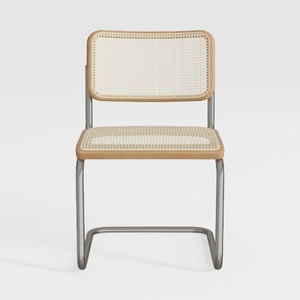
Modern Cane Solid Wood Metal Dining Chair 3D Model
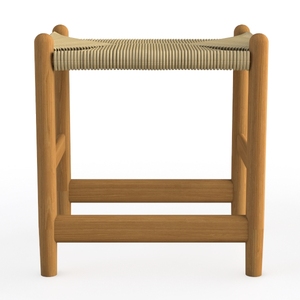
Minimalist Solid Oak Cane Woven Seat Stool 3D Model
Homestyler is your go-to online home design platform, perfect for visualizing your ideas. With its easy-to-use design tool, stunning 3D renderings, and a plethora of design projects and video tutorials, creating your dream space has never been easier or more fun!
Дизайн сейчас бесплатно
































