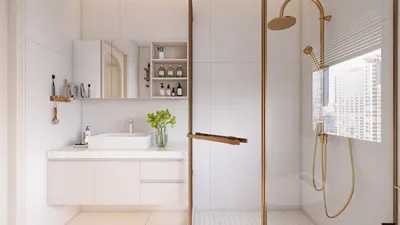


When designing compact dining areas, I approach it like creating a harmonious vignette: minimizing space requirements while enhancing the overall experience. A four-seat arrangement strikes the perfect balance for apartments, urban residences, and open-concept layouts, where the dining area intersects with kitchens and living rooms. The objective is straightforward—maximize comfort and fluidity without overwhelming the space.
Understanding Dimensions and Their Importance
A typical four-person dining table measures around 36 to 42 inches (91 to 107 cm) in diameter for round versions, or 30 to 36 inches (76 to 91 cm) in width and 48 inches (122 cm) in length for rectangular ones. To prevent any collisions with elbows or chair backs, I ensure at least a 36-inch (91 cm) clearance around the table—ideally 42 inches (107 cm) for high-traffic areas. Research from Steelcase links proper spatial arrangements with improved satisfaction and performance; this principle is equally relevant in home settings where dining also serves as a social interaction space (steelcase.com/research). WELL v2 further emphasizes human-centric ergonomics, providing recommendations for movement paths and seating comfort (wellcertified.com).
Maximizing Space with Clever Layouts
The layout of small dining spaces can significantly affect functionality. I recommend positioning the table near the room's best natural light source or a prominent wall, then mapping pathways to the kitchen and living area. In constrained, multifunctional spaces, optimal placements often include placing the table against a banquette on one side or centered beneath a pendant light to facilitate smooth traffic flow. To visualize different configurations, utilizing a room design tool like Homestyler can help you quickly experiment with pivot points and sightlines in your layout.
Selecting the Ideal Table Shape
Opting for round tables fosters a more gentle flow and minimizes sharp corners, making them ideal for narrow spaces or homes with children. A 40-inch round table comfortably accommodates four people while encouraging lively conversation. Conversely, rectangular tables work well against walls and can double as work surfaces. A compact 30 by 48-inch rectangle is both functional and efficient; consider adding a bench on one side to maximize clearance. Square tables are best suited for perfectly square rooms, as they may appear static and obstruct movement in other layouts.
Prioritizing Comfort and Ergonomics in Seating
Comfortable seating is essential in any dining area. The ideal seat height ranges from 17 to 19 inches (43 to 48 cm), while the table height should fall between 28 to 30 inches (71 to 76 cm). It's essential to provide 10 to 12 inches (25 to 30 cm) of leg room beneath the table. Chairs with a slight lumbar curve and soft edges minimize pressure points during lengthy meals or when working on a laptop. Armchairs offer a touch of luxury but can add width—average overall chair width should remain around 18 to 20 inches (46 to 51 cm) for smaller spaces. Ergonomic principles prioritize posture and wrist positioning; if your dining area occasionally acts as a makeshift desk, these factors become crucial (ergonomics.org).
Choosing the Right Materials: Light, Durable, and Maintainable
For small dining areas, visually lighter materials enhance the space: slim wood tabletops, matte finishes that mitigate glare, and rounded edges to soften the overall appearance. For homes with children or in rental situations, I recommend sealed wood, high-pressure laminate, or sintered stone surfaces, as they are resistant to stains, heat, and easy to clean. Solid ash, oak, or powder-coated steel chairs ensure durability, while upholstered seating made from performance fabrics (with at least 30,000 double rubs) or leather provides comfort without excessive maintenance. From a sustainability perspective, look for FSC-certified wood and low-VOC finishes to maintain healthy indoor air quality.
Illuminating Your Dining Space: Control and Atmosphere
An ideal light fixture for your dining table should produce 20 to 30 footcandles (200 to 300 lux) of illumination. Using a warm-to-neutral color temperature of 2700 to 3000K enhances food appearance and creates a flattering glow. Dimmers are essential in multifunctional spaces; a drop height of 60 to 90 cm from the ceiling to the fixture is standard for rooms with 8 to 9-foot ceilings, adjusted to prevent glare. The IES advocates for appropriate task lighting and glare reduction; opting for matte diffusers, fabric shades, or prismatic glass helps diffuse harsh brightness (ies.org/standards). Additionally, consider layering your lighting with wall sconces or slender LED strips on nearby shelves to provide depth without crowding the space.
Understanding Color Psychology in Small Dining Rooms
Color choice significantly influences appetite and social interactions. Warm neutrals along with muted reds or terracotta shades can stimulate the environment subtly without overwhelming it. If the dining area features a cooler palette, introducing accents like olive green, warm gray, or blush can maintain balance. According to Verywell Mind's insights into color psychology, red promotes energy while blue provides a calming effect; I usually opt for muted warm colors to encourage conviviality while applying cooler tones on adjacent walls to offset visual weight (verywellmind.com/color-psychology). A two-tone color scheme, such as a lighter room envelope paired with a darker table, can add dimension without making the space feel cramped.
Acoustics: Ensuring Clear Conversations
Sound-reflective dining areas can amplify noise levels. To combat this, I suggest placing a medium-pile rug beneath the table (paired with a low-profile pad for ease of chair movement), incorporating upholstered seating, and using fabric shades or textured wall panels to absorb sound. In compact dining rooms, even a soft surface coverage of 25 to 35% can significantly improve acoustics, creating a more enjoyable conversation experience.
Rug Sizing: Creating Visual Stability
Ensure that the rug is large enough to keep all chair legs on it when pulled out; typically, this means adding roughly 24 inches (61 cm) beyond the table’s edge. Opt for rounded rug corners that complement the shape of a round table and ease the flow of movement. For rectangular tables, a rug featuring a subtle border can help frame the area, providing a visual anchor without overloading the space.
Storage and Dual-Functionality Solutions
In smaller households, the dining table often serves multiple purposes. Pairing the table with a slender sideboard (12 to 16 inches deep) or wall-mounted shelving for dishware can enhance functionality. Drop-leaf tables, butterfly extensions, or nesting stools can accommodate extra guests, then discreetly tuck away. Using foldable, lightweight chairs that can be stored vertically on wall hooks in hallways is another great way to provide additional seating without compromising space.
Styling Techniques: Centerpieces, Place Settings, and Minimalism
Always position centerpieces below eye level (approximately 6 to 8 inches tall) to maintain clear sightlines across the table. A single decorative bowl, a compact floral arrangement, or a sculptural candle holder serves as a sufficient focal point. For everyday dining, I favor placemats instead of runners as they help create organization and protect table finishes without closing off visual space.
Popular Layouts for Four Seats
- A round table centered under a pendant light, with chairs positioned away from heavy traffic areas.
- A rectangular table against a banquette on one side, accompanied by two chairs opposite and one at the end.
- A square table positioned diagonally to align with room angles when space is confined.
- A compact table aligned perpendicularly to a kitchen island for visual harmony and shared lighting.
For quick trials of these arrangements, using an interior layout planner like Homestyler can facilitate the testing of clearances and chair movement arcs.
Insights into Upcoming Small Dining Trends for 2024-2025
- Sleek pedestal bases for maximizing legroom.
- Gentle curves and bullnose edges promoting safer navigation.
- Performance fabrics featuring warm, tactile textures.
- A combination of wood types with matte surfaces to minimize glare and smudges.
- Slimline, dimmable LED pendants that render warm colors effectively.
Frequently Asked Questions
For optimal comfort, a round table measuring 36 to 40 inches or a rectangular option at 30 by 48 inches works well. Ensure at least 36 inches of clearance around the table for easy movement.
Round tables enhance circulation and eliminate sharp edges, whereas rectangular tables are better positioned against walls or banquettes. Choose based on the traffic flow in your space.
The standard table height is between 28 to 30 inches, with seat height from 17 to 19 inches. Maintain 10 to 12 inches of legroom under the table to ensure comfort.
Aim for lighting levels between 200 and 300 lux (20 to 30 footcandles) using a color temperature of 2700 to 3000K. Use a dimmer and diffuser to manage glare according to IES recommendations.
Incorporating a rug, upholstered chairs, and a fabric-shaded pendant light can help dampen echoes. Covering approximately one-third of the space with soft materials significantly enhances sound quality.
Materials such as sealed wood, high-pressure laminate, and sintered stone offer excellent resistance to stains and heat. Opt for performance fabrics or leather on seating for durability.
Absolutely. A rectangular table with rounded edges, combined with proper task lighting and supportive chairs, ensures good ergonomics for a dining space.
Keep centerpieces low (6 to 8 inches tall), simplify placemats, and minimize everyday items. Let materials and natural light serve as the main visual elements.
Extend the rug approximately 24 inches beyond the table on all sides to keep chairs positioned comfortably when pulled out.
Typically, light fixtures should hang 28 to 34 inches above the surface of the table in rooms with 8 to 9-foot ceilings, adjusted to avoid glare while keeping sightlines optimal.
Yes. Positioning a bench against a wall or banquette conserves walking space while providing flexible seating options without broadening the overall chair width.
Warm neutrals, terracotta tones, and muted blush hues foster a welcoming atmosphere. Balance these warmer shades with cooler tones on adjacent walls to prevent a visually overwhelming effect.
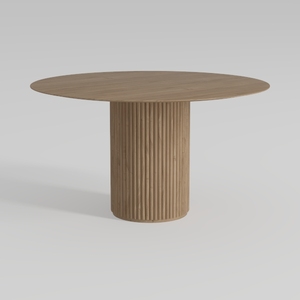
Tribesigns 47" Round Dining Table for 4, Farmhouse

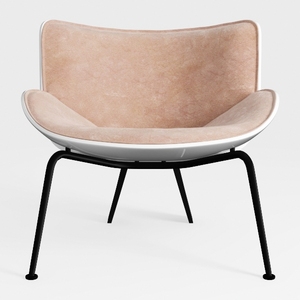

HomePop Home Decor | Upholstered Modern Accent Cha
Homestyler is your go-to online home design platform, offering an intuitive design tool and stunning 3D renderings. Dive into a world of creativity with a wealth of design projects and easy-to-follow video tutorials that help you realize your dream space, no matter your skill level!
Дизайн сейчас бесплатно
































