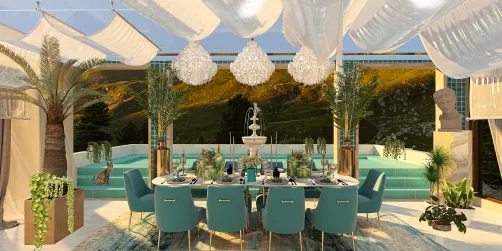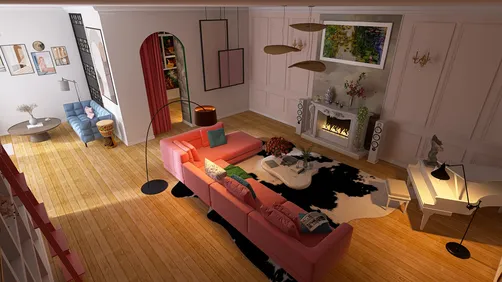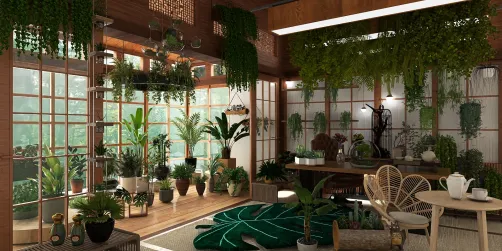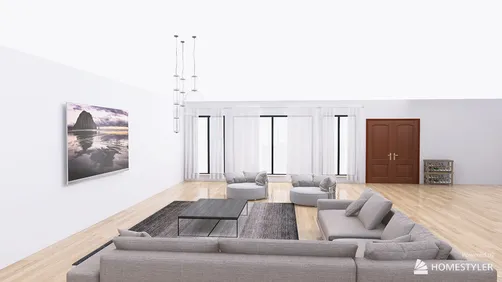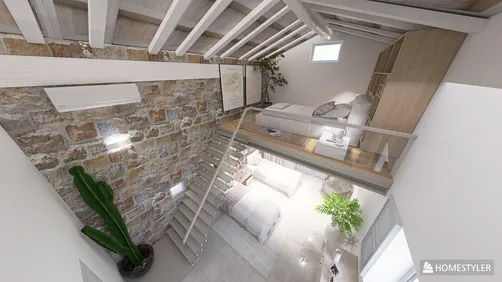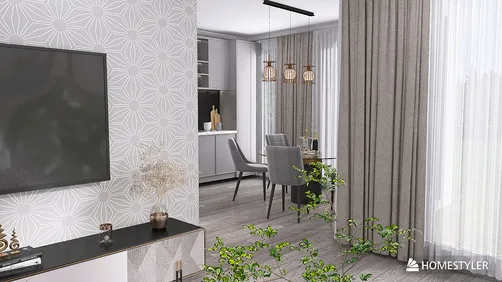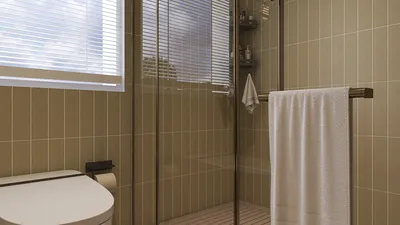
French cottages have always captivated me with their understated beauty—small footprints, graceful proportions, and well-organized spaces that avoid feeling cramped. When creating designs for petite French cottage house plans, I utilize principles like human-centered design, optimal daylighting, and spatial flow to maximize every square inch while maintaining their romantic allure.
Thoughtfully designed compact homes enhance comfort and wellbeing significantly. According to the WELL Building Standard, factors such as daylight exposure, acoustics, and material choice can deeply affect health. Proper window placement to ensure circadian lighting, reducing glare, and enhancing air quality have been shown to positively influence sleep quality and overall productivity. Research from Gensler indicates that the quality of space—including clear pathways and diverse seating options—contributes to greater user satisfaction and performance; these concepts easily translate into cottage design, where every choice holds importance.
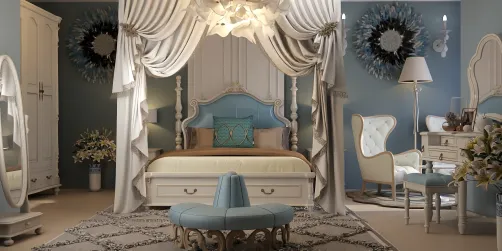
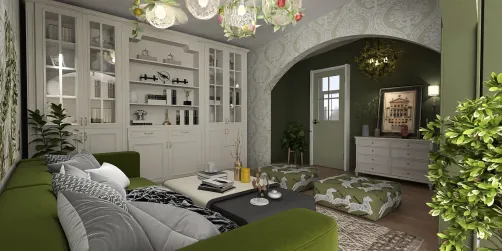
Lighting guidelines serve as essential frameworks for designing small living spaces. For living areas, I aim for about 200–300 lux of ambient lighting and 500 lux for kitchen tasks, aligning with recommended IES standards. Using warm white lighting in the 2700–3000K range captures the cozy ambience of a cottage while mitigating nighttime glare. Additionally, color psychology informs my choice of shades: calming desaturated greens for circulation spaces, light creams to enhance perceived volume, and restful muted blues for compact bedrooms.
Foundational Principles: Scale, Proportion, and Flow
The charm of a French cottage is deeply rooted in its visual proportions—modest roof pitches, low eaves, and rhythmically placed windows rather than strict symmetry. Where building codes allow, I design hallways to be narrow—about 32–36 inches—and expand key areas, like window alcoves and hearth corners, to 48–60 inches to create inviting spaces. Sightlines are crucial; having a clear view from the entryway to either a garden or fireplace adds an emotional anchor to the layout and gives the impression of greater depth.
Effective Layout Strategies for Small Homes
In tiny homes, typically ranging from 450–900 sq ft, I prefer a two-bay design: one bay for an open living, kitchen, and dining area, and the other for private sleeping and bathing spaces. To efficiently visualize furniture arrangements and circulation, I employ a room layout tool, enabling me to simulate movements and test the functionality of door and window placements before settling on a design.
- Ensure the living area remains within 10'–12' in width for a balanced furniture arrangement.
- Position the stove or fireplace on a short wall to maintain clear sightlines.
- Incorporate built-ins like low bookcases or window seats to anchor the seating area effectively without bulky furniture.
- Layer various lighting types—ambient (pendant), task (picnic lights), and accent (sconces)—at warm 2700–3000K; using dimmable drivers allows for mood modulation.
- A galley kitchen measuring 7'–8' wide with a 42"–48" aisle is suitable for two people; adjust to a 54" width if the fridge is opposite the sink.
- Following NKBA recommendations for the work triangle, aim for configurations that measure 4'–9' apart with a total triangle length of 13'–26'.
- Opt for a straight run with a peninsula to create breakfast seating and provide visual separation.
- Install task lighting at 500 lux with a CRI of 90+ to decrease shadows on preparation surfaces.
- Ensure a clear space of 24"–30" around a full or queen bed.
- Utilize storage solutions like headboards with built-in compartments, beneath-bed drawers, and shallow wardrobes (20"–22").
- Choose low-chroma wall colors; shades like muted sage or greige soften edges and enhance tranquility in the space.
- Opt for pocket doors to save space while ensuring circulation remains at a minimum of 24" wide.
- A wall-mounted vanity will maintain a sense of spaciousness in the bathroom.
- Select slip-resistant tiles (COF ≥ 0.42 when wet) and pair with warm, diffused sconces (2700K) by the mirror for safety and comfort.
Authentic Elements of a French Cottage
Authenticity in materials shapes the aesthetic: using limewash plaster with textural brush finishes, aged oak beams, terracotta, or hex cement tiles gives a rustic touch. I prioritize slim profiles in trim—such as beaded boards in humid areas and simple casings with a slight backband around windows. Hardware choices are tactile and appealing—such as untreated brass knobs that deepen in hue over time, iron latches, and woven pulls crafted from rush or leather.
Creating a Light Environment and Window Design
For optimal daylight management, I favor tall, slender windows with divided lights and deep jambs to create both shade and sunlight effects. Features such as overhangs and external shutters mitigate heat gain and glare during peak sun hours. Inside, sheer linen curtains soften harsh contrasts, while blackout layers in bedrooms help maintain circadian rhythms. I keep daytime ambient lighting around 200–300 lux and supplement with localized lamps to avoid uniform brightness that can dull character in these intimate spaces.
Addressing Acoustics in Compact Homes
To counteract noise amplification from hard surfaces, I introduce dense natural fiber rugs, upholstered furniture, and ceiling beams that reduce sound reflections. For rooms measuring 10'–12' wide, incorporating a fabric-lined window seat can absorb sounds while remaining true to the decor. Additionally, using quiet mechanical systems—such as laundry appliances positioned away from bedrooms and quieter range hoods—ensures a peaceful evening environment.
Considering Human Factors: Ergonomics and Storage
I focus on ease of reach, grip, and movement in small spaces. Cabinet pulls designed for three fingers minimize strain, and doors must open without interfering with transit routes—placing dimmers near entries and task lighting close to handles enhances functionality. Utilizing a 9"–12" deep wall zone allows for plate racks, spice shelves, and picture framing. An attic hatch installed near circulation areas provides a convenient storage solution for seasonal items without consuming important floor space.
Creating Outdoor Living Spaces: Courtyards and Edges
French cottages thrive on the charm of transitional spaces—be it tiny verandas, herb gardens, or pebbled courtyards. Even a modest 6' x 10' courtyard can transform into a cozy second living space with a charming bistro table and climbing trellis. Keep plantings simple: boxwood edges, fragrant rosemary, and climbing roses evoke a sense of tranquility. A warm 2700K lantern softly illuminating the garden wall creates an inviting atmosphere without harsh glares.
Sustainable Material Choices with Character
Natural lime plasters promote vapor permeability, effectively controlling humidity levels. Utilizing reclaimed wood and clay tiles allows materials to age beautifully while lowering carbon footprints. Opt for solid wood cabinets with low-VOC finishes, as brass and iron hardware can often be restored rather than discarded. In compact homes, the beauty lies in durability—scratches and signs of wear narrate the story of the space.
Understanding Spatial Ratios and Visual Balance
I favor a 60/30/10 ratio in my designs: 60% calm surfaces (like plaster and light-colored paint), 30% warm wood finishes, and 10% metal accents. Repetition creates a sense of rhythm—be it three similar sconces or aligned rafters. Aligning the furniture's axes with windows and the fireplace reduces visual clutter. When ceiling heights are limited, painting the crown the same color as the walls can create an illusion of elevation.
Emerging Trends for 2024–2025 Ideal for Cottages
- Creating cozy wellness nooks: a chaise positioned near a window with a task lamp and small bookshelf.
- Integrating discreet technology: concealed charging drawers, under-cabinet outlets, and low-noise ventilation systems.
- Earthy color palettes: utilizing shades like clay, ochre, and linen white promotes natural grounding and is conducive to repair.
- Versatile furniture choices: options such as drop-leaf tables and stools doubling as plant stands.
Planning Toolkit for Your Cottage
Begin by working from the outside in: finalize window sizes, ceiling heights, and roof angles before arranging the interior. Experiment with at least three layout versions and visualize them in a virtual planner to assess circulation, clearances, and natural light changes throughout the day. Avoid over-specifying lumens; layering light sources and using dimmer switches enhances the overall ambience.
Reference Benchmarks for Cottage Design
- Standard residential ambient lighting should range from 200–300 lux, with kitchen task lighting around 500 lux, consistent with IES recommendations.
- The NKBA triangle for kitchens remains valid, suggesting a total of 13'–26' with appropriate spacing between key work areas.
- WELL principles—access to daylight, choice of materials, and thermal comfort—can be incorporated into cottage designs for healthier living environments.
FAQs on Designing Small French Cottages
Q1: What design elements make a small French cottage appear more spacious?
A1: Maintaining clear sightlines to focal points, such as a fireplace or garden access, tall narrow windows, and a selected neutral palette contributes to the perception of space. Keeping circulation paths open, alongside built-in features that minimize bulky furniture, is essential.
Q2: How can lighting be effectively layered in compact rooms?
A2: Aiming for 200–300 lux of ambient lighting supported by warm sources (2700–3000K), combined with 500 lux task lighting in kitchens, alongside accent sconces to embellish textures, is ideal. Dimming options can help limit nighttime glare.
Q3: What kitchen designs work best in a cottage setting?
A3: A galley or single-run layout with a peninsula, maintaining aisle widths between 42"–48" and following the NKBA triangle principles of 13'–26' in overall measurements. Incorporating under-cabinet lighting enhances functionality, and lighter tones for upper cabinets are preferred.
Q4: Which materials embody French cottage style?
A4: Authentic materials such as limewash plaster, oak wood, terracotta or cement tiles, untreated brass, and wrought iron effectively capture the cottage aesthetic. Finishes that age and can be repaired are particularly desirable.
Q5: How do I manage acoustics in smaller spaces?
A5: To control sound, utilize dense rugs, upholstered furniture, bookshelves, and fabric-lined details. Specifying quiet mechanical devices and separating laundry areas from sleeping zones is essential for maintaining peace.
Q6: What color schemes are best for tiny bedrooms?
A6: Utilizing low-chroma neutrals—like soft cream, greige, or muted hues such as blue or sage—reduces visual clutter and promotes restful environments.
Q7: How can I incorporate storage without cluttering the space?
A7: Implementing 9"–12" shallow wall storage, under-bed drawers, storage integrated into headboards, and built-in window seats maximizes utility. Keeping wardrobes around 20"–22" helps maintain useful floor space.
Q8: How do shutters and overhangs enhance comfort?
A8: These features help regulate light exposure and mitigate glare and heat, ensuring comfort while reinforcing the architectural rhythm typical of cottages.
Q9: What outdoor elements accentuate a cottage's appeal?
A9: Features like compact courtyards, gravel pathways, boxwood borders, fragrant herbs, and inviting 2700K lanterns all contribute while ensuring furnishings remain light and functional, like a bistro table and folding chairs.
Q10: Is it possible to integrate modern technology without sacrificing character?
A10: Absolutely—incorporating concealed charging options, discreet outlets, and quiet HVAC systems is effective. Elements present should maintain tactility and timelessness while supporting modern conveniences.

Homestyler is your go-to online home design platform, perfect for both beginners and seasoned designers. With its easy-to-use design tool, stunning 3D renderings, and a wealth of DIY video tutorials, you can transform your home ideas into reality effortlessly. Dive in and start designing today!








![Design [4]](https://hs-designs.homestyler.com/production/design/images/07c2de3a-88ec-4be8-8910-ff255b795bc2/1731419398293/7841697.jpg?x-oss-process=image/resize,w_502,m_mfit/format,webp)