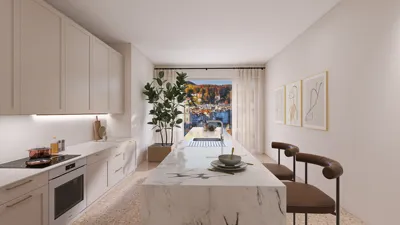


When it comes to designing terrace roofs for small homes, I see it as a brilliant opportunity to maximize livable space without altering the home’s footprint. A thoughtfully designed roof can provide daylight, shade, rain protection, and even extra storage, all while enhancing the architectural appeal. In these compact homes, roof terraces frequently serve as the most adaptable social and restorative areas.
Understanding the value of a terrace roof
Exposure to daylight and fresh air has a proven positive impact on comfort and overall well-being. According to WELL v2, adequate light fosters circadian health, while its Light feature emphasizes glare management to enhance effective illumination. Research from Steelcase indicates that access to natural light and views is among the top desired amenities in workplaces, correlating with increased satisfaction. This insight applies equally to residential terraces, where light and vistas greatly enrich day-to-day living. I utilize these insights to craft roof designs that welcome light while addressing heat and glare concerns, often aided by tools like Homestyler for enhanced planning.
Thermal efficiency is just as critical. The WELL v2 Thermal Comfort features suggest that occupant contentment improves when temperature fluctuations are minimized and heat conduction is reduced. Small houses can limit roof heat gain and stabilize temperatures beneath terraces by employing high-albedo finishes, insulated structures, and thoughtful shading strategies.
Determining the structure and layout
In the case of compact designs, the structure and load paths play a pivotal role in rooftop possibilities. Typically, I begin with a lightweight terrace deck system situated over a waterproof slab, designating areas for seating, planting, and movement. Tools like room layout planners can be invaluable when visualizing furniture arrangements and circulation on these cozy terraces.
Comfortable circulation widths of 900–1000 mm are ideal, with narrower passages down to 800 mm suitable for occasional use. It's essential to align heavier elements—such as planters, water tanks, and pergola supports—with structural beams or load-bearing walls. A slope of 1–2% towards drainage points is crucial to prevent water accumulation.
Ideal roof types for small homes
Flat roofs paired with modular pergolas are easy to construct and convert into terraces. By adding demountable pergola sections, the ability to adapt shade over time becomes a reality. Incorporating retractable fabric or slatted aluminum can provide flexible control over sun and rain exposure.
Skillion roofs are excellent for directing water runoff and optimizing solar orientation. The higher side can accommodate a windscreen for lounging, while the lower end can obscure mechanical systems. Additionally, a skillion roof allows for clerestory windows to bring light into the rooms underneath.
A partially stepped roof design can feature a lower area for dining and an elevated section for basking in the sun, with steps serving as additional seating during gatherings. Ensuring safety with compliant railings and incorporating planters for added softness along the edges is essential.
Managing daylight and glare effectively
I tailor the shade-to-sun ratios according to specific usage. Morning coffee zones thrive on 40–60% shade, while winter noon areas may only need 20–30% to absorb warmth. To minimize direct glare, I adhere to established IES glare control principles, adjusting slat angles on pergolas, utilizing vertical fins in glaring areas, and opting for matte finishes to prevent harsh reflections. Light-colored decking is an excellent choice for enhancing diffuse reflectance, thereby illuminating nearby interiors without stark contrasts.
Understanding color psychology and material choices
Colors profoundly influence perceived temperature and mood. Cooler shades—soft blues and muted greens—can psychologically diminish heat perception on hot terraces, while warmer elements, like terracotta seating or honey-toned wood, add vibrancy. For the materials used, my choice includes high-albedo roofing membranes beneath the terrace and sustainable, low-VOC finishes for the decking. Using recycled aluminum for pergolas, FSC-certified timber, and porcelain tiles on adjustable supports merges sustainability with durability.
Ensuring thermal and acoustic comfort
Microclimate management is vital. Employ reflective roofs for radiant control, incorporate cross-ventilation openings for convective relief, and opt for drought-tolerant plantings with efficient irrigation for evaporative cooling. On bustling streets, sound barriers such as perforated metal combined with mineral wool, alongside dense vegetation, can significantly reduce noise pollution. Soft furnishings and planters contribute to noise absorption, facilitating easier conversations.
Addressing safety, regulations, and drainage
Guardrails must adhere to local height and load regulations; a minimum height of 1050 mm is standard in many locations, with an infill design focused on preventing climbing risks. Stairs should maintain consistent risers and feature non-slip surfaces. Adequate drainage is critical; I recommend at least two drains for larger terraces to ensure proper water management. Overflow scuppers are also essential to redirect excess water during heavy rainfalls. Additionally, all electrical installations should be weatherproofed and lighting positioned safely away from environmental exposure.
Incorporating greenery and planting
Even small terraces can benefit from varied planting designs: using low sedums for low-maintenance green roof areas, medium planters with native shrubs for privacy, and taller grasses for windbreaks. Planting not only cools surfaces and provides shade but also enhances the biophilic elements linked to stress reduction. It is vital to incorporate root barriers, lightweight soils, and drainage mats to preserve the integrity of roofing membranes.
Selecting furniture and creating adaptable spaces
Utilizing compact furniture with integrated storage options optimizes functionality—think benches with lift-up lids, nesting tables, and collapsible seating. I subdivide terraces into three main areas: a social hub near the entrance, a quiet zone for reading and relaxation provided with wind protection, and a service spine for kitchen essentials like grills and storage. It’s important to maintain clear pathways for the easy movement of furniture, allowing for adjustments during larger gatherings.
Illuminating the terrace effectively
In the realm of small houses, layered lighting is essential: a low-glare ambient light (2700–3000K) from discreet linear LEDs, specific task lighting for cooking or dining, and minimal uplighting for plants avoiding excess sky glow. Adhering to IES guidelines for proper illumination while maintaining low glare and contrast is crucial. Incorporating motion sensors and dimming options can enhance energy efficiency and prolong bulb lifespan.
Weather protection and seasonal adaptability
Systems like retractable canopies, sliding screens, and detachable windbreaks enable a terrace to manage diverse weather conditions effectively. In areas prone to monsoons, employing permanent roof panels in seating zones along with sufficiently large gutters is necessary. In colder climates, adding radiant heaters and designing shielded corners ensures that the terrace is a year-round asset.
Ensuring adequate access, storage, and services
Safe access is paramount: utilize exterior stairs with non-slip tread surfaces or well-lit interior stairs, ideally augmented by skylights for natural illumination. Including a compact storage solution for cushions and gardening tools, as well as outdoor electrical outlets to reduce cord clutter, enhances convenience. Additionally, placing a small counter with closed cabinetry helps maintain a tidy outdoor area.
Checking the design process
1) Confirm structure strength and waterproofing; 2) Analyze sun direction, wind patterns, and neighborhood sightlines; 3) Determine shading strategies; 4) Plan drainage and overflow solutions; 5) Organize furniture layout and circulation using an interior layout planner before committing to construction elements: [interior layout planner]; 6) Choose materials and colors that promote thermal comfort and enhance mood; 7) Layer the lighting; 8) Verify adherence to codes and railing specifics; 9) Gradually implement upgrades for the terrace's evolving functionality.
Common questions addressed
I strive for 40–60% shade over principal seating areas in warm seasons, with adjustable solutions like retractable canopies or slatted pergolas to create a vibrant ambience.
Recommended materials include porcelain pavers on pedestals, composite decking with high UV resistance, or FSC-certified hardwoods, always paired with effective waterproofing layers.
To minimize glare, I recommend using matte finishes, aligning slatted pergola angles with the sun path, and implementing indirect lighting at night. This approach follows IES glare control principles.
Absolutely! With proper structural validation, lightweight extensive systems are both feasible and low-maintenance. By merging small green spaces with hardscaped areas, homeowners can create a versatile terrace layout.
Generally, a height of around 1050 mm is standard, but it's essential to verify local regulations. The chosen infill should deter climbing, with the top rail designed for comfort against leaning without risking heat build-up.
Aim for a 1–2% slope towards primary drains, incorporate overflow scuppers, and ensure a minimum of two drain points for redundancy. Utilizing removable pavers enables easy access to maintain drains.
Employing light neutrals for surfaces alongside cool accent hues—such as soft blues and greens—can psychologically reduce heat perception while visually expanding the terrace area.
Use warm-white lighting at 2700–3000K for overall ambience utilizing low-glare fixtures, while also implementing dimmers and motion sensors to conserve energy and adjust the atmosphere.
Yes, compact zones can be defined effectively: a table for 2–4 people placed near the entry, and a lounge bench against a parapet with circulation paths of 900–1000 mm for flexibility.
Wind protection can be achieved with partial screens measuring 1.2–1.5 m high, designed to relieve pressure using porous structures, while layering tall grasses or shrubs on windward sides.
Innovations such as high-albedo roofs, recycled aluminum pergolas, FSC-certification for wood, drought-resistant planting with drip irrigation, and LED lighting with control systems contribute to minimizing heat absorption and overall energy consumption.
If considerable loads are added (like pergolas, large planters, or water features), structural assessments are necessary. A qualified structural engineer should evaluate capacity, load paths, and attachment details to ensure safety.
Final thoughts
With intentional planning, a small home can enjoy a spacious outdoor living area atop its roof—shaded appropriately, brightened effectively, and comfortable throughout the year. The goal is to harmonize natural light, temperature management, and flexible design so that the terrace truly becomes the cherished part of the home.
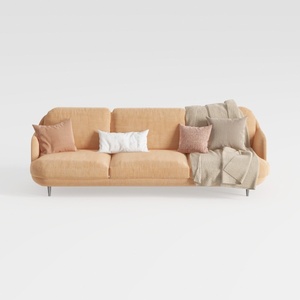

Modern Minimalist Peach Fabric Sofa with Throw Pillows and Blanket 3D Model

Carved Solid Wood Round Side Table Decorative Accent 3D Model

Minimalist Solid Wood Linen Fabric Three Seat Sofa 3D Model
Homestyler is your go-to online home design platform. With its easy-to-use design tool, stunning 3D renderings, inspiring design projects, and helpful video tutorials, you can effortlessly create and visualize your dream space. Perfect for both beginners and seasoned designers!
Дизайн сейчас бесплатно
































