


Having installed numerous home workout walls for various clients and my personal studio, I believe that a well-designed resistance band anchor represents the most compact and versatile strength solution available. This system not only conserves floor space but also ensures that bands are neatly organized while minimizing wear through controlled angles and friction. Achieving this requires a careful balance of structural safety, user ergonomics, and practical behavior; the anchor needs to feel intuitive during use and withstand daily workouts effectively.
Prioritizing safety and comfort is essential. The WELL v2 standard recommends positioning movement equipment at adjustable heights that promote neutral joint alignment, which aids in reducing injury risks. Research on human posture variability by Steelcase indicates that individuals frequently shift their positions, so incorporating a multi-height anchor allows for these micro-adjustments, resulting in greater comfort and better adherence to workouts. Anchors should be situated at three different heights—approximately 18–24 inches (low), 42–48 inches (mid), and 66–72 inches (high)—to accommodate most exercises while maintaining safer shoulder motion ranges. For extensive information on ergonomic principles in movement environments, visit wellcertified.com.
Durability is another critical aspect. Research from Herman Miller indicates that resilient, low-friction interfaces can significantly extend the lifecycle of products used in high-frequency environments; thus, the same logic applies to your anchor installation. Utilizing smooth, rounded clips and properly spaced eye bolts? This minimizes friction on latex bands, thereby enhancing their longevity. Additionally, in compact spaces, the layout and visibility are crucial. If devising a small training corner or a multi-purpose guest-room gym, using a room layout tool helps check for adequate clearances, mirror placements, and door swings before making any installations.
Materials and Tools
Here’s the essential kit I depend on for a clean and safe installation:
Plan the Layout
My process starts with mapping out three anchor heights corresponding to different exercise categories:
Ensure there is at least 16–24 inches of space between anchor points to prevent band overlap and facilitate bilateral exercises. If the wall is in a narrow alcove, consider a vertical stacking approach across a single stud. During your planning phase, use an interior layout planner to check walkways and arcs of exercise movements, ensuring that no doors or lamps will be obstructed:
room layout tool
Find and Confirm Studs
Utilize a stud finder to mark stud centers. In many homes, standard stud spacing is 16 inches, but it’s prudent to confirm this—especially in older buildings where variations exist. A tap-test can help identify resonance in the wall, and a tiny pilot hole will confirm solid wood. Avoid any plumbing or wiring; keep an eye out for nearby electrical boxes and maintain a safe distance; if uncertain, seek assistance from a professional.
Backer Board vs. Direct Mount
While it’s robust to directly mount eye bolts into studs, I often prefer using a 3/4" plywood backer board that spans two studs. This approach distributes the load more evenly, reduces stress in localized areas, and provides flexibility for relocating anchors in the future. Ensure to paint or seal the board to match the room's aesthetic. Secure it with 3 to 4 lag screws per stud, then fasten your eye bolts onto the board as needed.
Drill and Install Hardware
Pre-drill pilot holes that are 1–2 sizes smaller than the lag screws to prevent wood splitting. Keeping a level nearby is essential. I prefer using through-bolt eye bolts with washers and lock nuts if wall access permits; if not, heavy-duty lag eye screws rated for structural integrity are acceptable. Make sure to tighten everything firmly, but avoid compressing the wood fibers. To minimize wear on the bands, consider adding rubber grommets or silicone sleeves in the anchor eye.
Angle, Friction, and Band Longevity
To enhance the lifespan of the bands, it is crucial to reduce sharp bends and lessen abrasive contacts. Align the band path with the direction of the exercise to prevent scraping against paint or hardware. Recessed plates with smooth edges outperform raw eye hooks significantly. Regularly inspect the bands for any micro-tears and replace them at the first indication of cracking, particularly near the anchor point.
Height Calibration and Ergonomics
Setting the mid-anchor height to be roughly aligned with the user's sternum is ideal for presses and anti-rotation drills, while the high-anchor should be just above forehead height for effective face pulls, and the low-anchor should be near knee height for hip-focused exercises. These placements encourage neutral wrist and shoulder angles, thereby diminishing the risk of impingement. The WELL standards promote designs accommodating various intensities and user body types; for settings with multiple users, consider adding more anchors or sliding rails for quick adjustments.
Surface Protection and Acoustics
Consider installing a narrow kick strip or mat below the low anchor to shield walls against accidental band snaps. Soft surface additions like cork panels or acoustic foam near the anchor can help absorb noise generated from carabiners and enhance the acoustic comfort of the space, which is particularly beneficial in shared residences or apartments.
Color and Motivation
Incorporating color psychology can foster greater workout engagement. Warm, energizing hues around the anchor may elevate perceived exertion tolerances, whereas cooler shades in recovery areas can help to lower heart rates. For a simplified aesthetic, maintaining matte black anchors can reduce visual clutter and glare.
Testing and Load Checks
Before commencing full workouts, it is advisable to conduct progressive load tests: begin with gentle rows, followed by stronger pulls, carefully monitoring for any movement or creaking sounds. After 48 hours, retighten everything as wood fibers tend to settle. Monthly inspections of fasteners and the backer board are crucial. A quick torque check using a wrench can ensure all components remain secure.
Safety Notes
It is imperative never to attach bands to drywall without sufficient studs or structural backing. Keep the exercise area free from sharp furniture edges. It might be advantageous to include a mirror opposite the wall to monitor form, but position it outside the primary path of the bands to avoid potential impacts. If there is any uncertainty regarding wall material (plaster, masonry, or steel studs), consult a contractor before proceeding with drilling.
Step-by-Step Summary
Common Exercises by Anchor Height
Exercises for low anchors include hip hinges with band assistance, kneeling rows, ankle mobility movements, and glute kickbacks.
Mid anchors may facilitate Pallof presses, chest presses, standing rows, rotations, and split-stance anti-rotation holds.
For high anchors, barbell variations like lat pulldowns, face pulls, triceps press-downs, and overhead mobility drills are effective.
FAQ
Q1: What types of walls are suitable for installing a resistance band anchor?
A1: Ideal installations are on wood-stud walls using lag screws directly into the studs or a backer board. Masonry walls (brick/concrete) are viable with proper expansion anchors. Avoid using drywall exclusively or steel studs unless correct hardware and professional advice are incorporated.
Q2: What height should I aim for when setting anchors in a household with multiple users?
A2: Establish three fixed heights: low at 18–24 inches, mid at 42–48 inches, and high at 66–72 inches. For users below 5'4" or above 6'2", add an additional point between mid and high. These settings align with the neutral joint positions highlighted within WELL’s Movement guidelines.
Q3: What load ratings should the anchor hardware have?
A3: Select anchors with ratings of at least 300 lbs each. Although bands typically do not reach this force during standard home usage, a higher rating provides an essential safety margin against dynamic loads.
Q4: How can I minimize band wear at the anchor point?
A4: Employ hardware that is smooth and rounded, introduce rubber grommets or sleeves, align the pulling direction with the band path, and avoid sharp angles. Regularly check the bands and retire any showing surface cracks.
Q5: Can I mount a backer board over drywall?
A5: Yes, secure the backer board into studs with lag screws, and then mount the anchor hardware to the board. This distribution of load simplifies future adjustments.
Q6: What spacing should I maintain to prevent band tangling?
A6: A horizontal spacing of 16–24 inches between anchor points is effective. For vertical stacks, maintain 18–24 inches between heights for appropriate bilateral work.
Q7: How can I optimally plan a workout corner in a limited space?
A7: Ensure at least 36 inches of clear floor depth in front of the anchor, check for door swing clearance, and avoid positioning directly behind seating arrangements. Utilizing a layout simulation tool can help visualize movements and traffic flow.
Q8: Are there ergonomic considerations I should keep in mind during use?
A8: It is essential to maintain neutral wrist positions, keep shoulders relaxed and away from the ears, and adjust anchor height so the elbows follow a comfortable path without causing impingement. Modify stance to maintain alignment with the exercise vector.
Q9: How can I control noise during workouts?
A9: Using rubber-backed plates or silicone sleeves on carabiners, along with adding an acoustic panel or rug in the vicinity, can significantly reduce clicks and echoes—useful in apartments or shared living spaces.
Q10: Is the color scheme near the workout wall of any importance?
A10: Subtle accents of warm colors can enhance motivation, while cooler shades aid in recovery. Keeping hardware finishes matte can reduce glare and visual distractions.
Q11: How often should I assess fasteners?
A11: After the initial 48 hours and subsequently on a monthly basis. Variations in temperature and humidity can loosen the hardware slightly, so regular torque checks are crucial for system integrity.
Q12: Are children permitted to use the anchor safely?
A12: Close supervision is critical. Lower the anchor height, utilize lighter bands, and maintain a clear area to prevent recoil injuries. Consider using quick-release carabiners for swift band changes.
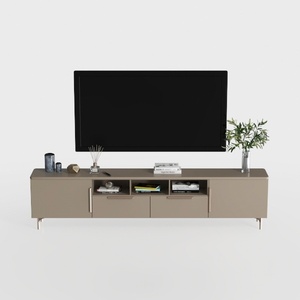
Modern Minimalist Solid Wood TV Stand Cabinet with Storage 3D Model

Minimalist Fabric Upholstered Armchair Cozy Living Room Furniture 3D Model
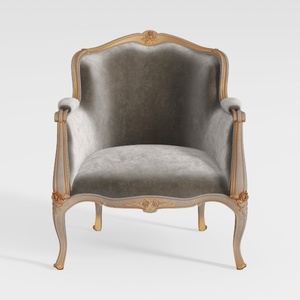

TREATLIFE HOME Enhance Comfort with Formal Luxury
Homestyler is your go-to online home design platform! Featuring an easy-to-use design tool, stunning 3D renderings, and a wealth of design projects and video tutorials, it empowers anyone to transform their living space effortlessly. Unleash your creativity and start designing today!
Дизайн сейчас бесплатно
































