As someone who has crafted numerous compact bedroom designs, I frequently face the bedding challenge: how can I store extra duvets, sheets, and pillows without cluttering the room? The ideal solution lies in a combination of multi-functional furniture, breathable storage options, and a consistent organizing routine. Research from Gensler highlights that effective clutter management enhances perceived comfort and focus by minimizing visual distractions; similarly, Steelcase states that efficient storage lowers cognitive overload and smooths out daily tasks. The WELL v2 standard underscores the importance of regular housekeeping habits and thoughtful material choices, such as low-VOC finishes and sufficient ventilation, contributing to healthier living spaces. This insight directly informs how we choose to store linens and fabrics, emphasizing the utility of tools like Homestyler for planning efficient layouts.
The significance of lighting and ergonomics cannot be overlooked, as they are just as important as spatial volume. The Illuminating Engineering Society recommends task lighting ranges of 300–500 lux to ensure clarity when locating bins and folding sheets, preventing eye strain (according to IES standards). Herman Miller's findings further suggest that environments designed with task clarity can enhance productivity, decreasing fatigue over time. In essence, proper lighting combined with easily accessible and labeled storage solutions enables quicker and more efficient bedding organization while preserving freshness. When considering color and ambiance, Verywell Mind’s research on color psychology indicates that softer tones, such as pastel blues and greens, promote relaxation, encouraging me to maintain a visually calming storage system for a restorative atmosphere.
Breathable Under-Bed Storage Solutions
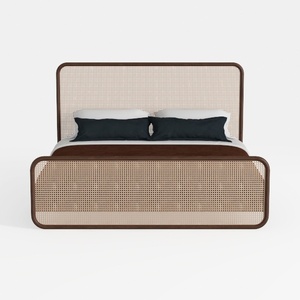
Maximize your storage potential by utilizing the space beneath your bed. Consider platform beds equipped with built-in drawers or those with lift mechanisms for deep, dust-free storage. Alternatively, rolling under-bed storage boxes can be used, preferably with breathable fabric and cedar inserts to manage moisture and ward off pests. It's advisable to keep each container's weight under 45–50 lbs to avoid strain and preserve the integrity of the storage system. I typically organize by season: dedicating one bin for winter duvets, another for summer quilts, and a separate bin for spare pillows.
Headboards and Footboards as Clever Storage Aids
Incorporate storage headboards featuring shallow shelves or concealed lift-up compartments to keep spare pillowcases and cozy throws close yet discreet. Aim for ergonomically reachable shelves positioned at a height of 24–48 inches above the mattress to facilitate easy access. A slender storage trunk at the foot of the bed can double as extra seating; consider gas-lift hinges for soft, safe closure and ensure the base is ventilated for linen circulation.
Efficient Closet Organization: Vertical Solutions
To make the most of tight closet spaces, take advantage of vertical storage options. Introducing a second hanging rail while reserving the top shelf for vacuum-sealed comforters can be highly effective. Using shelf dividers will prevent leaning stacks, and soft bins designed to fit shelf depth help avoid wasted space. For treasured quilts, acid-free boxes are recommended. Label each container on the shorter side for easy visibility upon opening the door. If you're remodeling a closet wall or nook, utilizing a room layout tool, like Homestyler, can assist in testing clearances prior to purchasing any modular components.
Furniture That Serves Multiple Purposes: Benches, Ottomans, and Nightstands
Benches with ample storage space are excellent for stowing away guest bedding. Opt for removable, washable upholstery to control allergens. Storage ottomans are ideal for throw blankets, especially those on casters that won't damage flooring; ensure the interior height is at least 10 inches to accommodate a folded queen sheet set. Nightstands featuring a single drawer and a lower cabinet can effectively store pillow protectors and extra cases—add a cedar block for freshness while allowing sufficient airflow without cramming.
Utilize Wall Niches and Over-Door Spaces for Additional Storage
Synch your space with between-stud wall niches (generally 3.5 inches deep in standard framing) for organizing slim vacuum-bagged items or labeled linen envelopes. Above-door shelving (with a depth of at least 12 inches and secured into wall studs) offers storage that preserves the flow of the room. Opt for doors that incorporate concealed European hinges to maintain a sleek aesthetic with minimal dust accumulation.
Choosing Between Vacuum Bags and Breathable Options
For storage in humid climates or long-term solutions, vacuum-compression bags work well for bulky duvets; however, it’s best to avoid maintaining compression for extended periods to preserve loft. For everyday use, breathable cotton or linen bags with viewing windows help prevent mustiness. A balanced approach involves using compressible bags for off-season bedding while keeping frequently used linens in breathable containers for quick access.
Shelving Strategies: Depth, Height, and Load Management
Aesthetic open shelving can be achieved if proportions are well thought out. For depth, choose 12–14 inches for folded sheets and 16–18 inches for larger duvets. Height should be maintained at 10–12 inches between shelves to avoid overloading and subsequent risks. Ensure heavier items are stored between knee and chest height (approximately 20–50 inches from the floor) for safe lifting. Installing LED strips with color temperatures between 3000–3500K helps create a warm, inviting atmosphere.
Considering Ergonomics and Access Patterns
Position frequently used sheets between waist and shoulder height, while blankets that are used monthly can be stored slightly higher, reserving the top for rare-use items. Full-extension slides on drawers ensure that nothing is lost in the back. In shared spaces, color-coded or fabric-coded bins facilitate quick identification for everyone, including children, minimizing mess.
Cultivating Acoustic and Visual Serenity
Effective storage can contribute to a calm bedroom ambiance. Incorporating soft-close hardware can prevent nighttime disturbances. Fabric fronts and ribbed glass doors can help diffuse visual chaos while maintaining a light visual weight. Opt for materials with low-VOC finishes and breathable baskets that enhance air circulation, aligning with WELL v2 recommendations for textile management and indoor air quality.
Creative Storage Solutions for Small Spaces
Make small adjustments to maximize inches that lead to significant storage gains. Slide the bed slightly off-center by 4–6 inches to make room for a narrow tower cabinet. Installing sconces can free up space on nightstands for folded linens. Consider constructing a ledge wall, 10–12 inches deep, behind the bed to serve as a hybrid headboard and shelf. Make sure to simulate the layout before making any commitments to ensure circulation and drawer access areas are adequate, using tools like Homestyler for layout simulations.
Textile Management: Folding Standards and Sizes
Establish a standardized folding method: I prefer a 10-inch wide fold for queen sheets and 12–14 inches for duvets, allowing for precise alignment with shelf depth. To avoid mix-ups, nest each sheet set within its corresponding pillowcase. Storing sachets with silica or cedar can assist in maintaining freshness, while rotating linens seasonally prevents wrinkles caused by compression.
Utilizing Color Psychology for Tranquil Storage Areas
When organizing open shelves or visible storage areas, limit the color palette to 2–3 tones. Soft grays, muted sages, and warm beiges are recommended as they provide a restful visual impact; research from Verywell Mind demonstrates that these tones foster tranquility, reducing visual overload—especially important in bedrooms. Should you desire vibrancy, reserve those colors for labels or the insides of bins to maintain an overall serene atmosphere.
Enhancing Storage Environments with Proper Lighting
Aim for 300–500 lux at the front of closets or under-bed drawers—motion-activated LED strips emitting 3000K lighting help avoid blue light exposure during nighttime. Lighting fixtures with diffusers are effective in minimizing glare. Bright illumination discourages over-packing as visibility allows you to see how full each area is, promoting a habit of regular airing which keeps bedding in optimal condition.
Implementing Seasonal Management and the One-In, One-Out Guideline
As seasons change, ensure items are washed and completely dried before long-term storage. Adopting a one-in, one-out policy for throws and decorative cushions can effectively prevent accumulation. For those who frequently host guests, consider creating a labeled "guest set" bin containing a complete assortment—such as a fitted sheet, flat sheet, pillowcases, and a mattress protector—to streamline turnover.
Sustainability in Material Choices and Practices
Whenever possible, opt for natural fiber storage bins or cabinetry made from FSC-certified wood. Linen and cotton storage solutions regulate humidity more effectively than plastic alternatives. Should you resort to using plastic, select clear, BPA-free, and perforated options. Using durable hardware and modular systems can extend the lifetime of your storage solutions, ultimately leading to less frequent replacements.
Quick Summary: Essential Strategies
FAQ
With two full-width drawers, typically between 24–30 inches deep, you can generally accommodate two duvets, two sets of sheets, and four pillowcases, assuming the use of breathable bins and moderate compression practices.
In the short term, yes. For extended storage periods, it is advisable to avoid excessive compression to maintain loftiness. Light compression and storing in a cool, dry area, while periodically airing out and fluffing items, is recommended.
Aim for motion-activated LED strips that deliver approximately 300–500 lux at the shelf face, utilizing a warm 3000–3500K light to maintain a restful bedroom setting.
Make sure items are thoroughly dry when storing; utilize breathable linings, incorporate sachets of cedar or charcoal, and leave small gaps or perforations in the base for ventilation.
12–14 inches is ideal for most folded sets without wasting space; allocate 16–18 inches for bulker duvets and blankets.
It’s possible to maintain aesthetics if you manage dust and visual clutter: employ fabric-front bins or ribbed glass doors, maintain a simple color scheme, and schedule regular maintenance with a monthly shake-out and refolding session.
Consolidate all guest-related items in one labeled bin and store it in a trunk at the foot of the bed or on a high closet shelf. Including a compact, washable mattress protector in this bin is also beneficial.
Store items between knee and chest height (approximately 20–50 inches from the floor) to minimize strain. Implement full-extension slides for drawers to avoid unnecessary reaching and twisting.
Choose low-VOC finishes, solid wood or FSC-certified plywood, and natural fiber bins. Breathable cotton or linen bags outperform sealed plastics in terms of humidity control.
Absolutely—utilize skinny towers, over-the-door storage options, and a shallow ledge wall behind the bed. Employ digital planning tools like Homestyler to check clearances before purchasing any fixtures.

Looking to transform your home effortlessly? Homestyler is your go-to online design platform! With its user-friendly design tool, stunning 3D renderings, and a wealth of DIY video tutorials, you can unleash your creativity and bring your dream spaces to life with ease.












![Design [4]](https://hs-designs.homestyler.com/production/design/images/07c2de3a-88ec-4be8-8910-ff255b795bc2/1731419398293/7841697.jpg?x-oss-process=image/resize,w_502,m_mfit/format,webp)